Full Article
about Fuendejalon
Ocultar artículo Leer artículo completo
The thermometer has already nudged thirty-five degrees when the first tractor rattles through Fuendejalón at half-six in the morning, towing a stainless-steel tank that smells of last night’s grape juice. By seven the narrow main street is lined with trailers, their wooden slats still sticky with crushed Garnacha. This is not theatre for tourists; it is simply how a Monday in September starts when your village sits in the middle of Campo de Borja, the Spanish DO that wine writers call the “Empire of Garnacha”.
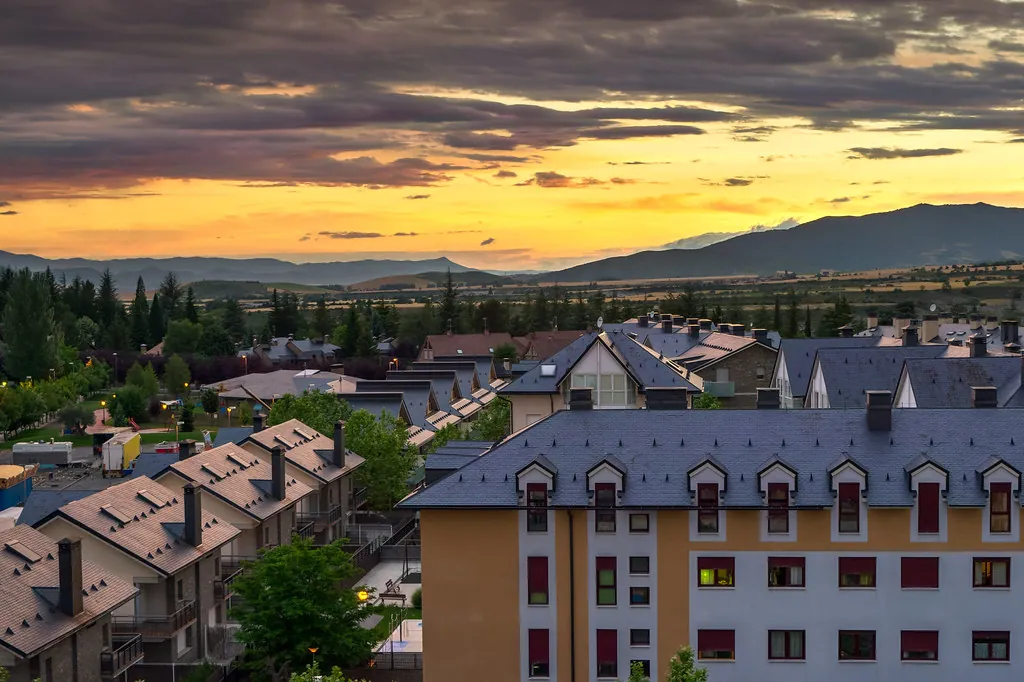
Fuendejalón will never make the cover of a glossy Andalusian brochure. The houses are plain stone and brick, the balconies functional rather than florid, and the only thing that glitters is the sheet-metal roof of the cooperative bodega. What the place does offer is an unfiltered look at how Aragón’s vineyard belt actually works. You can stand beside the weighbridge and watch the day’s harvest being tallied, or follow a laden lorry as it crawls up the hill to the fermentation hall where the air tastes faintly of blackberries and carbon-dioxide. Nobody will shoo you away; at most you’ll get a nod and a “¿Qué tal?” from a driver who has been up since five.
Vineyards First, Everything Else Second
Leave the village on any rough track and within five minutes you are enclosed by vines planted on rolling ochre slopes that resemble the South Downs left out in the sun too long. The soil is poor and stony—perfect stress for bush-vine Garnacha—so the plants are spaced far apart, each one looking like a bonsai olive on steroids. In April the buds are neon green; by late July the canopies have turned a dull, drought-proof khaki. Walkers share the dusty lanes with quad bikes spraying sulphur, and the only shade comes from scattered Aleppo pines that smell of warm resin.
There is no charge for wandering, but carry water: the wind that funnels down the Queiles valley feels like someone left the oven door open. A circular route signed to the ruined ermita de San Pelayo takes ninety minutes and delivers you to a stone bench that looks straight over the Ebro basin. On a clear afternoon you can pick out the blue-grey ridge of the Moncayo, forty kilometres away, and count the tractors crawling like beetles through the vines.
Wine Without the Ribbon Cutting
Serious tasters ring ahead to Bodegas Aragonesas on the outskirts of the village. The cooperative handles forty percent of Campo de Borja’s output, yet the reception room is the size of a village post office. A technician called Marta will pour three vintages of Garnacha straight from the laboratory tap: the entry-level rosy “Don Ramón”, a mid-weight “Fagus” aged six months in American oak, and the inky “Vega del Águila” that retails in Borough Market for £24 but costs €9 if you buy by the crate. Tours are free, though a €5 donation to the local harvest festival kitty is appreciated. The catch? Only Spanish is spoken and groups are capped at eight, so email first thing or you may find the door locked on Monday and Tuesday.
If you prefer the intimacy of a family cellar, drive ten minutes to Bodegas Ruberte in neighbouring Talamantes. Their 1890 stone lagares are still in use, and the current winemaker—fourth-generation—will let you climb the old wooden press provided you mind your head on the low beams. The rosé here is bottled under nitrogen so it keeps its electric pink colour; it travels well in hand luggage if you pad it inside a fleece.
What Passes for a Centre
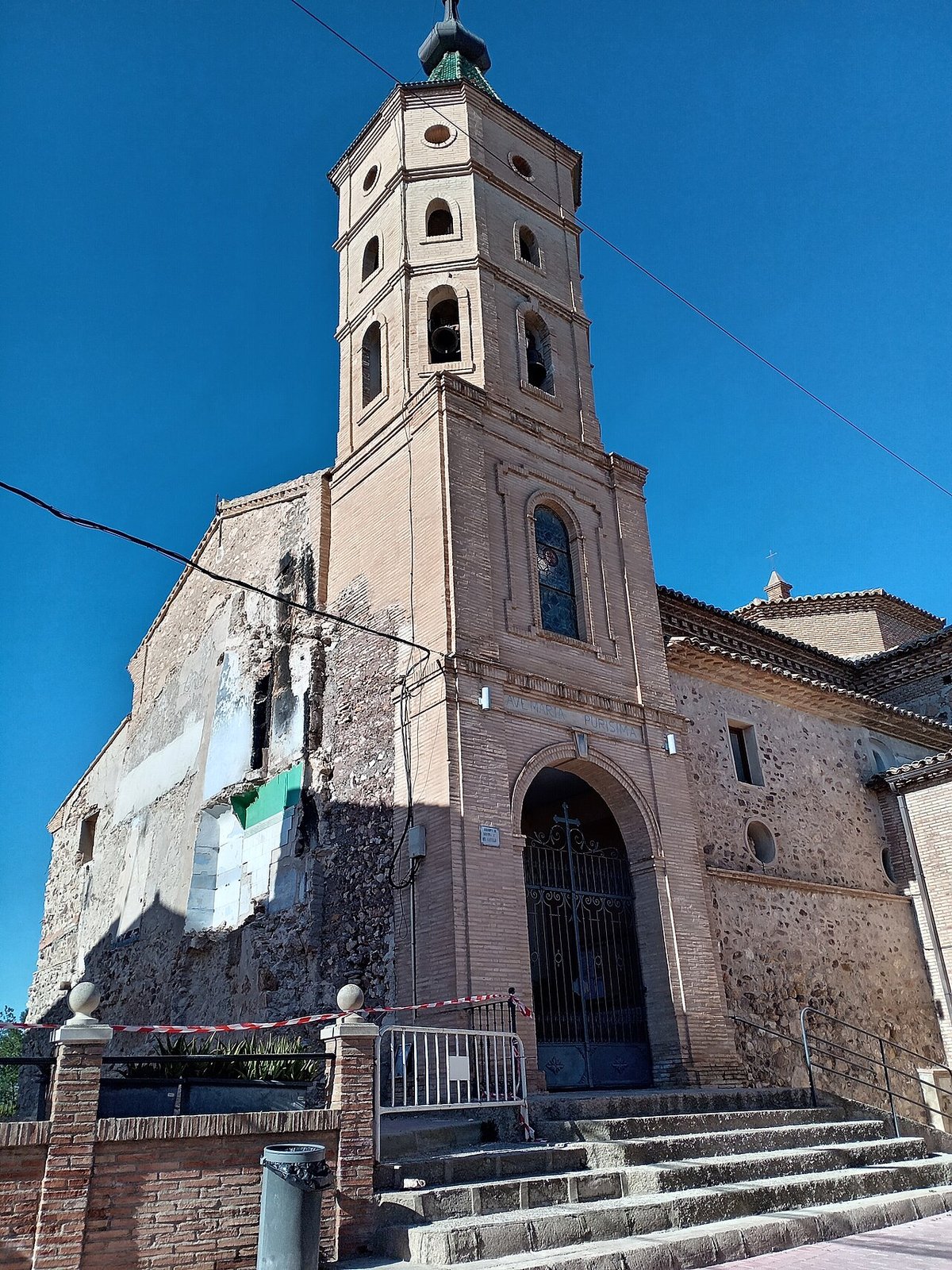
Back in the village the church of La Natividad squats on a small rise, its brick Mudéjar tower more russet than red after five centuries of sun. The nave was given a neo-Classical facelift in 1802, which means the interior is unexpectedly light, all pistachio-green plaster and gold leaf that looks as if it was applied yesterday. Mass is at 11:00 on Sunday; turn up ten minutes early and you can climb the tower with the sacristan, a brisk spiral of 106 steps that ends with a view of plastic-wrapped bales in the surrounding corn fields. He will ask for a €2 “voluntary” which goes towards new gutters.
Below the church the single high street has everything a population of five hundred needs: baker, chemist, bar, and a tiny grocery that doubles as the lottery outlet. Bar Alfil opens at six for coffee and stays open until the last domino falls. Order a cortado and you will be handed a saucer with a thumb-sized pinchito of chorizo; order a second and the saucer becomes a plate. House red comes in a tumbler and costs €1.40. Close your tab before three and you will miss the card school that occupies the corner table until the owner throws them out at midnight.
Eating, or Why You Should Like Lamb
There are no tasting menus, no linen napkins, and absolutely no vegan corners. What you will find is ternasco—milk-fed lamb roasted whole in a wood-fired clay oven until the skin crackles like thin bacon. Saturdays are the reliable day: the asador behind the church lights the oven at dawn and by two o’clock the air smells of rosemary and dripping fat. A quarter-kilo portion with roast potatoes and a slab of local sheep’s cheese costs €14. Arrive before 14:30 or the joint will be sold out to families who have pre-ordered by WhatsApp.
If you are self-catering, stock up in Alagón before you reach the village; the tiny supermarket closes for siesta between 14:00 and 17:00 and shuts completely on Sunday. Buy a bottle of verdejo to go with the lamb; the local co-op makes one even though everyone pretends they only grow red grapes, and at €3.50 it outclasses most London pub house wines.
When to Come, and When to Stay Away
Late April brings a brief, outrageous burst of poppies between the vines and daytime temperatures that sit comfortably at 22 °C. The cooperative starts its bottling line around then, so you can taste last autumn’s wine while the previous vintage is still in tank. By mid-May the wind picks up and photographers in search of dramatic skies outnumber drinkers; accommodation prices stay flat, so you can rent a three-bedroom village house for €90 a night, wood-burner and patchy Wi-Fi included.
August is furnace-hot; thermometers touch 40 °C and the only people outdoors are the harvest crews who start at first light. The village fiestas in early September inject noise and brass bands for five days, but every bed within twenty kilometres is spoken for by May. Unless you enjoy processions that end at 03:00, book elsewhere and visit the vineyards once the crush is finished and the air smells of fresh must.
Winter is quiet, sometimes bleak, but the light is extraordinary—thin and silver, skimming across bare vines that look like charcoal scribbles on brown paper. On 17 January half the province drives in for the blessing of the animals beside the church. Farmers bring mules, hunters bring pointers, and one year a British couple arrived with a rented Labrador who was sprinkled with holy water and given a rosemary sprig for luck. Nobody charged admission; somebody handed round paper cones of aniseed biscuits. It lasted forty minutes, after which the bar reopened and normal Monday resumed.
Getting Here, and Getting Out Again
Fly Ryanair or easyJet to Zaragoza from Stansted or Manchester. Hire cars are parked directly outside the terminal; ignore the hard sell for sat-nav—Google Maps offline works fine. Take the A-68 towards Logroño, exit 22, then follow the N-122 for ten kilometres of empty road that snakes through almond orchards. Total driving time is seventy minutes, half of it on autopilot dual carriageway. Petrol is cheaper at the supermarket pumps in Alagón than on the airport forecourt.
There is no railway; the closest station is at Tudela, twenty-five kilometres north-east, and a taxi from there will set you back €35. Buses exist but they are school services that leave you on the main road with a two-kilometre hike. In short, if you can’t face driving, pick a different village.
Leave room in the boot for wine. The cooperative will sell you a twelve-bottle mixed case for €42, and they have cardboard dividers that fit exactly into a Fiesta-sized hatchback. Declare it at customs if you must, though the green channel at Zaragoza is usually a nod and a wave. Just remember to keep the receipt—Spanish excise stickers have a habit of falling off in British luggage carousels.
Fuendejalón will not change your life, but it might recalibrate what you expect from Spanish wine country: no gift shops, no flamenco nights, simply the smell of fermenting grapes and the sound of a village that still clocks on at sunrise. Bring walking shoes, a corkscrew and enough Spanish to say “otra copa, por favor”. That is really all the itinerary you need.