Full Article
about Fuentes Calientes
Ocultar artículo Leer artículo completo
A Village That Keeps Its Name Secret
The first thing to understand about Fuentes Calientes is that the water isn't hot. Despite what the name suggests to anyone with basic Spanish, these springs bubble up from the ground at a temperature that makes British tap water feel tropical. The 'hot' refers to centuries-old claims about medicinal properties, not actual heat—a distinction that disappoints approximately half the visitors who arrive expecting to soak.
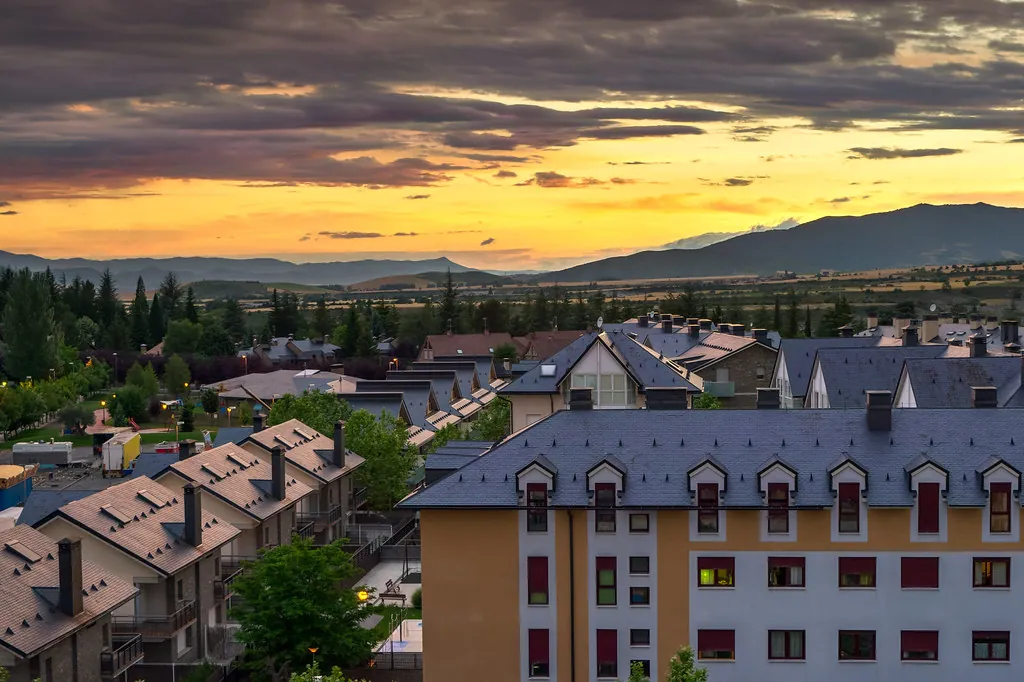
At 1,209 metres above sea level, this miniature settlement in southern Aragon operates on a different timescale to the rest of Spain. The hundred-odd registered inhabitants include many who only appear at weekends or during summer holidays, leaving rows of stone houses shuttered against weather that can turn vicious in minutes. It's the sort of place where you might park, wander about for twenty minutes wondering where everyone is, then discover the entire population clustered in the single bar discussing rainfall statistics.
What You'll Actually Find
The village proper takes roughly fifteen minutes to walk across, assuming you don't get distracted by the sound of running water. Every few metres, small springs emerge from the ground—some channelled into stone troughs where locals still fill plastic containers, others left to create patches of unexpected green in otherwise dry terrain. The parish church squats in the centre, practical and unadorned, its bell tower useful primarily for orientation rather than architectural admiration.
The springs themselves require attention to notice. There's no spa, no gift shop selling miniature bottles, no interpretation centre with interactive displays. Instead, you'll find abrevaderos—animal drinking troughs—where water flows constantly, creating miniature ecosystems of moss and ferns that survive the brutal temperature swings. The old water-mill upstream from the village still functions sporadically, its stone channel directing water with a precision that modern engineering might envy.
The surrounding landscape rolls rather than soars. Pine forests mix with dry-farming plots, and the hills rise gently enough that you might convince yourself a walk to the next village looks easy—until you factor in the altitude, the wind, and the complete absence of shelter. On clear days, the views stretch across the Teruel plains with a clarity that makes distance deceptive; what appears a short stroll might actually involve several hours of steady climbing.
The Practical Reality Check
Getting here requires commitment. From Teruel, it's 46 kilometres of good but winding roads, the last stretch narrow enough that meeting a tractor involves delicate negotiation. In winter, add ice, occasional snowdrifts, and the distinct possibility that the only other vehicle you'll see belongs to someone who'll remember your number plate for months. Summer brings different challenges: the road melts in patches, and the single bar becomes the social hub for everyone within a twenty-kilometre radius.
There's no ATM, no petrol station, no supermarket. The nearest proper shop sits twenty minutes drive away in Gea de Albarracín, which also happens to be where you'll find the nearest pharmacy. Mobile phone coverage surprises everyone—Movistar provides reliable 4G, though you'll need to stand in specific spots, usually somewhere embarrassingly public, to achieve full signal. Wi-Fi exists exclusively in Los Quiñones bar, password available with the purchase of anything from a coffee to a full meal.
Speaking of which, the bar serves as village centre, information point, and unofficial mayor's office. The menu del día costs around €12 and features whatever's available—usually ternasco (young Aragonese lamb) or grilled chops, with chips inevitably appearing regardless of what you actually ordered. They'll accommodate fussy children with plain omelettes, and sell local honey in unmarked jars that taste of whatever happened to be flowering when the bees were working. It's not sophisticated, but after a morning walking the surrounding tracks, it tastes like proper food.
When to Bother
Spring and autumn provide the sweet spot. Temperatures hover at levels where you can walk without either hypothermia or heatstroke, and the landscape actually bothers to change colour rather than remaining resolutely brown. April brings wildflowers to the higher meadows; October turns the surrounding forests into something approaching picturesque, though locals would roll their eyes at such fancy descriptions.
Summer means the return of the weekenders—families from Valencia or Zaragoza who've owned village houses for generations. Suddenly the place feels almost busy, children play in the square until midnight, and you might actually have to wait for a table at Los Quiñones. The spring-fed swimming spot below the mill becomes bearable, though it never approaches what anyone would call warm. Take water shoes; the bottom's stony and small harmless snakes occasionally dart past, causing disproportionate panic among urban visitors.
Winter strips everything back. Snow isn't guaranteed but when it comes, the village transforms into something approaching isolation. The handful of permanent residents fire up their wood-burning stoves, the smell of smoke hangs permanently in the air, and the silence becomes almost overwhelming. It's beautiful in the way that places completely unsuitable for human habitation can be beautiful—briefly, and from within a very warm coat.
The Honest Assessment
Fuentes Calientes works as a stop rather than a destination. Budget half a day to wander the village tracks, swim in the mill pool if you're feeling brave, eat lamb at Los Quiñones, and stock up on honey. Stay longer and you might find yourself embroiled in lengthy discussions about rainfall patterns, or recruited to help move someone's donkeys to higher ground.
The stars, admittedly, are extraordinary. With no street lighting and minimal light pollution, the night sky delivers a show that most British people haven't seen since childhood. Sit outside on a clear evening and you'll hear nothing but water flowing, wind moving through pine needles, and the occasional vehicle negotiating the road to Gea. It's profoundly peaceful, assuming peace is what you're after.
Just don't arrive expecting hot springs, luxury accommodation, or even basic tourist infrastructure. The village offers silence, cold water, decent lamb, and a glimpse of rural Spanish life that tourism hasn't quite reached—which, depending on your perspective, is either exactly what you wanted or a complete waste of petrol.