Full Article
about Fuentes de Rubielos
Ocultar artículo Leer artículo completo
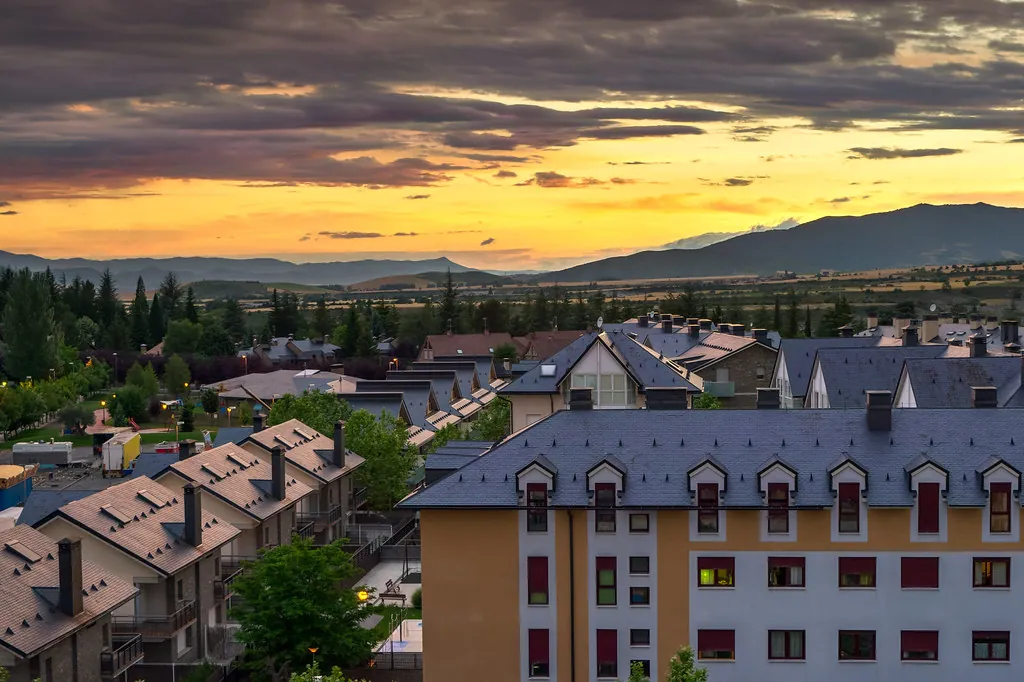
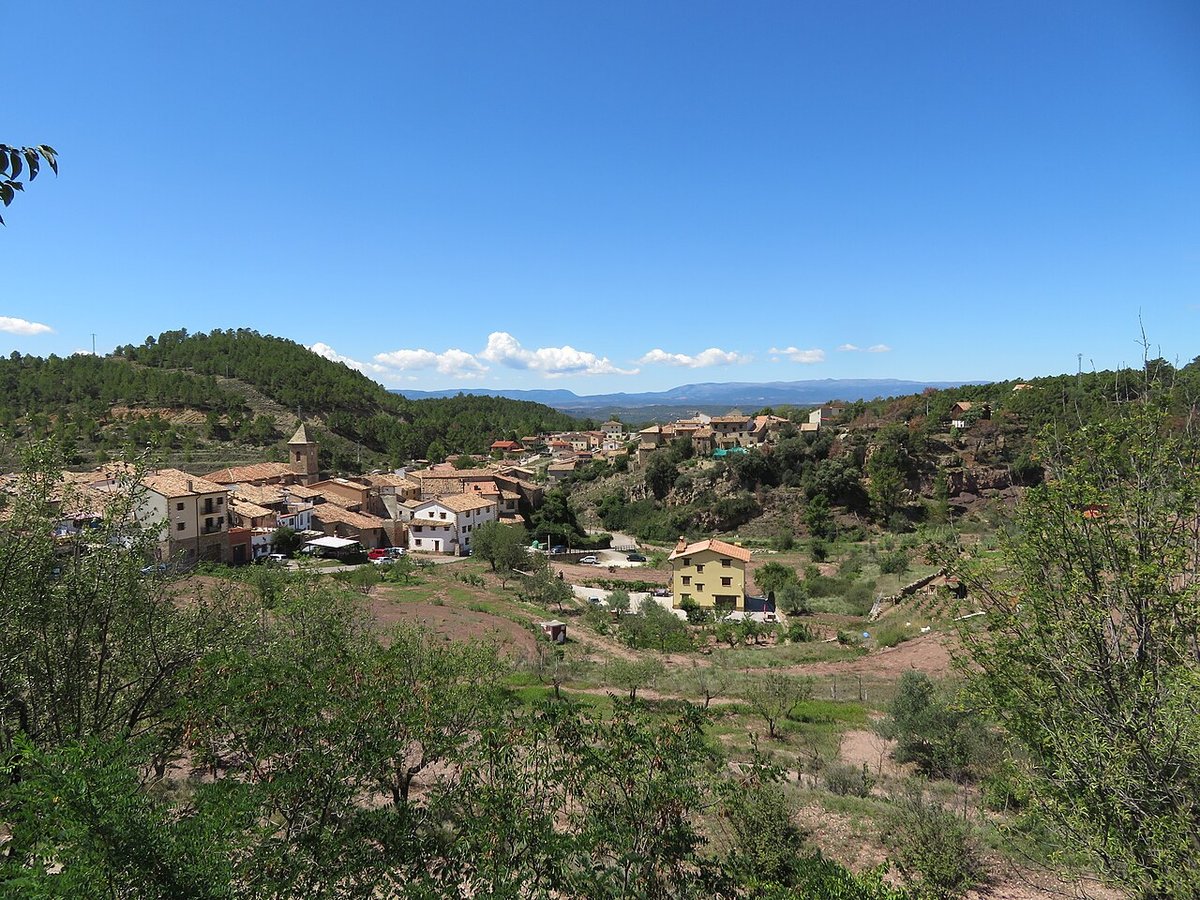
The church bell strikes noon and nobody stirs. A farmer leads two chestnut mules along the only asphalt road; their hooves clop once, twice, then fade into the pines. At 962 m above sea-level, Fuentes de Rubielos feels suspended somewhere between the 21st century and the moment its stone houses were first mortared together. Population 127 on the register, rather fewer in winter, and the loudest noise is usually the wind combing through the laricio pines that quilt the ridges above town.
Stone, Silence and Sunday Lunch
Compact enough to cross in five minutes, the village nevertheless rewards dawdlers. Masonry walls the colour of burnt cream rise straight from the lane, cornerstones jutting like book spines. Wooden granary doors—tall enough for a hay cart—stand ajar, revealing tractors polished by use rather than nostalgia. There is no ticket booth, no interpretation centre, no craft shop selling fridge magnets. The single bar-cum-restaurant, Mesón L’Abadía, only opens its grill on Friday, Saturday and Sunday; arrive early and you will still queue behind locals swapping truffle prices and rainfall figures.
Order the menú del día (€25, cash only) and the waiter brings a bowl of migas—fried breadcrumbs riddled with grapes and thick bacon—followed by truffled cannelloni so mild even timid British palates relax. House wine is from Valencia, an hour east by car but a climatic world away. Pudding is either yoghurt or a wobbling crème-caramel; comfort food, Spanish-style.
Walking into the Reservoir of Sound
Tracks leave the upper edge of the village as if embarrassed by their own simplicity. No pay-and-display car parks, just a cattle grid and a wooden fingerpost scratched with fading paint: Ermita de Santa Isabel 3 km. The path follows an irrigation ditch between abandoned almond terraces, climbs gently through holm-oak shade, then pops out onto a bare skyline. Suddenly the province of Teruel rolls away in every direction—a frozen sea of khaki ridges stitched together by electricity pylons. Kites and booted eagles ride the thermals; their shadows slide across the undergrowth like black gloves.
The hermitage itself is a roofless 16th-century shell, but the stone bench outside makes an ideal picnic spot. From here you can drop into the barranco of El Morrón, where shallow pools gather under red sandstone cliffs. In high summer Valencian families appear with lilos and cool boxes; by 5 p.m. they have driven back to the coast and the water reverts to dragonflies.
Mountain-bikers also use the web of forest tracks, though surfaces vary. Expect firm gravel one minute, fist-sized rocks the next. Gradients rarely bite, yet the cumulative ascent adds up: a 25-km loop east to the abandoned hamlet of Gúdar and back will register 600 m of climb—enough to justify an extra portion of ham on return.
Four Seasons, Four Colours
Spring arrives late at this altitude. Cherry orchards around the neighbouring village of Mora de Rubielos erupt in white blossom during April, while nights remain cold enough for hot water bottles. May and June bring a neon-green shock to the pine plantations and the arrival of wild asparagus; villagers stalk the verges with carrier bags and paring knives.
July and August are dry but rarely stifling. Daytime temperatures hover around 28 °C, then tumble after dark; bring a fleece even in August. This is when the fiesta mayor fills the single street with brass bands and improvised bar counters. Book accommodation a year ahead or time your visit for the week before, when the weather is still benign but rooms in family-run casas rurales drop to €70 a night.
Autumn is truffle season. Black winter tuber melanosporum fetches €900 a kilo in the Teruel market, so do not expect locals to reveal their favourite groves. You are welcome, however, to join the mushroom route in October—an escorted walk that ends with a tasting of scrambled eggs laced with shaved truffle and a glass of garnacha from nearby Calamocha.
Snow comes sporadically between December and March. When it does, the final 15 km of mountain road from the A-23 can require chains. The upside is utter silence and a sky so clear you can read by starlight. One guesthouse keeps a small wood-stove library; guests swap Jack Reacher paperbacks while snow drifts against the 300-year-old door.
Euros, Engines and Expectations
Practicalities are straightforward but non-negotiable. There is no cash machine; the nearest ATM is 6 km downhill in Rubielos de Mora, itself hardly a metropolis. Most bars are cash-only, so fill your wallet before you leave the airport. Shops shut by 2 p.m. and all day Sunday; stock up on baguette, cheese and choricillo sausages if you plan a self-catered walk.
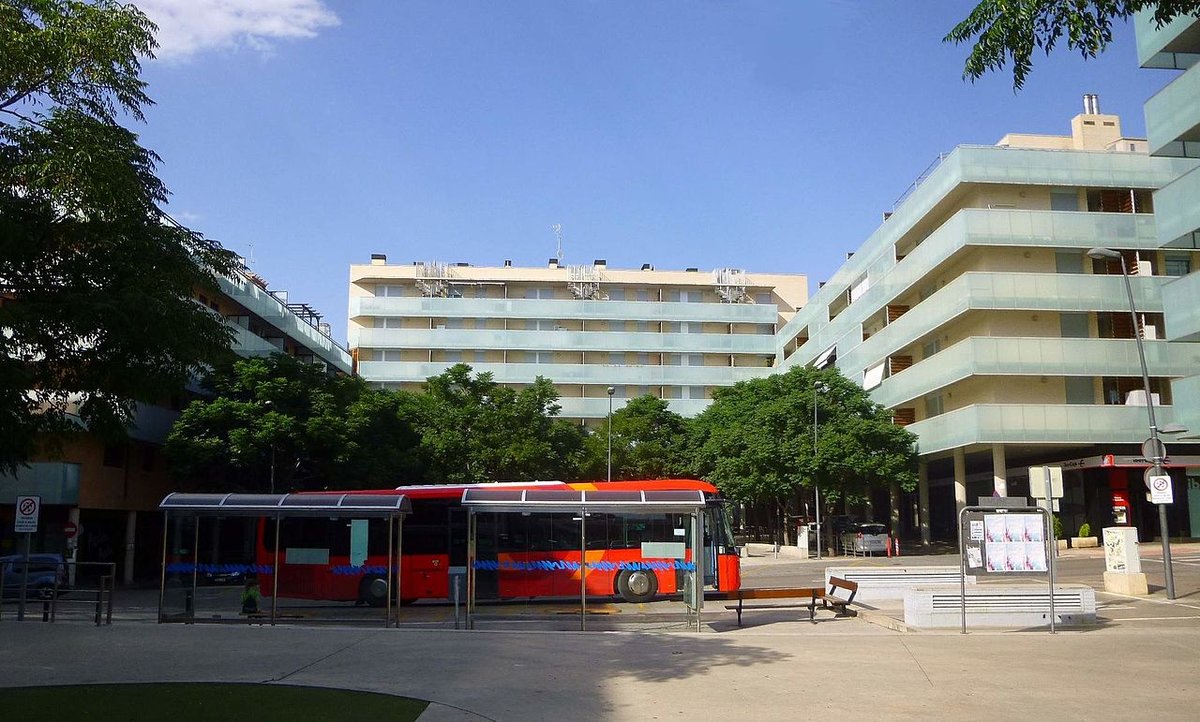
Public transport is skeletal. A bus leaves Teruel at 07:45 and returns at 14:00; miss it and you are hitch-hiking through pine forest. A hire car is almost mandatory. From Valencia airport the drive takes two-and-a-half hours, the last forty minutes on snaking CV-20 and TE-62. Fill the tank in Teruel—mountain petrol stations close early and charge a premium.
Phone signal is patchy on UK networks. Download offline maps, or better, buy the 1:40,000 Adrados hiking sheet from the Instituto Geográfico Nacional in Madrid before you fly. Way-marking has improved, yet Spanish signage assumes you know what a coto privado de caza means; step through the wrong gate and you may meet a man with a rifle and a persuasive dog.
The Unquantified Extra
What Fuentes de Rubielos offers is not a checklist of sights but a dilution of hurry. The absence of souvenir stalls is not a marketing ploy; it is simply what happens when a place refuses to rebrand itself as a destination. You will leave with calf muscles pleasantly stiff, the scent of pine resin in your hair and the memory of a night sky so dark that Orion seems back-lit. The village does not sell itself, and that, for once, feels like value for money.