Full Article
about Galve
Ocultar artículo Leer artículo completo
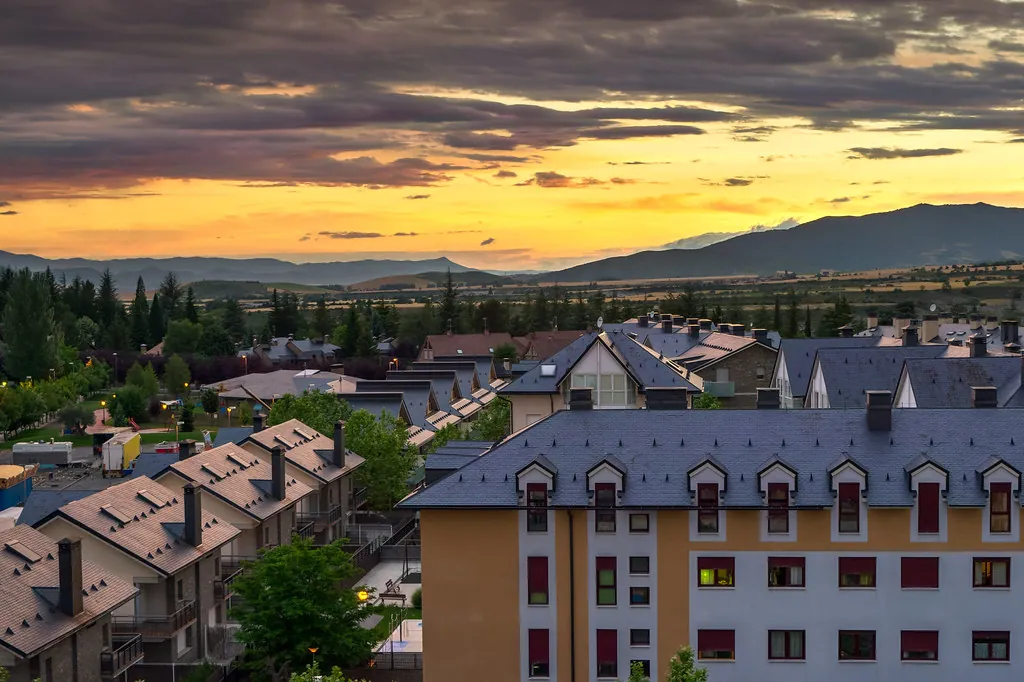
The first thing you notice is the quiet. Not the hushed, cathedral quiet of a museum, but the absolute, wind-through-pine silence of a place where 144 people live scattered across a mountainside. Galve sits at 1,188 metres in southern Aragon, and even in August the air carries a sharp edge that sends you reaching for a jumper once the sun drops behind the Jurassic cliffs.
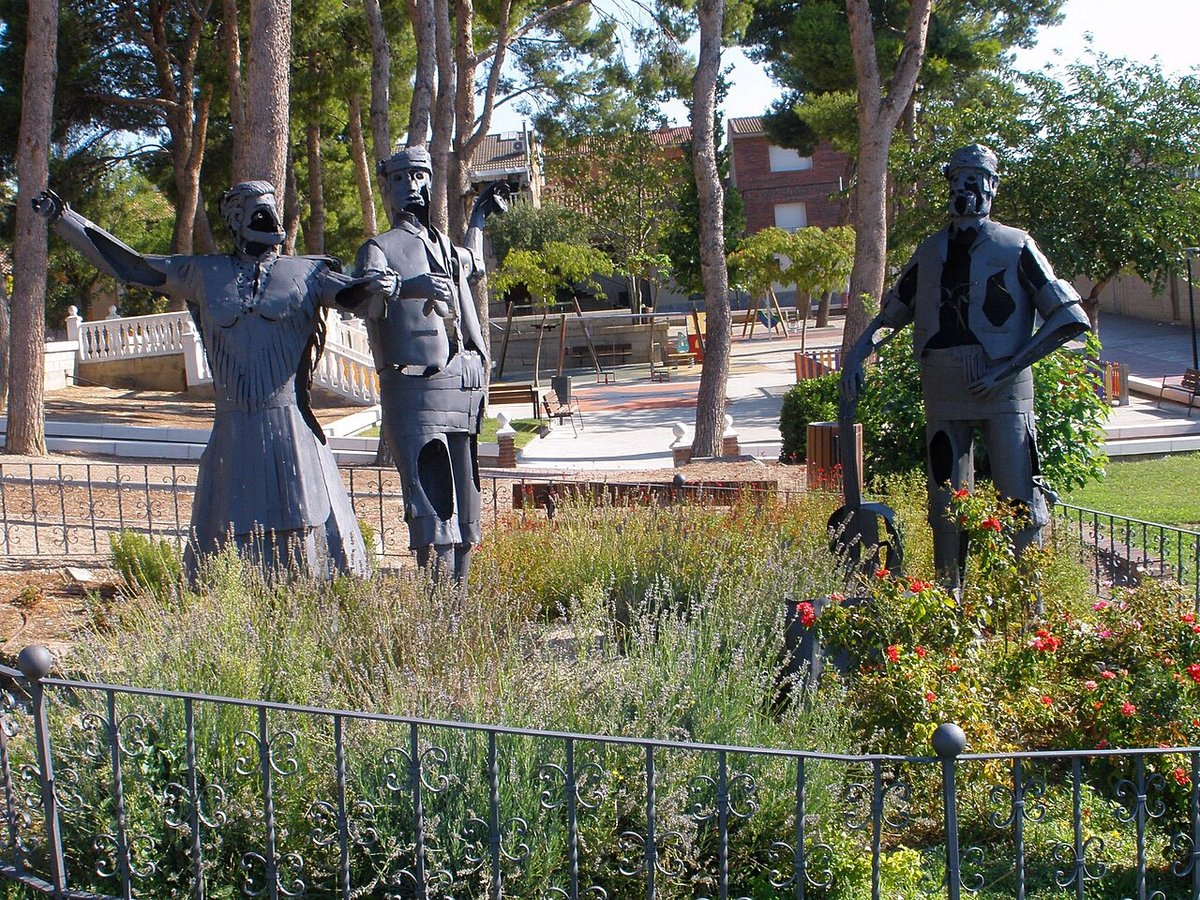
Those cliffs are why anyone stops at all. Two hundred million years ago this was a coastal plain where sauropods left footprints that turned to stone. Today the footprints sit in open country, the rock peeled back like pages of a pop-up book. A short walking trail—stony, unshaded, no facilities—links six cast-metal dinosaurs that stand where their ancestors once walked. Children sprint ahead to pose with a three-metre theropod; parents read the Spanish-only panels and guess the rest. There is no ticket office, just a wooden gate you push open. Opening times are painted on a metal sheet: Tuesday to Sunday, 10-14:00 and 16-18:00. On Mondays the dinosaurs stare at an empty car park.
The village itself spreads along a ridge one street wide. Houses are built from the mountain they sit on: honey-coloured limestone walls, Arabic tiles weathered to rust, tiny windows set deep against winter cold. Many are second homes, locked ten months of the year; the permanent neighbours keep dogs that bark once, then lose interest. At the lower end of the ridge a single bar does duty as café, shop and social club. It opens when the owner feels like it—usually mid-morning, sometimes evenings, rarely both on the same day. Stock up in Teruel before you leave; the last supermarket is 58 kilometres away and the road climbs fast once you leave the A-23.
Walking through deep time
The fossil trail begins behind the church, a brick-and-mudéjar tower that looks older than the houses around it but isn’t. Follow the yellow dashes painted on limestone blocks; they lead uphill past abandoned threshing circles where wheat once met flail. After ten minutes the path tilts onto bare rock patterned with ripple marks and, if you know where to look, the almond-shaped prints of a sauropod pacing across ancient mud. No ropes, no glass cases—just stone and a small metal tag that reads "Icitas de dinosaurio". Bring water: the only tap is back in the plaza and the route loops for three kilometres without shade.
Side tracks drop into pine and juniper woods where wild rosemary scents the air. These are working forests: log piles appear overnight, and locals in battered 4×4s still collect mushrooms in October when the first rains soften the ground. None of the paths are difficult, but trainers aren’t enough; the limestone chips underfoot and the gradients are sneaky. Expect to meet no one except the occasional German couple with binoculars—Galve sits on a migration flyway and golden eagles use the thermals above the cliffs.
What passes for lunch
When the bar is open order migas del pastor, a plate of fried breadcrumbs laced with bacon and grapes that tastes like savoury bread pudding. The local lamb, ternasco de Aragón, is roasted whole joints in a wood-fired oven until the skin crackles; the meat is mild, closer to Welsh spring lamb than anything Mediterranean. Teruel ham comes sliced translucently thin, sweeter than Parma and an easy gateway drug for anyone suspicious of Spanish jamón. To drink, try the house red from Calatayud—heavy on Garnacha, light on wallet—served in short tumblers at cellar temperature. If the bar is shut, your picnic will be the only option; there are no other restaurants, no takeaway pizzas, not even a vending machine.
When the wind turns cold
Above 1,000 metres the seasons arrive early. Frost can catch you in late October; by December the road from the A-23 is salted and the handful of village lights glow yellow against snow. Winter weekends bring day-trippers with sledges, but by five o’clock silence reclaims the streets. Summer, on the other hand, is a revelation. While Valencia swelters 150 kilometres away, Galve tops out at 28 °C and the nights drop to 15 °C. August fiestas see the population quadruple: emigrants return from Zaragoza and Barcelona, a sound system appears in the plaza, and the church bell rings until dawn. For three days the village feels almost busy. By the second week of August it is empty again.
Spring and early autumn are the sweet spots. In April wild tulips push through the wheat stubble and the cliffs echo with bee-eaters. Late September brings soft light and the first wood smoke; vineyards on the lower slopes turn amber, and you can walk the fossil trail without meeting another soul. Mobile signal is patchy even then—download offline maps before you leave the motorway.
Beds for the night
Most visitors treat Galve as a detour between Teruel and the coast, but if you want to stay, choices are limited. Casa Rural La Yedra hangs on the edge of the cliff with three bedrooms and a telescope for star-gazing; previous British guests rate it five stars for “views to die for” and “absolute silence after ten”. Apartamentos Galve offers simpler self-catering flats opposite the palaeontology gate—clean, cheap, with kitchens that actually work. Both need advance booking; neither has a reception desk. The nearest hotel is back in Teruel, an hour’s drive on twisting roads that ice over in winter.
The honesty clause
Come here expecting postcard Spain and you will leave within an hour. There are no souvenir shops, no flamenco bars, no whitewashed alleys spilling with bougainvillea. Interpretation is almost all in Spanish, the dinosaurs are fibreglass, and the only espresso comes from a machine that grudgingly hisses inside the bar—when it’s open. What Galve offers instead is space, altitude and a geology lesson you can walk across in under half a day. Bring boots, a full water bottle and the expectation of quiet. The cliffs will do the rest.