Full Article
about Gargallo
Ocultar artículo Leer artículo completo
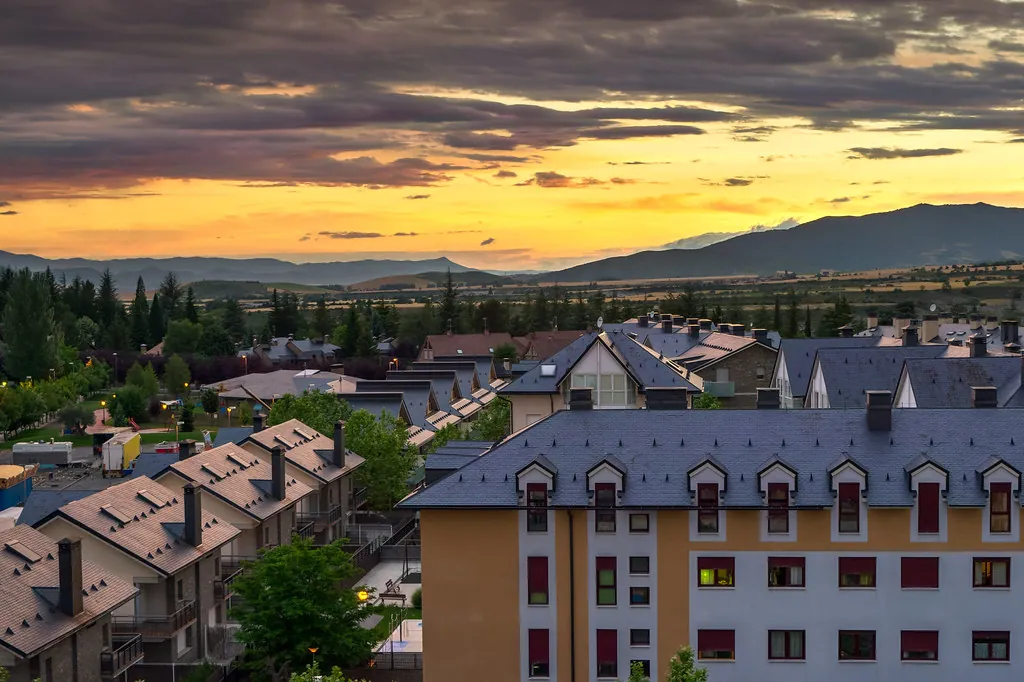
The silence hits first. Not the muffled quiet of countryside Britain, but a proper, ear-ringing hush broken only by the church bell striking every half-hour. At 941 metres up the Sierra de Arcos, Gargallo's 100-odd residents live with the kind of quiet most of us pay spa retreats to find. Mobile signal drops to one bar if the wind's wrong. Light pollution's non-existent—on clear nights the Milky Way looks close enough to touch.
This is Spain's interior stripped of flamenco and sangria clichés. Stone houses shoulder against each other along lanes barely wide enough for a Fiesta. There's no petrol station, no cash machine, and certainly no souvenir shop flogging fridge magnets. What you get instead is a working village where sheep still outnumber people and the bakery van toots its horn on Tuesday mornings because that's when bread arrives.
Stone, Slopes and Shepherds
Gargallo clings to a ridge like it grew there. The houses—proper Aragonese masonry with Arabic tiles and timber balconies—follow the slope so faithfully that walking from one end to the other feels like climbing a gentle StairMaster. San Pedro church squats at the top, its mismatched towers showing where 16th-century builders ran out of money and 18th-century ones tried again. Inside it's cool, plain, scented with beeswax and old incense. No audio guides, no gift shop, just a noticeboard listing the three villagers who died this year.
Wander downhill and the lanes narrow further. Doorways shrink to human size—people were smaller when these houses went up. Here and there a stone lintel carries a carved date: 1734, 1812, one optimistic 1928. Most homes still have the original feeding troughs built into the ground floor; tractors arrived too late to bother removing them. A ginger cat sleeps on a windowsill; washing flaps between iron balconies. It could be 1950, except for the satellite dish poking from one roof like a rude gesture.
Where the Maps Run Out
The real draw starts where the tarmac ends. Tracks heading north-east wriggle into pine and holm-oak forest that carpets the Sierra de Arcos. These aren't way-marked National Trust paths with car parks and ice-cream vans. They're old mule trails used by shepherds, logging trucks and, occasionally, lost Brits whose sat-navs promised a shortcut to Teruel.
Walk ten minutes and Gargallo shrinks to a russet smudge among the hills. Another twenty and you're alone with boot-sucking clay, jays arguing in the canopy and the odd clatter of a bell-wearing sheep. Autumn turns the whole hillside copper and rust; spring brings wild thyme and tiny, furiously pink peonies. Griffon vultures circle overhead—big enough to mistake for hang-gliders if you squint.
Serious walkers should print a proper map first. Mobile GPS throws a wobbly in the deeper valleys, and signposts are intermittent to the point of comedy. A circular route to the abandoned hamlet of Las Planas takes three hours, crosses two fords and ends with a thigh-burning climb back to the village bar. Reward comes in the form of a €2 caña and the realisation that you've seen precisely no other humans since setting off.
One Bar, One Menu, No Choice
That bar—simply called Bar Gargallo—opens at seven for the farmers and shuts when the last drinker leaves. Inside it's all Formica and hunting trophies, television muttering in the corner. The menu reads like a love letter to cholesterol: migas (fried breadcrumbs laced with bacon), ternasco asado (milk-fed Aragonese lamb that tastes like the best Sunday joint you ever had) and almond cake dense enough to stun a bishop. They'll do a vegetarian tortilla if you ask nicely, but expect raised eyebrows.
Mealtimes are non-negotiable. Lunch finishes at 3.30 sharp; dinner starts at nine. Turn up outside those hours and you'll get crisps and a lecture about Spanish digestive rhythms. Sunday lunchtime everything closes—yes, everything—so stock up on water and embarrassment if you forgot to book.
When to Brave It (and When Not To)
April and late-September gift warm days, cool nights and a reasonable chance of not freezing to death. In May the hillsides explode with poppies; October smells of mushrooms and woodsmoke. July and August are brutal—temperatures nudge 38 °C by noon and the stone houses radiate heat like pizza ovens well past midnight. Only one guest-house offers air-conditioning; if it's full you'll be sleeping on the roof terrace with the locals.
Winter brings proper mountain weather. The TE-V-9011 access road gets gritted, but snow can still trap the unwary. On the plus side you might have the entire village to yourself, and the sight of Gargallo's roofs dusted white against a cobalt sky is worth the risk of wearing every item of clothing you packed.
Getting Here Without Tears
No train, no bus, no Uber. Fly Ryanair from Stansted to Zaragoza (two hours), pick up a hire car and aim for the A-23 Valencia road. Exit at junction 210, follow the N-234 towards Teruel, then peel off onto the TE-V-9011. The last twelve kilometres twist through limestone gorges wide enough for one-and-a-half Fiats; pray you don't meet a lorry. Fill the tank at the Repsol in Ojos Negros beforehand—Gargallo hasn't seen a petrol pump since the seventies.
Accommodation is limited to three village houses converted into casas rurales. Casa Rural La Parada del Collado has thick stone walls, a log burner and a roof terrace that stares straight into the stars. It sleeps six from €90 a night, but there's no reception desk; ring half an hour before arrival and someone will cycle over with the key. Bring cash—cards make the owner nervous and the nearest ATM is a 35-minute drive to Albarracín.
The Honest Verdict
Gargallo won't change your life. It offers no epiphanies, no Instagram moments beyond the obvious pretty-street snapshot. What it does give is a glimpse of Spain before tourism, before Brexit, before noise. If that sounds boring, stay on the coast. If it sounds like a relief, pack walking boots and a sense of temporal dislocation. Just remember to be gone by Sunday afternoon—the bar owner wants his siesta, and the village gate doesn't swing both ways.