Full Article
about Godojos
Ocultar artículo Leer artículo completo
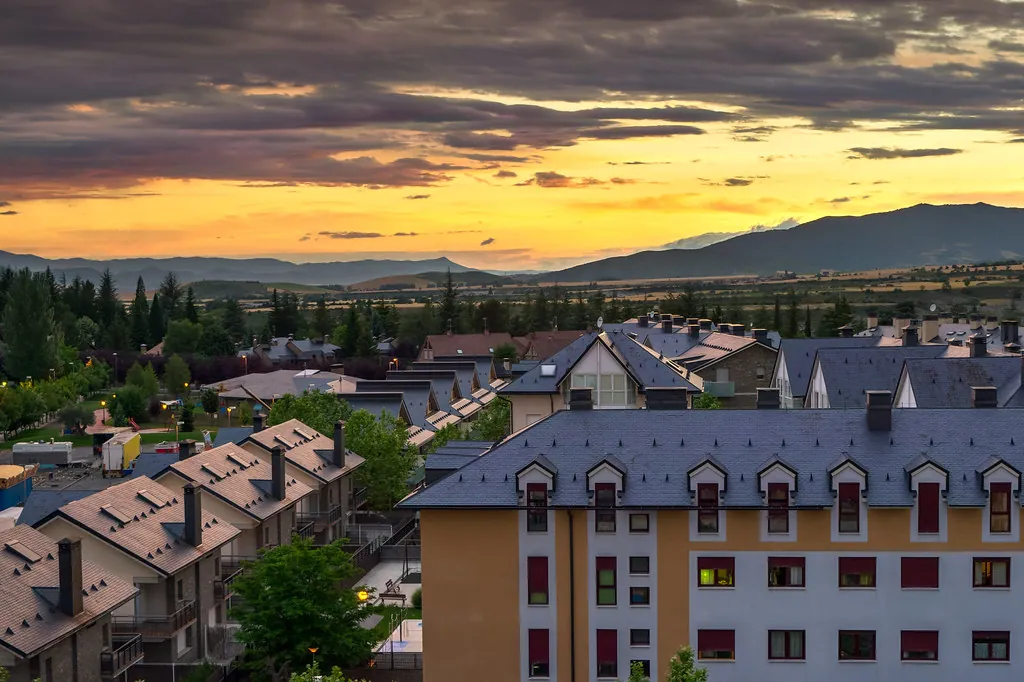
The church bell in Godojos strikes noon, and the sound carries across vineyards that stretch to every horizon. At 787 metres above sea level, this scatter of stone houses sits high enough that the air feels thinner, cleaner—like someone's turned down the volume on the rest of the world. Fifty-five residents remain here, give or take, and they've learned to read the weather in the colour of the vines: silver-green means heat coming, amber means harvest time, brown means winter's settled in.
The Arithmetic of Smallness
Three streets. One bar. A church whose tower serves as both compass point and timekeeper. Godojos distils the essence of Aragonese village life into its most concentrated form—no souvenir shops, no interpretive centres, just houses that have been houses since the 1700s and fields that have been fields since before anyone kept count. The stone walls are thick enough to swallow mobile phone signals; when locals say "I'll meet you at the church," they mean it, because there's nowhere else to go.
The houses follow a logic that predates architects. Lower floors for animals, middle floors for people, upper floors for grain. Adobe walls two feet thick keep interiors at 19°C whether it's 35°C outside in August or -5°C in January. Windows face south-east, catching morning sun while avoiding the brutal afternoon heat that turns the surrounding plateau into a clay oven each summer. It's climate control without technology—just physics and patience.
Wine, Wheat, and the Spaces Between
The DO Calatayud starts at the village boundary. Garnacha vines here grow on bush-trained stocks that look like small trees, their trunks thick as a man's thigh from decades of surviving on 300mm annual rainfall. Walk the farm tracks at dawn and you'll see why this works: dew collects on the leaves, gravity pulls moisture to the roots, and the poor slate soil stresses the grapes into intensity. Bodegas in the valley below pay premium for fruit from these high vineyards—something about altitude and diurnal temperature variation that wine writers love to analyse.
Between the vine rows, wheat and barley alternate years. Golden stubble in July gives way to green shoots by November, creating a patchwork that changes faster than English weather. The harvesters leave two-metre-wide headlands—refuges for partridge and hare, bargaining chips with the hunting clubs who pay farmers for shooting rights. It's ecosystem management by spreadsheet: every creature accounted for in the profit column somewhere.
Walking the Arithmetic of Silence
Serious hiking starts where the tarmac ends. The GR-90 long-distance trail passes three kilometres south of Godojos, but local paths offer better solitude. Follow the track past the last farmhouse, past the abandoned threshing circle, and you're into proper emptiness. Forty-five minutes brings you to the Ermita de la Soledad—more ruin than hermitage now, but the stone bench outside provides views across five kilometres of uninterrupted vineyard. Bring water. Bring food. There's no café coming to rescue you here.
Cyclists discover quickly that "flat" is relative on the Meseta. The road to Paracuellos de la Ribera drops 400 metres in eight kilometres—manageable going down, purgatory coming back up. Gravel bikes work best; road bikes hate the loose surface sections where winter rains have undercut the edges. Mountain bikers can loop south through the pine plantations near Aldehuela, though you'll share the tracks with wild boar who have zero interest in yielding right of way.
Eating What the Land Wants to Grow
Bar Del Pueblo opens at seven for coffee and closes when the last customer leaves—sometimes midnight, sometimes earlier if everyone's tired. The menu never changes because the kitchen works with whatever Mercedes bought yesterday in Calatayud market. Migas arrives as a mountain of fried breadcrumbs studded with chorizo and grapes—a dish that makes sense when you learn it started as field workers' lunch, designed to use stale bread and portable ingredients. The ternasco (milk-fed lamb) feeds two despite the menu claiming it's individual; portions here follow rural logic where calorie-counting means ensuring enough, not limiting intake.
Wine lists feature local cooperatives exclusively. A glass of young garnacha costs €1.80, the same price as the coffee. The house red comes from vines you walked past that morning—try explaining terroir to someone who's been drinking this since childhood and they'll look at you like you've just discovered that water is wet. Payment is cash only; the card machine broke in 2019 and nobody's seen reason to replace it.
When to Come, When to Stay Away
April brings wild asparagus pushing through vineyard edges—locals forage with knives kept sharp for the purpose. May turns the plateau green so intense it hurts your eyes. September means harvest: tractors block roads, the air smells of crushed grapes, and everyone's too busy to talk. August is simply stupid hot; temperatures hit 40°C by eleven o'clock, and even the dogs know enough to stay motionless in whatever shade exists.
Winter arrives suddenly, usually overnight between late October and early November. The first frost kills the vines back to their trunks, and suddenly you can see through the landscape—stone walls revealed, rabbit tracks writing stories across fields that yesterday were invisible behind summer growth. January brings snow maybe twice; the village becomes unreachable for half a day until someone's tractor clears the access road. Book accommodation with fireplaces, not central heating—oil deliveries are monthly, and running out means a cold week.
The Practical Business of Reaching Nowhere
Ryanair's morning flight from Stansted reaches Zaragoza before Spanish lunchtime. Collect hire cars from the airport—not the city centre, where one-way systems defeat even GPS. Drive south on the A-23, exit at Gallur, follow signs for Godojos until the signs stop existing, then keep going on instinct. Total journey time: two hours from touchdown to first beer at Bar Del Pueblo. Public transport doesn't.
Stay in rented village houses—three exist, sleeping four, six and eight respectively. Book through OwnerDirect months ahead; there's no hotel backup plan. The largest house includes a roof terrace where evening sun turns the church tower gold; the smallest has a bread oven that actually works, though you'll need to source wood from the farmer who sells it by the wheelbarrow-load for €10. Bring slippers—stone floors are cold even in May.
Leave the village at least once during your stay. Drive thirty minutes to Monasterio de Piedra where Cistercian monks built a waterfall garden that puts English stately homes to shame. Visit Calatayud on Tuesday morning for the market—buy cheese from the woman who brings forty goats' worth of produce and sells out by ten o'clock. Eat lunch at Asador La Ronda where the €14 menu del día includes wine and pudding, and nobody apologises for serving chips with everything.
Then return. Watch the sun set over vineyards that haven't changed since your grandparents were young. Listen to the church bell count out the hours, and understand that some places measure time not in minutes but in seasons, not in progress but in continuity. Godojos offers no revelations, no life-changing moments—just the quiet realisation that small can be enough, that silence has its own soundtrack, and that somewhere between the wheat and the wine, the Meseta has figured out how to keep time standing relatively still.