Full Article
about Gotor
Ocultar artículo Leer artículo completo
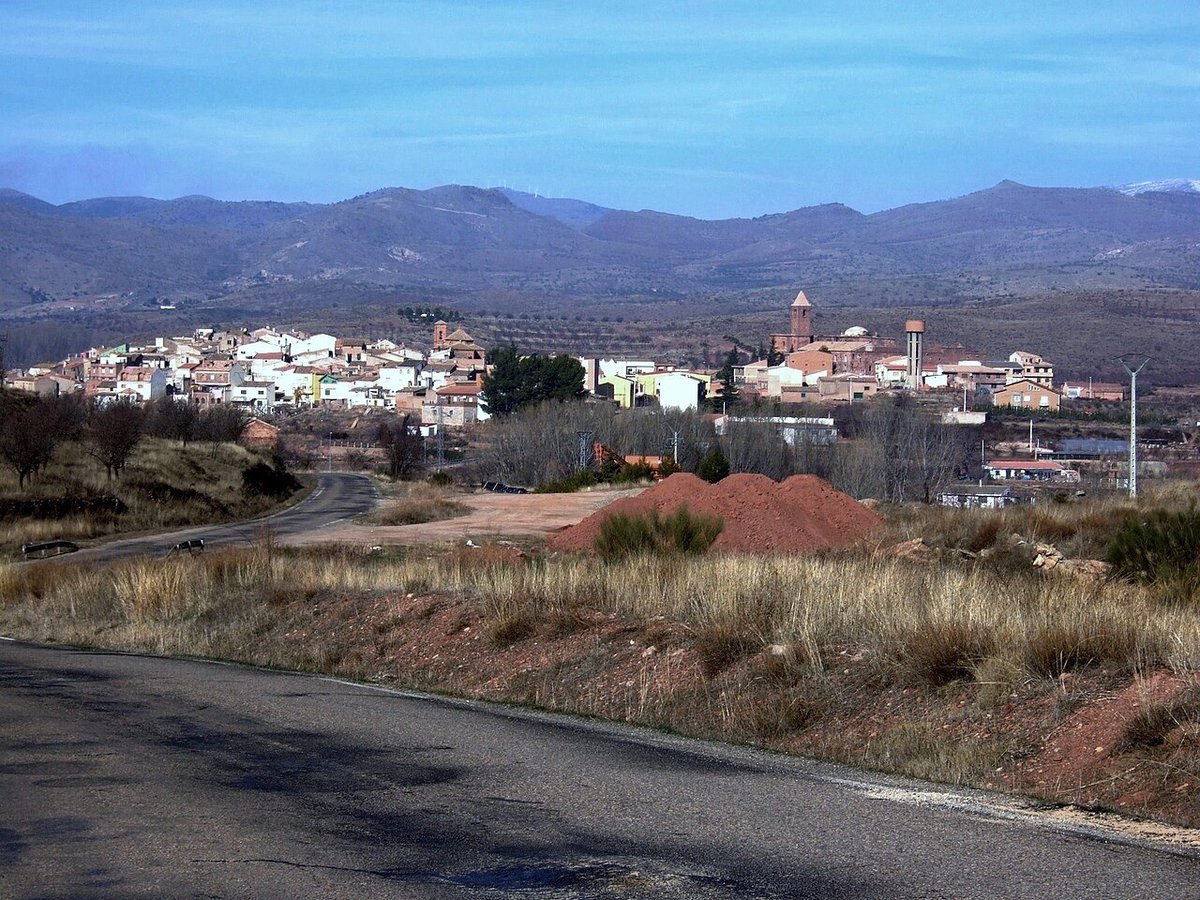
The wheat fields around Gotor don't whisper—they rustle like dry paper. At 608 metres above sea level, this Aragonese village sits where the Ebro Valley meets the Iberian System's first ridges, creating a landscape that changes colour with the seasons like a slow-motion kaleidoscope. One hour west of Zaragoza, past olive groves and almond orchards that survive on mere centimetres of annual rainfall, Gotor represents Spain's agricultural backbone: stubborn, weathered, and surprisingly alive.
Stone and Adobe Against the Sky
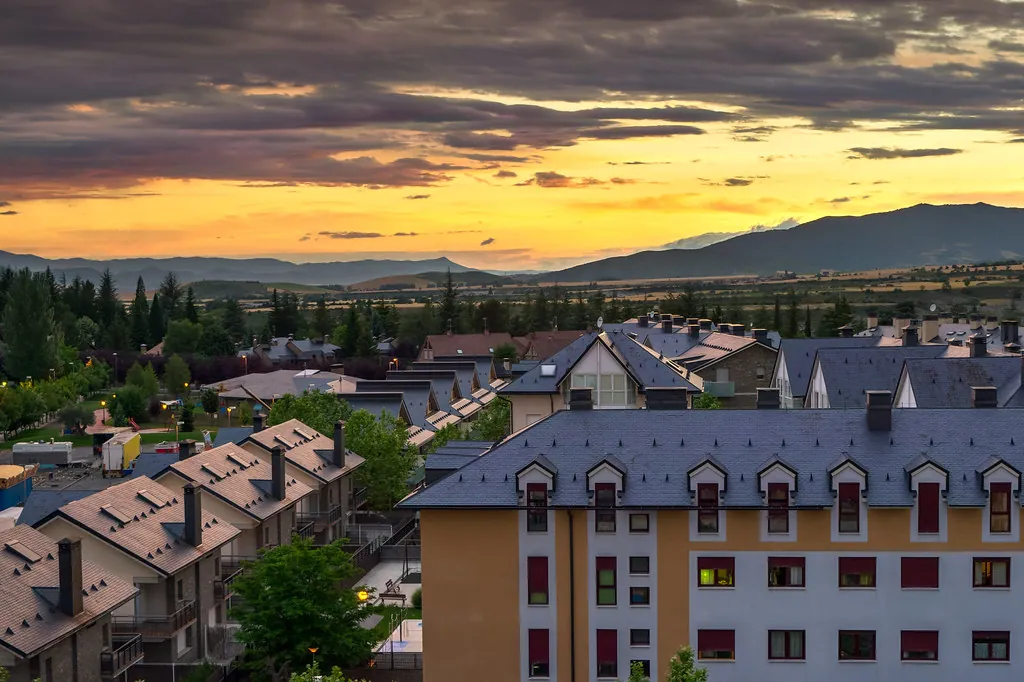
The village's compact centre reveals itself quickly—perhaps too quickly for those accustomed to getting lost in medieval quarters. Barely 500 metres across, Gotor's urban fabric consists of limestone houses with wooden eaves and wrought-iron balconies, their adobe walls absorbing the region's temperature extremes. The Church of the Assumption dominates the skyline, its medieval bones dressed in later renovations that chart the town's economic fortunes through architectural additions.
Local stone defines everything here. From the church's dressed facades to the humblest cottage walls, the same limestone appears in different guises: rough-hewn for field boundaries, precisely cut for doorframes, weathered smooth by centuries of dry wind. Many houses maintain their interior patios—cool retreats during summer's furnace-like afternoons where families once gathered around stone sinks and wood-fired ovens. These spaces now serve as private gardens or storage, though their original purpose remains visible in the worn thresholds and soot-blackened cooking niches.
Walking the streets takes twenty minutes, thirty if you pause to examine the ironwork or peer through open doorways where glimpses of interior life reveal themselves: a television flickering in a darkened room, washing strung between balconies, an elderly woman watering geraniums at 7 pm sharp. The rhythm follows agricultural time, not tourist schedules.
The Logic of Dryland Farming
Gotor exists because wheat and almonds can survive here. The surrounding landscape—thousands of hectares of dryland farming—supports a population that peaked decades ago but refuses to vanish entirely. Spring brings brief green flashes before the land reverts to golds and ochres. Summer turns everything brittle; even the olive trees look thirsty. Autumn offers the year's most photogenic moments when low sun angles transform cereal stubble into burnished copper.
The village serves as an excellent base for understanding how Spaniards adapted to water scarcity centuries before climate change made it fashionable. Agricultural paths radiate outward, following ancient rights of way between plots. These aren't manicured walking trails but working routes—expect dust, expect mud after rain, expect to step aside for the occasional tractor. Distances are modest: three kilometres north brings you to elevated viewpoints across the Aranda region; southward paths descend toward seasonal streams that carve shallow ravines through the limestone.
Winter access requires caution. At this altitude, frost is common from November through March, and the N-122 from Zaragoza can ice over during cold snaps. Snow falls occasionally, transforming the brown landscape briefly white before fierce sun returns. Summer brings the opposite challenge: temperatures regularly exceed 35°C, making midday exploration unpleasant. Early morning or late afternoon become the sensible choices for outdoor activity.
What Arrives on the Table
The local gastronomy reflects agricultural reality. Lamb from nearby flocks appears in seasonal dishes, often slow-cooked with minimal seasoning—quality meat needs little enhancement. Artisanal sausages, particularly longaniza and chorizo, hang curing in family cellars throughout winter, ready for summer festivals when returning emigrants expect familiar tastes. Almonds feature prominently: in pastries, in sauces, or simply roasted with local rosemary.
Don't expect restaurant variety. Gotor has one proper restaurant, usually open weekends, plus a bar serving basic tapas. The real food culture happens in private homes during festivals or family gatherings. Visitors renting village houses can source ingredients from Zaragoza's markets beforehand—the local shop stocks essentials but offers limited fresh produce. Wine comes from neighbouring Calatayud or Borja, robust reds that pair well with the region's hearty food.
Photography enthusiasts should plan around golden hour. The flat, harsh midday light that characterises Spain's interior becomes magical during the first and last hours of daylight. Wheat fields glow, stone walls warm up, and the distant Iberian ridges create layered silhouettes. Spring and autumn provide the most dramatic skies—summer tends toward cloudless blue that, while pleasant for sitting in shade, makes for boring photographs.
When the Village Remembers It's Spanish
Mid-August transforms Gotor. The Assumption festival draws former residents back from Zaragoza, Barcelona, even London and Geneva. Population swells to perhaps a thousand; streets fill with voices speaking Spanish with Aragonese accents, plus the occasional Catalan or English from second-generation emigrants. Processions wind through streets barely wide enough for the bearers; fireworks echo off stone walls; temporary bars serve beer and wine until 3 am.
Semana Holy Week offers quieter observance. Processions here maintain medieval precedents: hooded penitents, carved wooden virgins, brass bands playing mournful marches that have changed little since their composition. The scale remains human—perhaps fifty participants, two hundred spectators—allowing visitors to observe rather than merely gawk.
Autumn brings agricultural traditions that rarely appear in guidebooks. The pig slaughter, while less common than decades ago, still occurs in some households. Families gather to transform a year's worth of pork into hams, sausages, and preserves. These events aren't tourist attractions but private affairs where invitation depends on personal connections rather than guidebook recommendations.
Getting There and Away
Zaragoza serves as the logical gateway. Car hire from the airport costs approximately £30 daily; the drive takes an hour via the N-122 toward Soria. Public transport exists but requires patience: two buses daily from Zaragoza's Estación de Autobuses, departing 9 am and 5 pm, returning at crack-of-dawn times that favour locals over visitors. Journey time extends to two hours with village stops.
Accommodation options remain limited. No hotels operate within Gotor itself; the nearest lie twenty minutes away in Tarazona or twenty-five in Tudela. Village houses occasionally rent to visitors—expect basic amenities, Spanish television, and kitchens equipped for serious cooking rather than holiday omelettes. Prices hover around £60 nightly for a two-bedroom house, less for longer stays.
The honest assessment? Gotor suits travellers seeking Spain beyond the coastal clichés, those comfortable with limited services and early bedtimes. It rewards photographers, walkers content with modest distances, and anyone interested in how rural Spaniards maintain identity despite decades of emigration. Come for two days, three if you're using it as a base for wider exploration. Come prepared for silence after 10 pm, for shops that close at lunch, for conversations that require basic Spanish. Don't come expecting nightlife, boutique shopping, or Michelin stars. The village offers something rarer: continuity in a country often reduced to flamenco and paella.