Full Article
about Graus
Ocultar artículo Leer artículo completo
The Monday market spreads across Plaza Mayor before the sun has cleared the ridge. Under the sixteenth-century arcades, a farmer from the next valley sets out coils of longaniza sausage the colour of burnt umber and explains, in rapid Aragonese, why this week’s batch smoked longer. No one queues; people simply lean in, listen, buy. By eleven the smell of garlic and pork hangs so thick you can taste it on the cold mountain air. That scent is Graus: half-way up, half-way back, a town that still lives by the calendar of pigs and snowmelt.
A Town the Maps Forgot to Simplify
Graus perches at 469 m where the Ésera and Isábena rivers meet, low enough for almond trees yet high enough for eagles. Drive north-east for 45 minutes and you are in genuine Pyrenean wilderness; drive south-west for the same time and the rocks turn to Somontano vineyards. The usual Spanish coast-to-ski motorway streaks past 25 km to the south, which explains why the place has only 3,400 souls and zero chain hotels. What it does have is a road system designed for mules: alleys that kink, staircases that start without warning, and a one-way circuit so tight that delivery vans fold in their mirrors and breathe in.
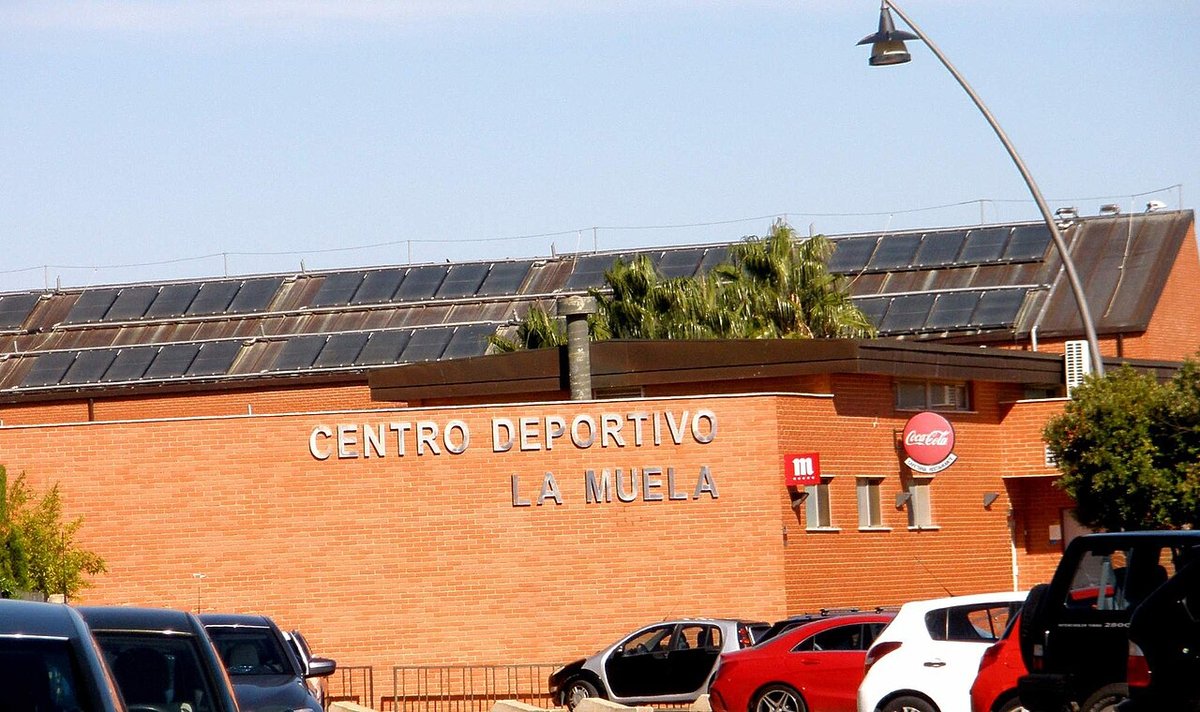
Park at the free carpark behind the polideportivo (signed “Parking Gratuito”) and walk the final 200 metres. The tourist office keeps British-standard hours—10:00-14:00, 16:30-19:00—so if you arrive at lunchtime, when the bells of San Miguel strike two, the shutters will already be down. Plan accordingly; the staff speak excellent English when they are there, but they are not always there.
Stone, Wood and the Smell of Smoke
Start in Plaza Mayor, still called Plaza de España on older maps. The arcades are deep enough to swallow winter rain and summer sun alike; locals call them los soportales and use them as an outdoor living room. Look up: every timber beam is carved with the date the house went up—1547, 1622, 1711—yet the chemist’s sign is neon and the bakery’s card machine works even when the network doesn’t. The mixture is accidental, not staged.
Casa Bardaxí dominates the north side, a Renaissance palace done in caramel-coloured stone. You can’t go inside—it’s now divided into flats—but the façade is the textbook they use at Zaragoza University to explain Aragonese plateresque. Turn 180 degrees and you see the church tower, Baroque and wedding-cake ornate, rising like an afterthought from a simpler Gothic base. The door is usually unlocked; step in to escape the wind and you’ll find the interior gloomy but warm, the air thick with candle wax and the metallic tang of old incense.
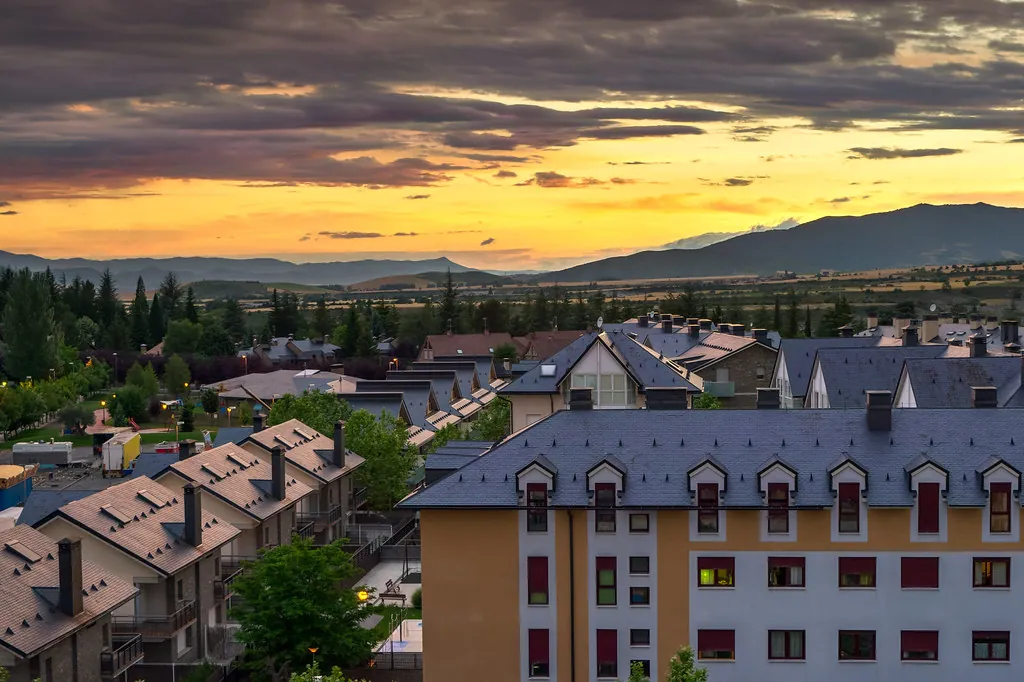
From the church doorway, Calle Mercado climbs so steeply that the cobbles are polished into grooves. Five minutes of calf-burning brings you to the Ermita de la Virgen de la Peña, a twelfth-century chapel glued to a sandstone outcrop. The view compensates: a slate roof-jumble sliding down to the rivers, and beyond that the first proper Pyrenean ridges, still snow-dusted in April. Sunset here is 360-degree theatre; bring a jacket because the temperature drops ten degrees the moment the sun disappears.
Rivers, Mills and a Path that Thinks it’s a Gorge
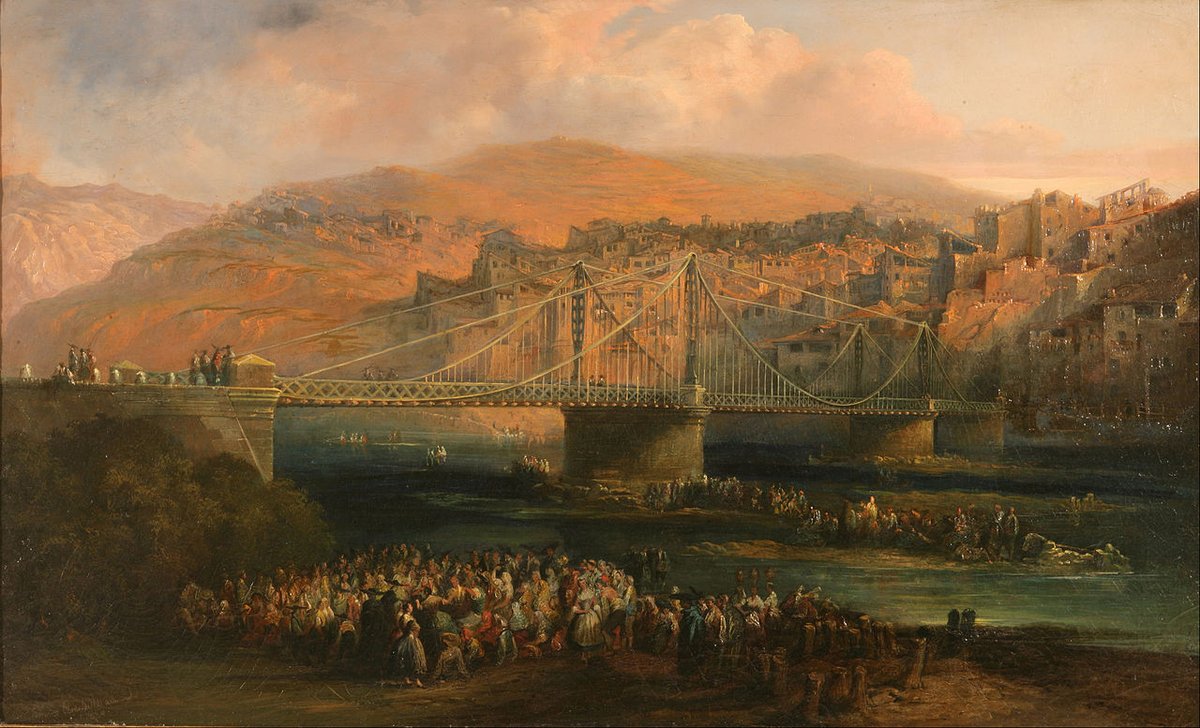
Back at river level, a paved path follows the Ésera westwards for 3 km to the Molino de la Morería, a water-mill abandoned in the 1960s and now converted into an interpretation centre that opens only at weekends. Even when closed, the walk is worth it: cypress shade, kingfishers that dart electric blue above the water, and the sound of snow-melt rushing to the Ebro. Cross the medieval stone bridge and you can loop back on the opposite bank, adding another forty minutes through reed beds and kitchen gardens where grandfathers still water by hand.
If you want proper mountain walking, drive 12 km up the A-1606 to the village of Bonansa and take the track marked “Mirador de la Peña Solana”. The round trip is 8 km, 500 m of ascent, and delivers a balcony view over three river valleys. In May the hillside is polka-dotted with wild peonies; in October the same slope smells of thyme and mushroom. Snow can block the road from December to March, so check at the tourist office before setting off—Google Maps does not know about winter gates.
What to Eat, When to Eat, How to Pay
Graus runs on pork. The local longaniza carries PGI status, which means the pigs must be Aragonese and the sausage must hang for a minimum of 45 days. Order it simply—a la plancha, grilled until the skin blisters—and it arrives with hand-cut chips and a wedge of roast pepper. A plate costs €9-11 and is lunch enough for two if you add bread.
Ternasco, roast suckling lamb, is the other staple. The meat is paler and milder than Welsh lamb, served in thick slices with potatoes sliced so thin they shatter. Casa Félix (Calle Mayor 14) does the classic version; reserve at weekends because half of Huesca drives up for Sunday lunch. They close at 16:00 sharp—kitchen fires are doused, metal shutters come down, the town switches off.
Vegetarians survive on migas—fried breadcrumbs with garlic and grapes—plus the odd revuelto of wild asparagus in season. Pudding is usually pastel de Graus, a layered sponge soaked in syrup and cinnamon; order coffee afterwards and they will ask “con leche o solo?” but the milk arrives already added unless you protest.
Cards are accepted in most restaurants, yet several family-run groceries still deal only in cash. The nearest ATM is in the BBVA on Plaza Mayor; it charges €2 per withdrawal and occasionally runs out of notes on market Monday.
Staying the Night (or Not)
There are no hotels, only hostales—small, family boarding houses with thin walls and excellent soundproofing between you and the church bells. Hostal Lacasa (two stars, €55 double B&B) faces the river and has parking, but check-out is 10:30 and they mean it. A handful of rural cottages scatter the surrounding hamlets; these come with wood-burners, starry skies and the certainty that the nearest bar is a 15-minute drive down a switch-back. Book through the regional tourism site—Airbnb coverage is patchy and satellite internet can vanish in bad weather.
Most British visitors treat Graus as a lunch stop between Barcelona and the Ordesa National Park. That works: it breaks the 3½-hour drive perfectly and you will be back on the A-22 before the siesta ends. Stay longer only if you are content with slow-motion days: one walk, one coffee, one long stare at the ridges turning pink.
The Catch
Evenings are silent. After 22:00 the only sound is the river and the occasional dog. If you crave nightlife, push on to Benasque or double back to Barbastro. Mobile reception is patchy in the old quarter—WhatsApp messages pool until you step into the plaza. And English really is scarce; download the Spanish offline pack in Google Translate and learn to smile when the butcher replies in rapid dialect.
Yet that is the deal. Graus offers a Monday market that smells of wood-smoke, a church tower you can use as a compass, and rivers clean enough to drink from. Accept the quiet, remember the pork, and the Pyrenees will start to feel like they begin right here.