Full Article
about Grisel
Ocultar artículo Leer artículo completo
A village that fits between two fields
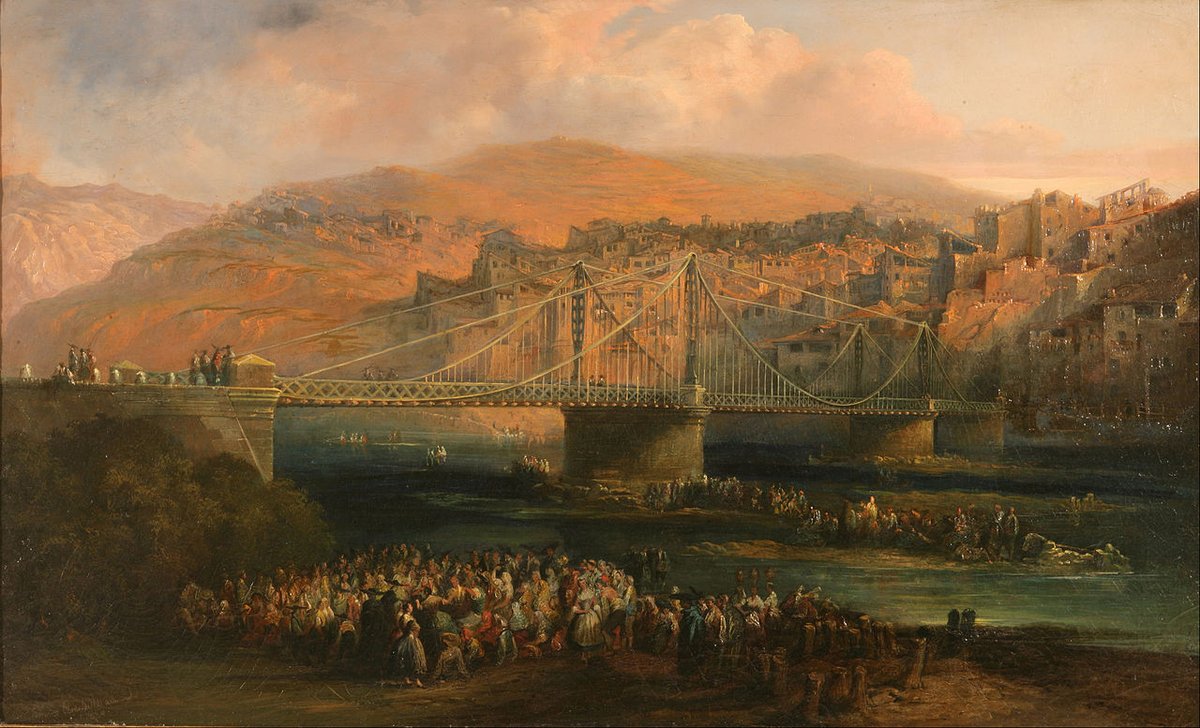
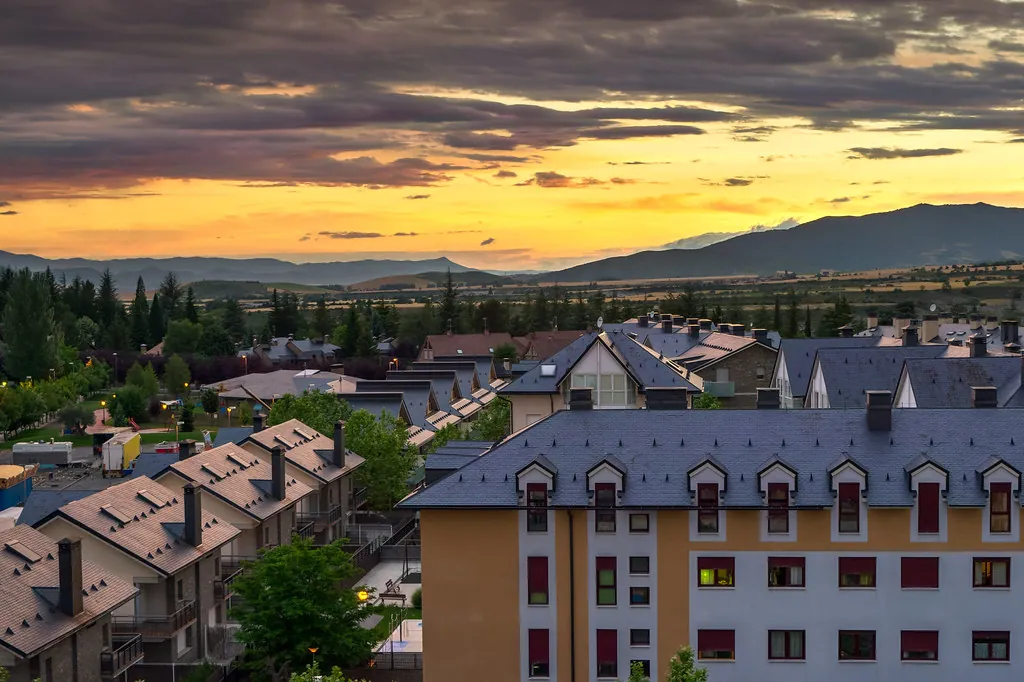
Grisel stretches itself across a low ridge at 625 metres, close enough to Tarazona to borrow bread, far enough to forget traffic noise. Eighty-two residents, one parish church and a castle keep watch over stripes of cereal and almond that change colour every fortnight. Stand still for five minutes and the only sounds are a distant tractor, a dog negotiating with crows, and the wind that has crossed the Moncayo massif and lost most of its bite.
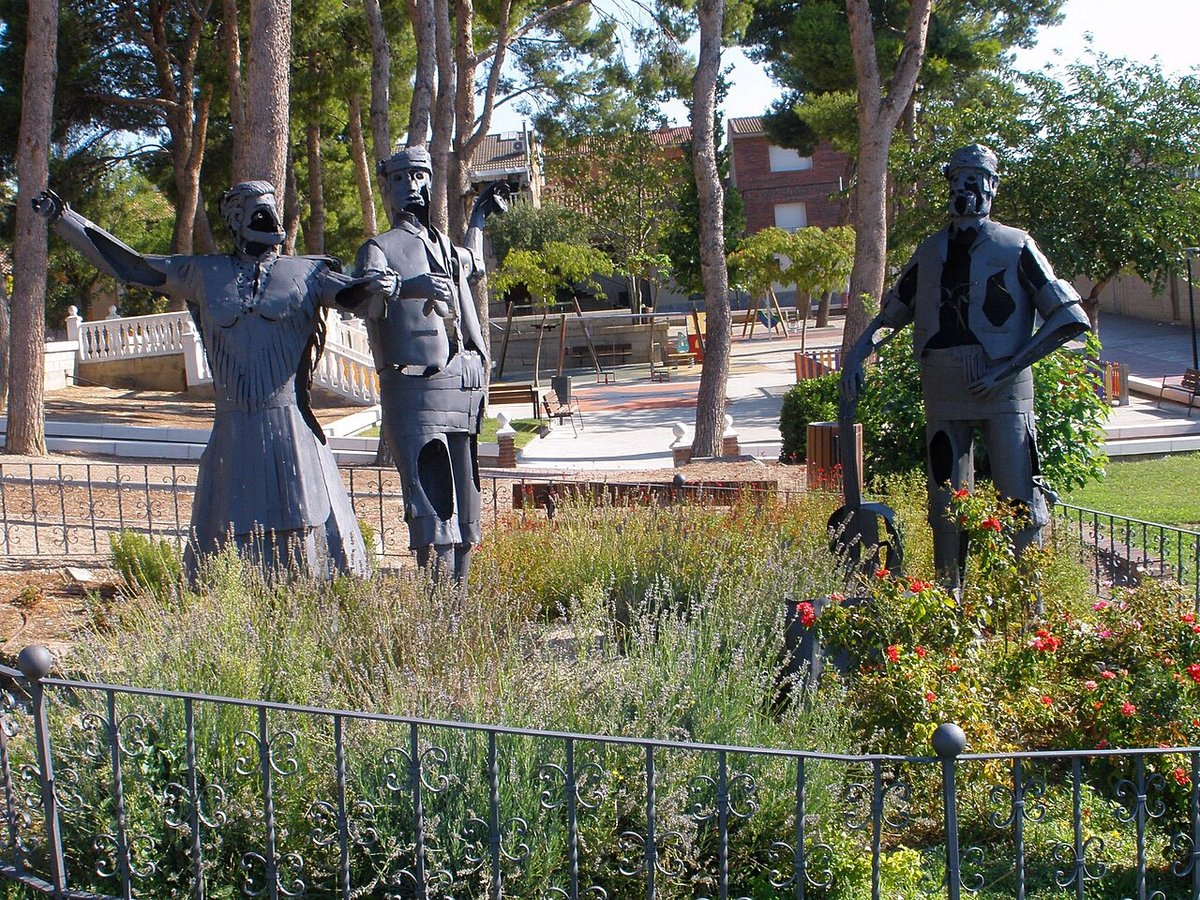
The houses are built from the same ochre stone that lies just beneath the topsoil, so walls and landscape appear to have grown together. Rooflines are straight, balconies modest, paintwork mostly the original ironwork black. There is no postcard-perfect plaza; instead the village widens slightly to admit a bar, a shaded bench and a stone fountain that still runs. Visitors expecting manicured gardens will find vegetable plots: lettuces in neat rows, a few sunflowers planted to shade the tomatoes, and scarecrows wearing last season’s Real Zaragoza shirt.
Sleeping inside the fourteenth century
The Castillo de Grisel is the reason most outsiders break the journey between Bilbao and Valencia. Four towers remain; the keep has been converted into five guest rooms with heating that actually works. English-speaking hosts email directions in advance because sat-nav throws a tantrum on the final kilometre of single-track road. Check-in is by appointment—there is no reception desk, only a heavy key that turns with a satisfying medieval clunk. Breakfast is taken in the former armoury: coffee strong enough to wake a crusader, orange juice pressed that morning, and pastries from a bakery in Tarazona that has been running since 1893. Dogs are welcome; the resident cat is still negotiating the treaty.
Mobile signal dies the moment you cross the drawbridge, so download maps before arrival. Wi-Fi reaches the rooms but thick stone walls ration the bandwidth—good enough for email, hopeless for iPlayer. Evening entertainment is simpler: walk the battlements at sunset and watch the Moncayo flush pink, then listen for owls that nest in the southwest tower.
Walking without waymarks
Grisel does not bother with signed hiking loops; instead farm tracks simply leave the last house and head for the horizon. A thirty-minute stroll south drops you into the Barranco del Cid, a shallow ravine where poplars provide shade even in July. Continue another kilometre and the path lifts onto a plateau striped with wheat and edged by rosemary hedges. In May the ground smells faintly of aniseed; by late July everything is gold and rustle.
Serious walkers can link up to the GR-90 long-distance trail, but most people are content to follow the farm roads until the village looks like a handful of dice thrown onto a brown table. Carry water—there are no fountains once you leave the last allotment. A loop of six kilometres brings you back past an abandoned stone hut whose roof collapsed during the 1982 storm; inside, someone has placed a plastic Madonna and fresh flowers. The shrine is maintained by whoever last walked past.
What happens when the sun goes down
Evenings revolve around the two bars, both on the same fifty-metre stretch. The first opens at seven, serves ice-cold lager and dishes out free tapas if you buy a second round. The second stays shut until the owner hears enough voices outside; patience is rewarded with grilled lamb cutlets and local peppers roasted until they taste of smoke and caramel. Last orders are taken at ten; after that the streetlights blink off and the village belongs to cats and shift workers heading for the early almond harvest.
If you crave more choice, Tarazona is eight minutes by car. The restaurants there close kitchens at half past ten, so British stomachs accustomed to post-pub curry may need adjusting. House wine from Campo de Borja is lighter than Rioja and costs about €12 a bottle in the supermarket; ask for “tinto joven” if you want something that won’t stain your teeth. Vegetarians do best with the parrillada de verduras; vegans should rehearse the phrase “sin queso, sin huevo” because dairy finds its way into most vegetable dishes.
Seasons that change the volume
Spring arrives suddenly in late March: almond blossom overnight, then a rush of green that makes the stone houses look brighter. Temperatures sit in the low twenties—perfect walking weather—and the village clock remembers to tick a little faster as weekend visitors appear. By mid-May the wheat is knee-high and the first swifts return to nest under the castle eaves.
Summer is hot, dry and quiet. The population swells to perhaps 120 when grandchildren arrive from Zaragoza, but even then the only queue is for the ice-cream freezer in the bar. Afternoons are siesta-shaped; sensible people stay in the shade until five. The castle rooms stay cool thanks to metre-thick walls, though you will still need factor 30 on the roof terrace.
Autumn brings harvest dust and the smell of crushed grapes. Locals debate whether to pick almonds early before the wild boar raid; you may be invited to help in exchange for a share of the crop. Nights turn chilly—pack a fleece even in September—and the Moncayo collects its first snow cap.
Winter strips the landscape back to bone and ochre. Daytime highs reach ten degrees, nights drop below zero, and the castle heating earns its keep. Roads are kept clear, but the final approach can glaze over; carry snow chains if you book between December and February. The reward is silence so complete you can hear your own pulse, and skies washed clean by Atlantic storms that rarely reach the Mediterranean coast.
Cash, keys and common sense
There is no ATM in Grisel; the nearest cashpoint is beside Tarazona’s main square, four kilometres away. Both village bars accept cards, but the mobile terminal fails when the wind blows from the north—bring notes. Fuel is sold only in Tarazona, so fill up before you turn off the A-68. Check-in at the castle must be arranged by email; turn up unannounced and you will stare at a locked portcullis while your phone searches for a signal that isn’t there.
Dogs are welcome almost everywhere, but keep them on a lead during harvest: tractors move fast and farmers have long memories. Bin bags are collected Tuesday and Friday; leave rubbish by the fountain before nine or it sits outside your door all week.
Leaving without hurry
Grisel will not keep you busy. It offers instead a pause button: a place where the day is measured by how far the shadow of the church has moved across the square. Some visitors stay one night, tick “sleep in castle” and drive on. Others find themselves still there three days later, helping to fix a neighbour’s dry-stone wall and learning that the village was once a Templar staging post on the route to Santiago. You leave when the silence starts to feel normal, or when the bar runs out of coffee—whichever comes first.