Full Article
about Ibdes
Ocultar artículo Leer artículo completo
The church bell in Ibdes strikes noon, yet only two tables are occupied at the single bar on Plaza Mayor. One is taken by three farmers in dust-grey overalls discussing barley prices over cañas of beer; the other by a British couple attempting to photograph the square’s modest stone fountain without catching a stray dog in frame. This is rural Aragon stripped of soundtrack and souvenir stalls: 743 metres above sea level, 384 permanent souls, and a silence loud enough to hear your own city stress evaporate.
Stone, Sun and Soil
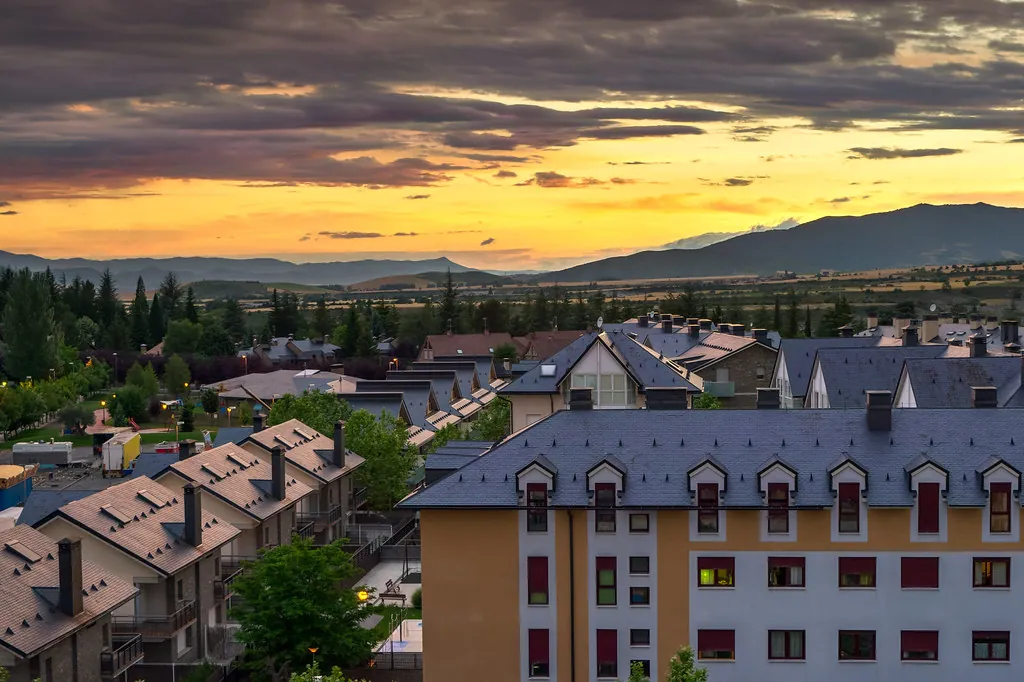
Ibdes sits on a low ridge between the Jalón river and its own patchwork of cereal terraces. The houses are built from the same ochre limestone that breaks through the surrounding fields, so walls, roads and boundary walls blur into one continuous fabric. Chimneys rise in truncated pyramids, their brick the colour of dried blood after decades of woodsmoke. A few 17th-century mansions still carry carved coats of arms above studded doors, but pride of place goes to the parish church of San Miguel Arcángel, whose square Romanesque tower doubles as the village compass point. Step inside and the air smells of wax and damp stone; an eighteenth-century gilded altarpiece glints in the half-light. The door is usually locked outside Saturday-evening Mass, so ring the presbytery bell or ask in the bar—whoever answers will probably be holding the key under the counter.
There is no prettified “old quarter” to tick off. Instead, lanes taper into alleyways wide enough for a single mule, then widen suddenly into threshing circles edged with low walls. Modern aluminium shutters sit beside timber balconies whose paint has long since flaked away, and the overall effect is accidental rather than curated. That honesty appeals to photographers who tire of geranium-filled window boxes: here you can frame rusted ironwork, collapsing haylofts and stubble fires without a single telecom mast intruding.
Walking Without a Summit
The sierra that cradles Ibdes to the south never rises above 1,100 metres, so the walking is more stride than scramble. A way-marked footpath leaves from the cemetery gate, climbs gently through olive groves, then follows the ridge of the Cerro de San Miguel for thirty minutes to a concrete trig point. From the top you can trace the Jalón’s green ribbon west towards Calatayud, while the Monasterio de Piedra’s hotel tower pokes above the pines eight kilometres away. Sunset turns the cereal stubble the colour of pale ale and brings out stonechat calls from the scrub; carry a jacket even in May, the wind up here has a mountain memory.
Spring brings a brief, brilliant flourish of poppies and wild asparagus; by July the land is already blond and cracked. In autumn the same soil smells of wet straw and mushrooms after the first storms. Winter arrives sharp and early—snow is rare but night frost is guaranteed, so country roads can ice over before Christmas. If you plan a December visit, check the forecast: the A-1107 from the motorway is treated sporadically, and the last bus back to Zaragoza leaves Calatayud at 19:00.
Eating What the Fields Give
Forget tasting menus. The only place serving regular meals is Bar Plaza, where the daily lunch (€11) appears on a whiteboard at 10:00 and is usually wiped clean by 14:30. Expect migas—fried breadcrumbs studded with chorizo and grapes—followed by roast lamb that falls from the bone at the touch of a fork, then a slab of cuajada, sheep’s-milk curd drizzled with local honey. Vegetarians can ask for pisto aragonés (a pepper and aubergine stew) but the kitchen will look momentarily confused. Olive oil comes from a cooperative in neighbouring Nuévalos, sold in one-litre plastic bottles that could double as doorstops. There is no shop in Ibdes, so stock up in Calatayud if you are self-catering.
The fiesta calendar is equally straightforward. San Miguel at the end of September turns the village into an open-air kitchen: neighbours drag portable barbecues onto the street and the air fills with the smell of sizzling chuletas. August’s youth festival imports sound systems and football tournaments from nearby pueblos, briefly doubling the population. If you prefer your silence undisturbed, avoid those two weekends; otherwise join in—outsiders are greeted with the same courtesy extended to returning cousins.
Getting There, Staying Over
Public transport demands patience. ALSA runs one or two buses daily from Zaragoza-Delicias to Ibdes (1 h 40 min, €8.50), but there is no service on Sunday. Hire a car at the airport instead: take the A-23 south to exit 284, follow signs for Monasterio de Piedra, then swing left onto the A-1107; the turn-off appears just after a roadside shrine shaped like a miniature chapel. Parking is wherever you find a gap between doorways—traffic wardens have never been seen.
Accommodation within the village limits is non-existent. Most visitors base themselves in one of two rural houses five minutes away by car. Casa Rural Casta Álvarez sleeps ten around a beamed living room and insists on three-night minimum stays mid-week; weekend bookings require the whole house. Monasteriohome 2 offers a smarter two-bedroom flat with mountain-view terrace, handy if you fancy an early start at the monastery’s famous waterfalls before the tour buses arrive. Expect to pay €90–120 a night, cheaper outside Spanish public holidays.
The Honest Verdict
Ibdes will not change your life. It offers no Michelin stars, no selfie-magnet viewpoints, no craft-beer taprooms. What it does offer is a working template of how most of interior Spain actually functions when coach parties are elsewhere: a place where the elderly still sweep their doorsteps at dawn, where the church key hangs in the bar, and where the land dictates the rhythm rather than the algorithm. Come for a slow afternoon, a country walk and a plate of migas; leave before you start expecting anything more spectacular.