Full Article
about Jaca
Ocultar artículo Leer artículo completo
The 11th-century cathedral closes at six, but the bars on Calle Mayor stay open until the small hours. That single fact tells you most of what you need to know about Jaca: heritage is respected, yet nobody built the place around coach parties. At 820 m above sea level, ring-fenced by 2,000 m summits, this small Aragonese city feels like a working market town that happens to own a Romanesque masterpiece and a star-shaped fortress.
Morning in the mountains
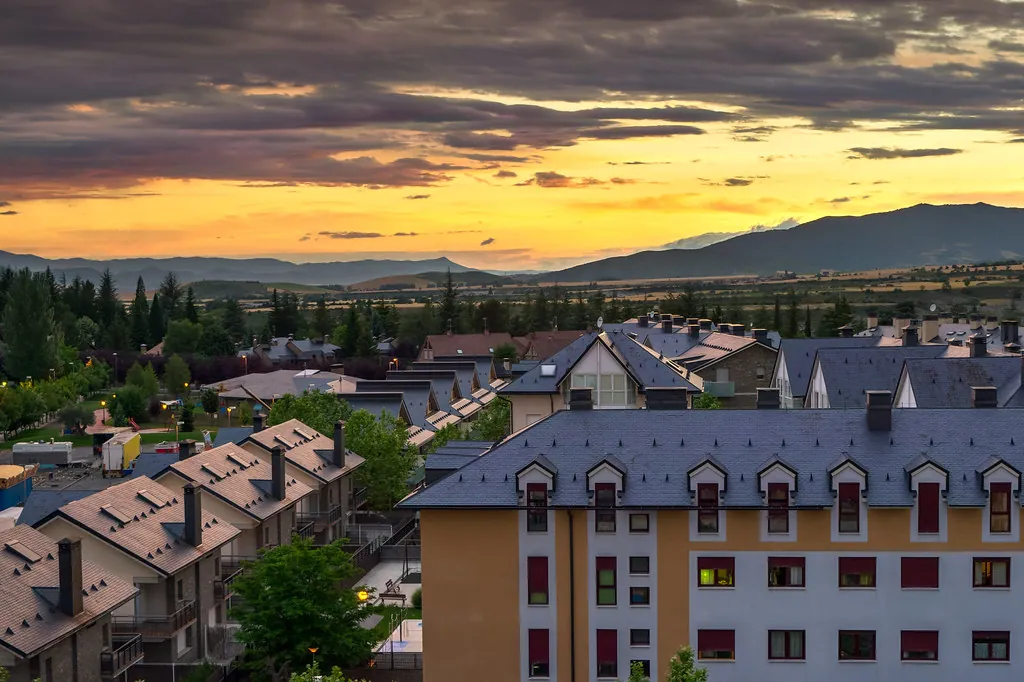
Walk out at eight and the air has a bite, even in late May. Oroel Peak, snow-dusted until June, looms over the rooftops like a silent referee. Locals stride past in hiking boots, carrying newspapers and baguettes; the bakeries smell of olive-oil tortas, not croissants. By nine the square in front of the cathedral fills with day-trippers from Zaragoza, 180 km south, but the scale stays human. You can cross the old centre in ten minutes, yet detours tempt at every corner: a cloister here, a wine bar there, a sudden view of stone slate roofs funneling up towards pine forest.
The cathedral itself is Spain’s earliest fully Romanesque church still in daily use. Inside it is cool, almost cold, and the fresco fragments in the diocesan museum—moved here from ruined Pyrenean chapels—give a crash course in pre-Gothic colour. Entry is €6; the ticket desk accepts cards but the adjacent candle box does not. Light is best before 17:00, after which the nave sinks into gloom and photography becomes pointless.
A three-minute walk south, the pentagonal Ciudadela squats behind a dry moat now inhabited by a tame herd of fallow deer. English QR-code guides exist, yet staff sometimes forget to mention them—ask outright and save yourself a Spanish-only tour. The fort’s 16th-century engineers borrowed ideas from northern Italy; the result is the only five-bastioned stronghold in Spain. Children like the miniature-soldier museum inside; parents appreciate that the ramparts provide a ready-made circular walk with mountain views and zero gradient. Cost: €7, closed 14:00–16:00 sharp.
Fuel for walkers, skiers and Sunday drivers
Jaca’s gastronomy is mountain-plain rather than coastal-fancy. Ternasco—milk-fed lamb roasted until the skin shatters—is the signature dish, served at Casa Fau on half-ration request if two of you only fancy a taste. Vegetarians survive better than you might expect: La Tasca de Ana prints an English menu and does things like grilled goat-cheese with walnut honey. Set lunches run €13–15 Monday to Friday, €18 on feast days; bread and a simple wine are included, but water appears on the bill unless you specify “grifo” (tap). Supermarkets shut all Sunday afternoon, so self-caterers should stock up on Saturday night—especially if the Spanish bank-holiday calendar looms, when even petrol-station shops lock their doors.
Coffee culture follows the military clock: quick breakfast at 07:30, mid-morning break at 11:00, then nothing until post-lunch at 17:00. Try Café Central on Avenida de la Región de Aragón for a proper cortado; they also sell individual tortilla slices the size of a CD.
Choosing your season
April and October deliver the best balance. Temperatures hover around 15 °C, ideal for the valley path that follows the Río Aragón west towards the village of Santa Cilia—flat, family-friendly, kingfishers guaranteed. Spring brings daffodils on the lower slopes; autumn sets the beeches on fire with colour just 20 minutes up the Hecho road, itself a favourite with British motorbikers for hair-pin practice minus French tolls.
Summer is warm rather than scorching—30 °C days happen, but the night air still drops to 14 °C—so you sleep under a blanket rather than air-conditioning. The flip side is fiesta inflation: the Folkloric Festival (late July-early August) books accommodation solid and doubles room rates. A double that costs €55 in April becomes €110 for those two weeks.
Winter divides the population into skiers and everyone else. Candanchú and Astún are 28 km and 32 km respectively; both can be reached in 35 minutes when the A-21 is clear. Heavy snow can extend that to an hour, and Spanish drivers are required to carry chains from November onwards. If you’re renting at Zaragoza airport, ask for them at the desk—Halfords-style purchases on the mountain cost triple.
Walking without the slog
You don’t have to be a Himalayan climber. The signposted “Ruta de los Ibones de Anayet” starts 18 km from town at the Puerto de Somport and offers two lake-filled cirques after 90 minutes of steady ascent. The path is stony but never exposed; trainers suffice in dry weather. For a zero-effort panorama, drive to the Fortín de Rapitán, a derelict 19th-century battery above the western suburbs. Sunset lines up Oroel and the ridge that marks the French border; bring a jacket because the wind arrives right on schedule.
Mountain-bikers pick up the Senda de los Montañeros, a converted railway that tunnels under the city and re-emerges among poplar farms. Bike-hire shops sit 200 m from the tourist office; hybrids cost €25 per day, deposit passport or €100 cash. Road cyclists favour the climb to the Monastery of San Juan de la Peña—1,200 m gain over 26 km, forest shade all the way, café at the top.
The practical grind
Parking is the single biggest gripe on English forums. Blue-zone bays max out at two hours and are policed with Germanic zeal. Ignore the on-street hunt and head straight for the underground garage beneath Plaza de Biscós—flat daily rate €12, ticket valid until midnight, lifts deliver you beside the cathedral in three minutes flat. Coaches use the same facility, so arrive before 10:00 or after 18:00 to find a space wide enough for a right-hand-drive mirror.
Cash is still king for small sites: cathedral museum €6, Ciudadela €7, combined ticket €11. Cards accepted above €20 only. ATMs cluster along Calle Major; Cajamar charges the lowest foreign fee (€1.75). If you need Anglican worship, the nearest service is 90 minutes away in Zaragoza; Jaca cathedral posts mass times in Spanish only.
Rain happens—Jaca averages 900 mm a year, more than Manchester—so pack a proper shell even in July. When it arrives, the outdoor cafés empty instantly and everyone migrates to the tapas bars under the arcades. Order a “chanfaina” stew and watch the water bounce off the medieval stones; the mountains disappear, but the beer still arrives at 2 € a caña.
An honest verdict
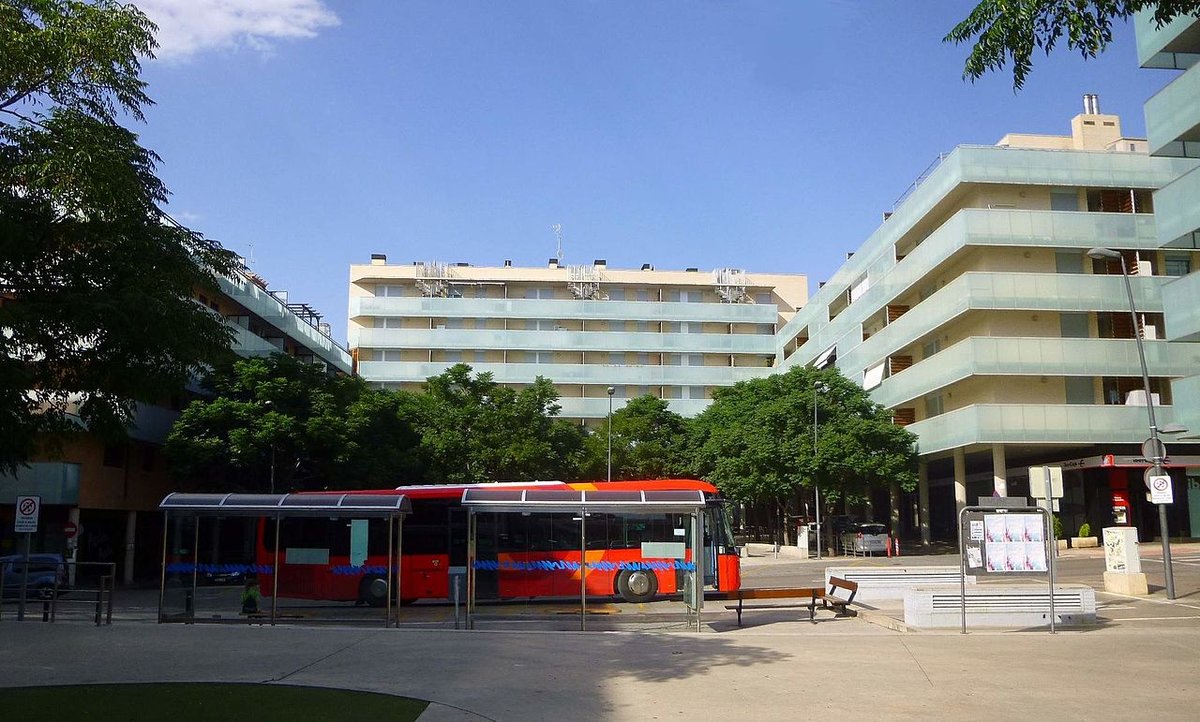
Jaca will not dazzle you with white-washed glamour or boutique shopping. It is a utilitarian mountain town whose Romanesque jewels sit next to 1970s apartment blocks, and whose nightlife ends around 01:00 unless you count the casino tucked behind the congress hall. Yet that very matter-of-factness is the appeal. Prices stay sensible, locals treat visitors as passers-through rather than cash cows, and every street corner reminds you that real life continues at altitude. Come for the cathedral, stay for the hiking, linger if you like your tapas cheap and your scenery within walking distance. Just remember the chains in December—and move the car before the two-hour limit expires.