Full Article
about Jaraba
Ocultar artículo Leer artículo completo
The first thing you notice is the smell. Not unpleasant—more like a hard-boiled egg left a minute too long in the saucepan. It drifts from the grates beside the pavement, from the stone spouts that trickle into the river, even from the hotel taps if you let the water run hot enough. Sulphur. Jaraba’s calling card, pumped up from 763 metres below the Meseta and into every brochure the village ever prints.
A Village That Runs on Warm Water
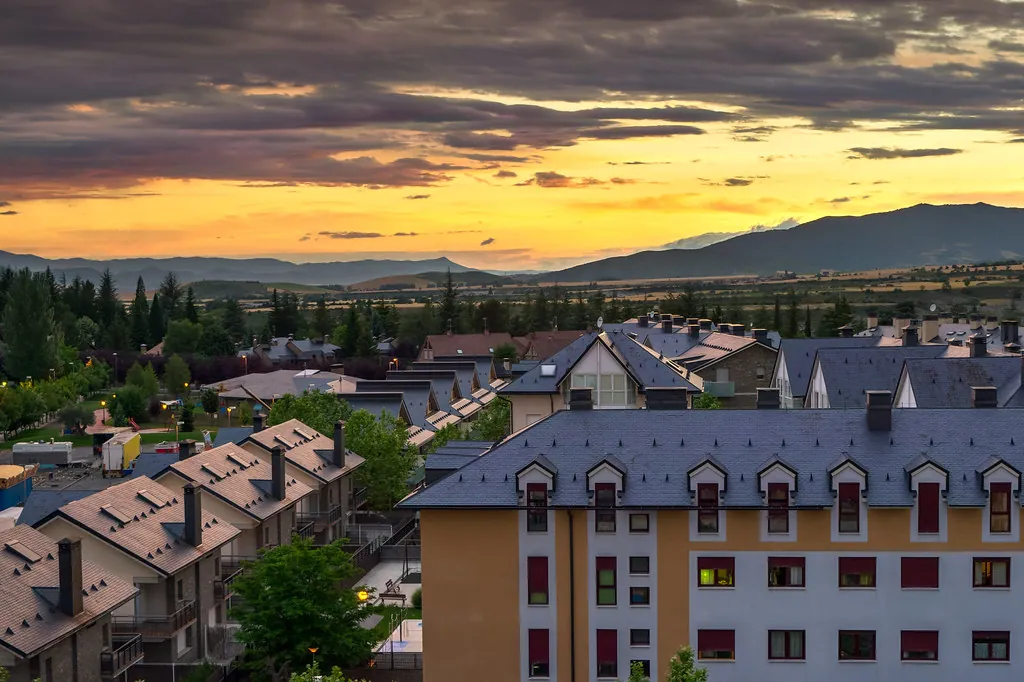
Jaraba sits in a limestone crease of the Mesa valley, 110 km west of Zaragoza and light-years away from the city’s traffic circles and glass office blocks. The population counter hovers around 280; add the weekend spa crowd and you might nudge 400. The high street is a single zebra crossing, one cash machine that reliably empties on Saturday night, and two bars where the house wine costs €1.80 and comes with a plate of olives whether you ask or not.
Thermal tourism arrived with the railway in 1907 and never really left. Three spa hotels—Aragonia, Paracuellos, and the venerable Balneario de Jaraba—occupy almost half the building stock. Their car parks are full of Madrid number-plates in April and October, and the receptionists greet British newcomers with the resigned smile reserved for anyone who has driven in from Zaragoza airport on a Sunday when the filling stations are shut.
Inside, the mood is retro-medical. Guests pad about in white robes and plastic wristbands that open lockers and record which jet pool they’ve used. The water emerges at 38°C, rich in sulphates and bicarbonates; doctors in white coats still prescribe 12-day courses for rheumatism, psoriasis and stress. The circuit is serious business: thermal pool, cold plunge, steam cave, jets for shoulders, jets for hips, then ten minutes under a warm waterfall that feels like being pelted with wet lentils. Children under 14 are barred from the therapy zones, which makes Jaraba either heaven or purgatory depending on your parenting style.
Between the River and the Pine Ridge
Step outside the spa gates and the village remembers it is still a village. The river Mesa slides past in slow loops, shallow enough to wade in September, loud enough to drown conversation after spring snow-melt. A riverside path, paved with flat limestone slabs, links the hotels to the old public washing slabs where sheets were once thrashed against stone. Now the slabs are selfie stops for walkers following the Ruta de los Manantiales, a 6 km loop that passes five separate hot springs still burrowing through the undergrowth. The trail climbs gently through Aleppo pines, then drops into a side canyon where maidenhair ferns grow in cracks and the air smells of mint and damp iron. Trainers with decent grip are advised; the descent is short but coated with fine limestone gravel that behaves like ball-bearings under a city sole.
Back in the centre, the 18th-century church of San Roque squats on a plinth of rock hewn to fit. Its doorway is plain stone, no frills, the interior dim except for a side chapel painted an unexpected kingfisher blue. Mass is sung once a week, weddings twice a year; the rest of the time the building serves as a cool refuge for cyclists tackling the lonely A-1502 to Calatayud. Bell ringing is handled electronically now—one less job for a village that lost its last full-time bell-ringer in 1983.
What You’ll Eat (and What You Won’t)
Dining choices divide neatly: inside the hotel or out on the pavement. Half-board packages look economical until you realise dinner starts at 19:30 sharp and the menu has barely changed since 1998. Expect sopa de pescado (mild, saffron-tinged), overcooked pork loin in a cream sauce, and industrial custard topped with a biscuit. Vegetarians survive on omelette and manchego; vegans should consider self-catering. The local red—Pago de la Jaraba—drinks more easily than its €12 price tag suggests, but the hotel mark-up doubles it.
Walk 200 metres to Bar El Rincón and the story improves. The owner buys lamb from a cousin in Castejón de las Armas and grills it over vine cuttings until the fat hisses and the skin turns to parchment. A half-kilo portion feeds two, costs €22, and arrives with chips that still have the skin on. Order ahead; when the lamb’s gone, it’s gone. Dessert is either flan or supermarket ice-cream, served with the apology that “pastry needs a village of 500 to justify an oven”.
When to Come, When to Stay Away
Spring and autumn are kindest. April brings almond blossom along the valley and daytime highs of 22°C—perfect for hiking without the spa hair-do. October is quieter; the pools steam in the cool dawn and the surrounding pine woods smell of resin and wet bark. Summer can hit 38°C; the thermal outdoor pools feel like soup and the village generator groans under air-con units built for a milder decade. Winter is crisp, often bright, but the single road from the motorway ices over at night and the hotels close whole wings to save heating bills.
Festivities flip the switch completely. Fiesta de San Roque, 14-17 August, quadruples the head-count. Brass bands march at 02:00, fireworks echo off the canyon walls and the one cash machine gives up entirely. Book early or stay away—there is no middle ground.
The Practical Bits
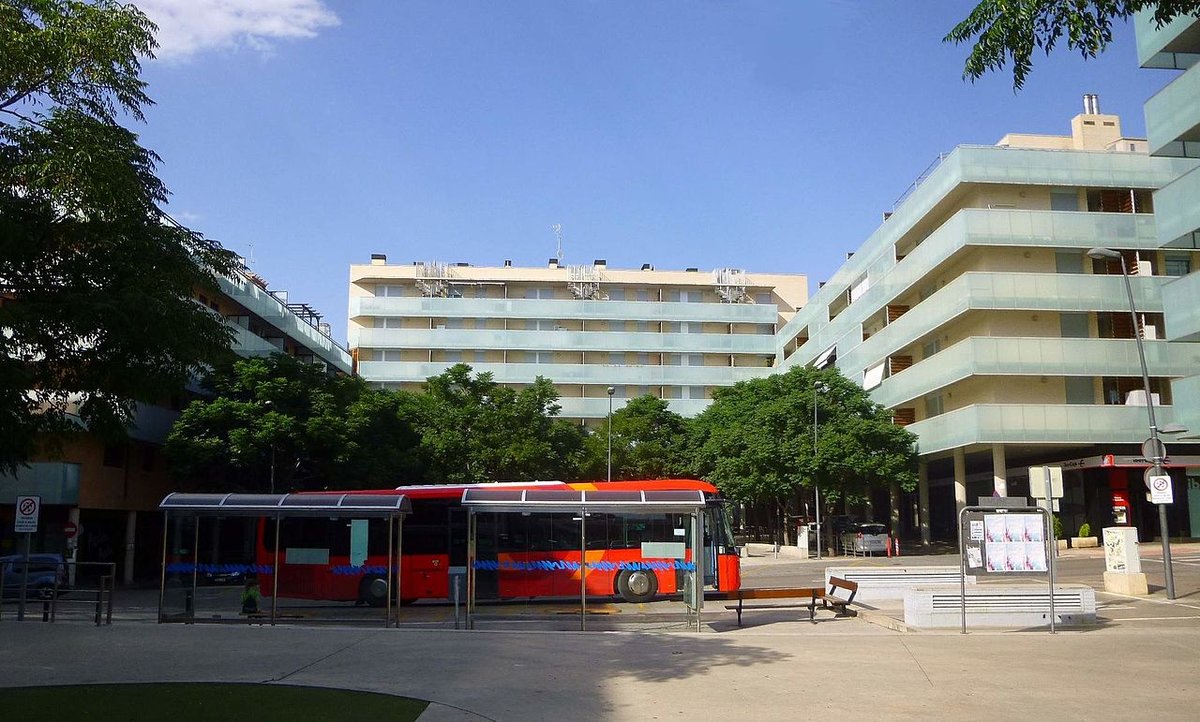
A car is non-negotiable. There is no direct bus from Zaragoza on weekends; the weekday service arrives at 15:00 and leaves at 07:00 next morning, which defeats most long-weekend plans. The nearest large town, Calatayud, is 25 minutes down the A-2 and has tapas bars that open late, a Mercadona for emergency hummus, and a Renfe station with high-speed links to Madrid.
Pack flip-flops for the spa—the marble floors are slicker than they look—and a fleece for after dark even in July. Ask for an even-numbered room ending in 04 or 05: they overlook the river rather than the coach bay and you’ll wake to the sound of water instead of diesel engines. Bring cash; the ATM opposite the church is the only one for 20 km and it prefers Spanish cards. If it flashes “sin efectivo”, the hotels will advance money against your credit card, grudgingly and with a 4% surcharge.
Last Impressions
Jaraba will not suit everyone. If you need artisan coffee, boutique shopping or conversation in fluent English, stay in Zaragoza. If you are happy to let sulphurous water do the talking, to eat chips with your omelette, and to measure the day by pool jets and pine shade, the village delivers a slow, slightly eccentric reset. Check out by 10:00, drive back up the serpentine road, and the smell lingers on your skin just long enough to remind you that, somewhere down in the valley, the earth is still simmering quietly under its limestone lid.