Full Article
about Jarque de Moncayo
Ocultar artículo Leer artículo completo
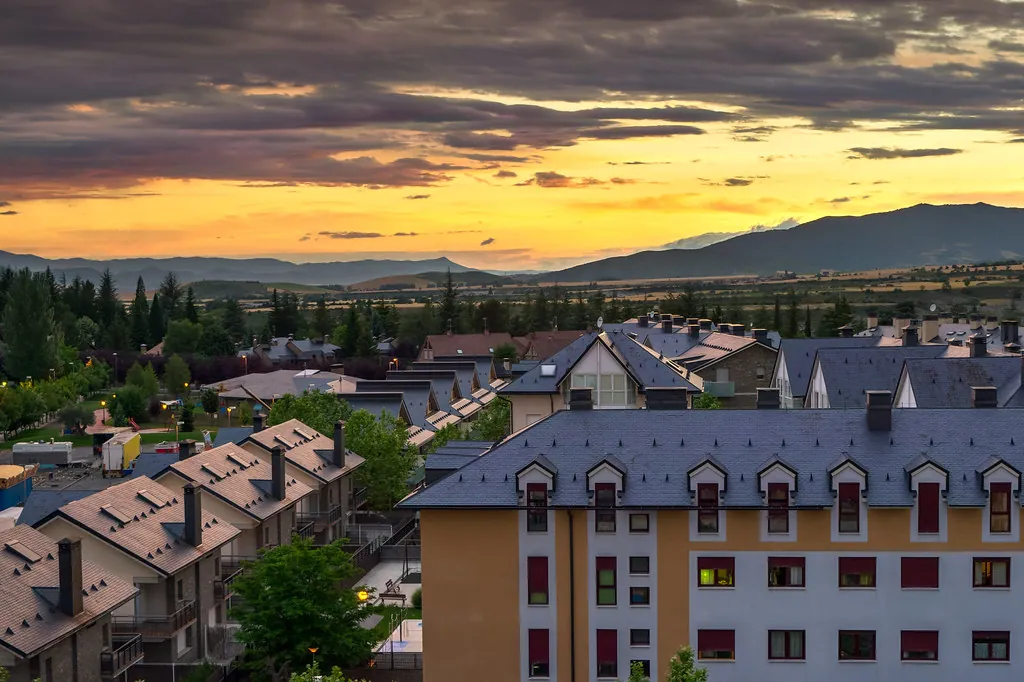
The church bell strikes noon and Jarque de Moncayo's single street empties. Not because anything dramatic is happening, but because it's lunchtime and that's simply what you do here. At 631 metres above sea level, where the Ebro Valley meets the first serious folds of the Moncayo massif, this village of 407 souls operates on agricultural rhythms that pre-date cheap flights and weekend breaks.
The Slow Arrival
Getting here requires commitment. From Zaragoza, the A23 motorway carries you past endless olive groves before depositing you onto the A125, where the road begins to climb and twist through terrain that grows progressively wilder. The final 20 minutes from Tarazona feel like entering another century: stone terraces appear, the verges grow unkempt, and suddenly you're threading between cereal fields the colour of parchment.
Winter visitors face a different proposition. When snow settles on the Moncayo's 2,313-metre peak, the approach roads ice over and Jarque becomes briefly isolated. Locals stock up on firewood and provisions, understanding that weather can sever their connection to the outside world for days. Summer brings the opposite challenge: temperatures that regularly touch 35°C and a sun that renders afternoon walking impractical. Spring and autumn emerge as the sensible choices, when wildflowers or golden stubble provide visual drama without climatic punishment.
What Passes for Sights
San Miguel Arcángel dominates the modest skyline, its stone tower visible from kilometres away across the cereal plains. The church's medieval bones have absorbed centuries of modifications, creating an architectural palimpsest that rewards careful observation. Step inside during opening hours (theoretically 10-12, but don't bet your mortgage on it) and you'll find a cool interior where Baroque flourishes sit uneasily beside plainer Romanesque elements.
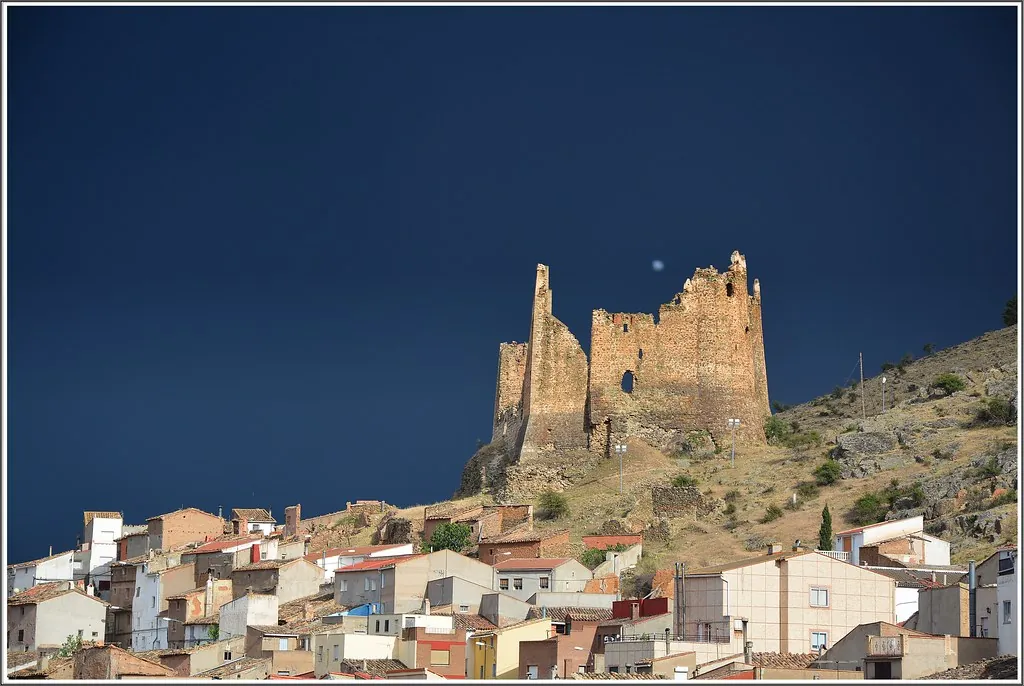
The historic centre spreads across a modest hill, its stone houses wearing their age with dignified indifference. Some retain wrought-iron balconies elaborate enough to suggest past prosperity; others slump quietly, their roofs sagging like tired shoulders. This isn't a museum piece but a working village where front doors stand open and washing flaps from upper windows. Walk the narrow lanes and you'll pass vegetable plots tucked behind stone walls, their contents changing with the seasons: broad beans and peas in spring, tomatoes and peppers in late summer.
Photographers should head for the cemetery on the western edge. Not for morbid reasons, but because the elevated position offers uninterrupted views across agricultural patchwork to the Moncayo's bulk. Dawn works best, when mist pools in the valley folds and the mountain catches first light. The gravestones themselves tell their own story: generations of the same surnames, dates stretching back to the 1700s, sudden clusters of deaths in 1938 that require no explanation.
Walking Without Pretension
This isn't hiking country in the Alpine sense. Instead, a network of agricultural tracks radiates from the village, following ancient rights of way between fields and livestock enclosures. These corrales, built from whatever stone came to hand, dot the surrounding hillsides and provide convenient destinations for gentle walks. One popular route follows the ridge south towards the abandoned hamlet of Gotor, where roofless houses slowly dissolve back into the landscape.
The Via Verde deserves mention, though it starts three kilometres away at the old railway station. This converted track bed creates a flat, family-friendly cycle route through tunnels and across viaducts towards Brea de Aragón. Bike hire isn't available locally, so bring your own or arrange rental in Tarazona beforehand.
Serious walkers use Jarque as a staging post for Moncayo ascents, though the main trailheads lie closer to San Martín del Moncayo or Tarazona. The mountain's massif creates its own weather system: clouds can roll in within minutes, turning a pleasant stroll into a navigation exercise. Proper equipment and weather awareness aren't optional extras here.
Eating on Spanish Time
Food arrives as it always has: hearty, seasonal, and when the cook decides. The single bar-restaurant, Casa Fermín, opens for breakfast around 7.30am but don't expect dinner before 9pm. Migas del pastor, those glorious fried breadcrumbs enriched with garlic, paprika and whatever meat needs using, appear on most tables. They're proper walking fuel, designed for people who've spent daylight hours guiding sheep across these hills.
Local specialities follow the agricultural calendar. Spring brings tender lamb and the first vegetables from irrigated plots. Autumn showcases game from the mountain slopes and mushrooms gathered from secret locations locals guard jealously. The wine list rarely extends beyond basic Campo de Borja bottles, but at €2.50 a glass, complaining seems churlish.
Visitors arriving outside conventional mealtimes face limited options. The village shop stocks basics but closes for siesta between 2pm and 5pm. Picnic supplies require advance planning, though the plaza mayor provides pleasant bench space for impromptu lunches bought with you.
When the Village Parties
San Miguel's feast day in late September transforms Jarque temporarily. The population swells as former residents return, drawn by family ties and the prospect of three days' celebration. Processions wind through streets strewn with rosemary and thyme, brass bands play enthusiastically if not entirely accurately, and the village's single cash machine runs dry by Saturday afternoon.
August's summer fiestas feel more intimate. Children's games in the plaza give way to jota dancing as darkness falls. These traditional Aragonese songs, performed with increasing volume as the night progresses, provide soundtrack to gatherings that feel more like family parties than tourist events. Visitors are welcomed but not catered for: you're expected to join in, not observe from behind a camera lens.
The Reality Check
Jarque de Moncayo makes no concessions to modern tourism. English isn't spoken, credit cards aren't always accepted, and mobile phone coverage remains patchy. The village's single accommodation option, Casa Rural La Parada, offers four rooms in a converted village house but books up months ahead during festival periods.
What you get instead is authenticity without the marketing brochure. A place where elderly men still play cards beneath the plane trees at 11am, where the bakery's opening hours depend on whether Doña Pilar feels like getting up early, where the mountain's presence shapes every view and conversation. It's not pretty in the picture-postcard sense, but it's real in ways that increasingly rare in rural Spain.
Come prepared for that reality. Bring walking boots and a phrasebook, patience for Spanish dining hours, and acceptance that some days the church stays locked and the bar runs out of coffee. Jarque de Moncayo rewards those who arrive without rigid expectations and leave with a clearer understanding of how Spanish village life actually functions, far from the coastal developments and city break destinations.