Full Article
about Jatiel
Ocultar artículo Leer artículo completo
The road to Jatiel drops so gradually that you barely notice the altitude shift until your ears pop. At 209 metres above sea level—low for Aragon's interior—this scatter of stone houses sits where the Ebro basin's cereal plains ripple into the first folds of higher ground. Forty-six souls call it home year-round, though the census takers might miss someone who's popped to Alcañiz for tractor parts.
The Arithmetic of Silence
Three streets meet at the stone trough that once watered mules. That's the village centre. Walk fifty paces north and you're among almond groves. Fifty south brings you to the cemetery wall. Jatiel's compactness isn't quaint—it's practical. When summer temperatures hit 38°C, nobody wants to trek far for bread. The bakery shut years ago, but the bar still opens at seven for coffee thick enough to stain the cup permanently.
The parish church anchors everything, its limestone blocks quarried from the same ridge that shadows the village. Look closely and you'll spot fossilised shells in the masonry—evidence that this dry landscape once lay beneath a prehistoric sea. The bell tower houses a single bronze cast in 1783; crack it and the note carries two kilometres across the wheat, useful when mobile coverage vanishes behind the escarpment.
Adobe walls two feet thick keep interiors cool through August and warm during January's sharp frosts. Many houses retain their original wooden balconies, the timber blackened with a mixture of olive oil and ox blood that Aragonese craftsmen swear lasts centuries. Modern aluminium shutters look wrong here, like trainers worn with a morning suit.
Walking Through Layers of Time
Maps mark paths radiating towards Codo (6km) and Torrelacárcel (9km), but these are farm tracks rather than signed routes. The wayfinding is intuitive: follow the irrigation ditch until it forks, then keep the telegraph poles on your left. Spring brings poppies and corn marigolds threading between the barley rows; by July the earth has cracked into hexagonal plates that crunch underfoot.
Birdlife favours the margins. Crested larks rise vertically singing their two-note descending scale, while black-eared wheatears flick their tails from overhead wires. Bring binoculars between October and March—short-toed eagles hunt here, gliding low enough to identify individual feathers. The local farmer claims a pair of golden eagles nested on Risco de la Muela last year, though he's been known to embellish after a second glass of garnacha.
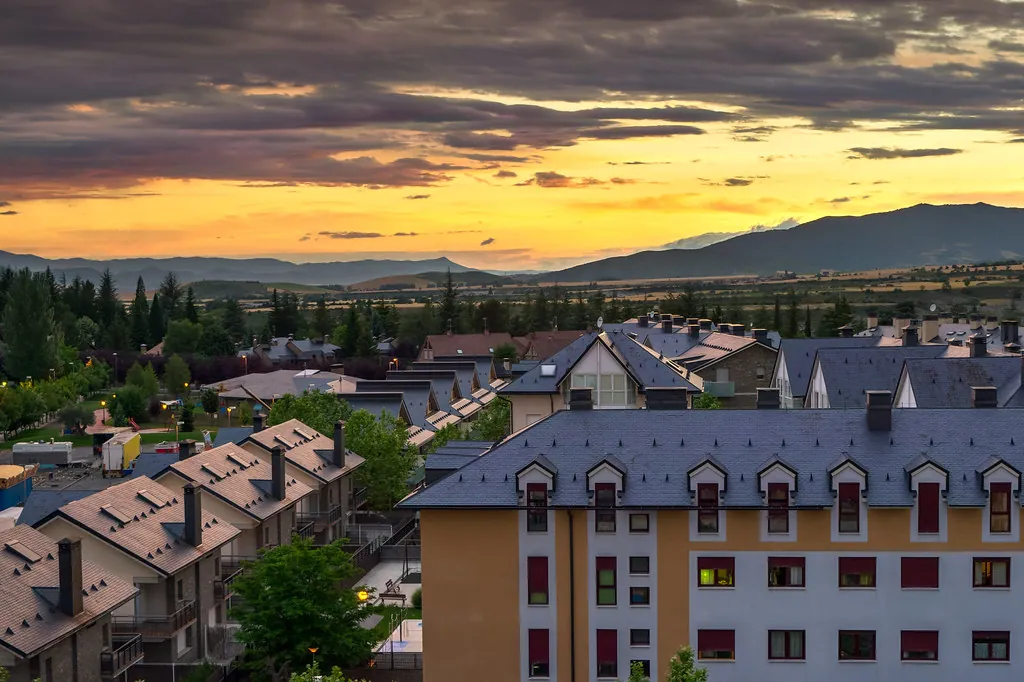
Evening walks reward the patient. As the sun sinks behind the Sierra de Alcubierre, shadows stretch eastwards like spilled ink. The temperature drops ten degrees in twenty minutes; suddenly you need that jumper you left in the car. Photographers should position themselves by the threshing circle south-west of the village—its limestone floor reflects golden light upwards, illuminating the church tower against a cobalt sky.
When the Village Wakes Up
August's fiesta quadruples the population. Former residents return from Zaragoza and Barcelona, pitching tents in olive groves because every spare bed vanished months ago. The weekend centres on the plaza de toros improvised from straw bales; tickets cost €15 and include a plastic cup of calimocho that improves as the afternoon progresses. Saturday night's paella feeds 400 people using rabbits shot the previous week—arrive early to secure a wooden spoon and position near the serving point.
Music starts at midnight and continues until the Guardia Civil suggest otherwise. Traditional jota dancing gives way to reggaeton around 2am; by then the teenage cousins who haven't met since last summer are comparing tattoos and university plans. Someone's grandfather inevitably produces a flask of moonshine distilled from leftover Muscat grapes. It tastes of aniseed and poor decisions.
The following morning's procession provides gentle penance. Locals carry the Virgin two circuits around the village boundary, pausing at each corner shrine for prayers and cigarettes. Visitors are welcome to join; women traditionally cover their heads with black lace, though a borrowed baseball cap won't cause offence. The priest walks backwards sprinkling holy water onto parched soil that hasn't seen rain since June.
Practicalities for the Curious
Reaching Jatiel requires commitment. From London, fly to Zaragoza (2h 20m from Stansted with Ryanair), then drive 90 minutes south-east via the A-23 and N-211. Car hire is essential—public transport involves three buses and a taxi, assuming the driver can be persuaded to leave Alcañiz city limits. The final 12km twist through almond plantations where wild boar emerge at dusk; drive accordingly.
Accommodation options remain limited. The Albergue de Jatiel offers seven simple rooms above the village shop, twins from €35 including breakfast of toasted bread with tomato and olive oil. Bathrooms are shared but spotless; request the south-facing room for sunrise views across the Matarraña valley. Alternatively, stay in Alcañiz's Parador (25km) and visit as a day trip, though you'll miss the night skies that earned Starlight Reserve status.
Eat where locals eat—that means Carmen's bar for migas fried in chorizo fat, or the weekend grill that sets up beside the petrol station in neighbouring Codo. Order chuleton for two (€38) served rare on a wooden board with grilled peppers and a bottle of Somontano that costs less than water back home. Vegetarians should request escalivada, though it'll arrive topped with anchovies unless you specify otherwise.
The Unvarnished Truth
Jatiel won't suit everyone. August visitors should prepare for 40°C heat and mosquitoes rising from the irrigation channels. Winter brings the opposite problem—night temperatures drop below freezing and the albergue's heating struggles after midnight. Mobile signal disappears inside stone buildings; WhatsApp withdrawal symptoms peak around day two.
The village offers no souvenir shops, no guided tours, no Instagram moments beyond sunset over the cereal sea. What remains is Spain before tourism—a place where neighbours still share olive presses and slaughter pigs according to lunar calendars. Come prepared to slow down, to drink coffee at 10pm without checking your watch, to understand why 46 people choose isolation over convenience.
Leave before dawn on your final morning. As you crest the hill towards the main road, look back—Jatiel's lights scatter across the darkness like fallen stars. Then they're gone, and you're left with the smell of woodsmoke and the realisation that places this quiet are becoming extinct.