Full Article
about Josa
Ocultar artículo Leer artículo completo
The church bell strikes noon, and nobody stirs. Thirty-seven residents, one bar (open Saturdays if you're lucky), and a village that sits 772 metres above sea level yet feels closer to the sky than to anywhere else. Welcome to Josa, where the Spanish interior has given up trying to impress anyone.
This isn't one of those villages that tourism forgot. It's one that tourism never knew existed, tucked into the Cuencas Mineras region of Teruel province like an afterthought between folds of pine-covered hills. The road here from Teruel city winds through 65 kilometres of increasingly empty landscape, past abandoned farmhouses that stare blankly through empty window frames. By the time you reach Josa, you've already absorbed the area's main lesson: space is cheap, but company is dearer.
Stone, Silence, and the Art of Staying Put
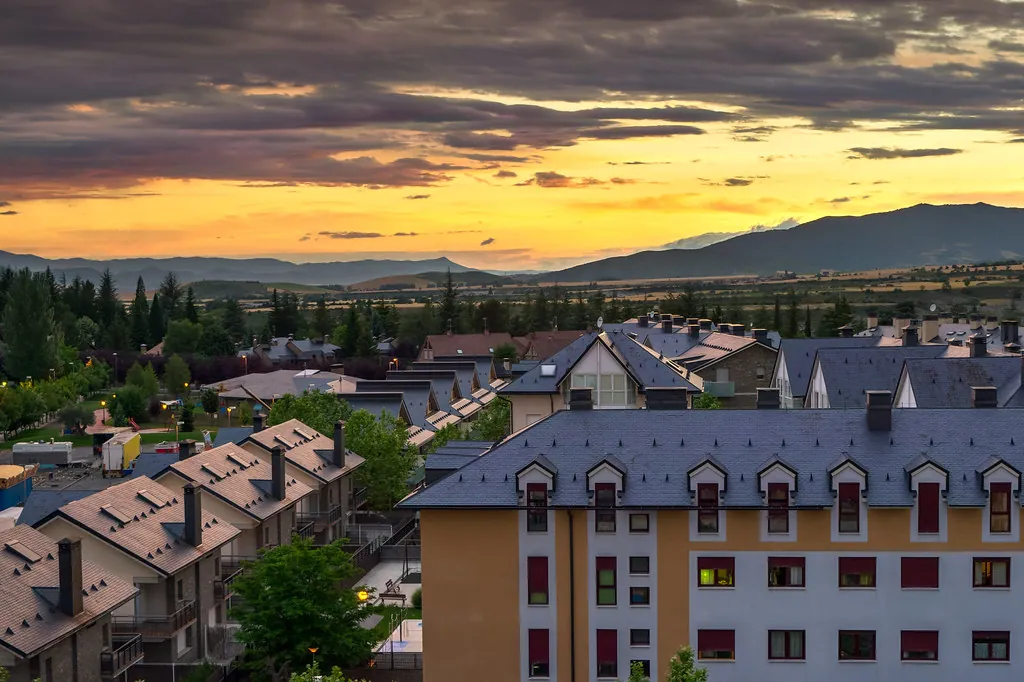
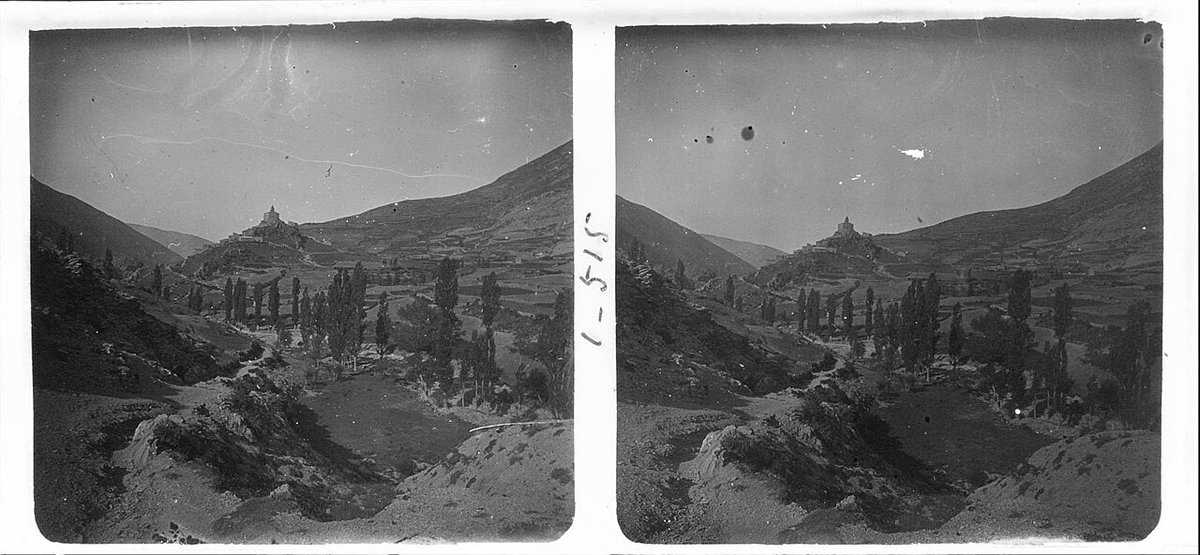
Josa's architecture tells its own blunt story. Stone houses with Arabic tiles climb loosely around the parish church of San Miguel Arcángel, whose simple bell tower has marked time since generations before anyone thought to write it down. These aren't the manicured stone façades of tourist Spain. Walls bulge where they've settled, timber doors hang slightly askew, and the whole place looks like it's breathing slowly after centuries of standing still.
Inside the church, the interior speaks of practical faith rather than grandeur. Local craftsmen carved what needed carving, painted what needed painting, and stopped when the job was done. The result feels honest in a way that cathedral cities have forgotten – this building served farmers who needed hope more than they needed gold leaf.
Wander the single main street and you'll spot the tell-tale signs of rural Aragón's past life. Stone corrals where sheep once jostled for space, haylofts with beams blackened by centuries of harvest storage, houses built shoulder-to-shoulder because winter winds here carry teeth. The village maintains its layout not through heritage grants but through sheer stubbornness. When you've only got 37 neighbours, you don't knock walls down on a whim.
Walking Into Nothing, and Finding Everything
The real Josa begins where the tarmac ends. Footpaths radiate from the village like spokes, following ancient drove roads that once funneled livestock between summer and winter pastures. None are signposted in that overly helpful National Trust manner. Instead, you're following routes that sheep remember even when people forget. Take the track southeast towards the Rambla de Josa, and within twenty minutes the village shrinks to a grey smudge between hills. Keep walking, and you'll understand why locals measure distance in time rather than kilometres.
The landscape here operates on its own colour scheme. Pine green, yes, and the grey-green of olive trees where someone still bothers to harvest. But mostly it's a study in ochres and burnt siennas, soil colours that shift with the light from terracotta to rust. Buzzards wheel overhead, easy to spot against big skies that feel borrowed from somewhere much further west. The silence isn't absolute – there's always wind through pine needles, the distant clank of a sheep bell, your own boots scuffing dry earth – but it's comprehensive enough to make city folk speak in whispers.
Spring brings the best walking, when wildflowers briefly colonise the scrubland and temperatures hover in the low twenties. Autumn runs a close second, painting the surrounding oaks in colours that would make a Cotswold village green with envy. Summer walks demand early starts; by midday the sun turns these hills into a natural furnace, and shade becomes more valuable than wine. Winter hiking offers solitude but requires respect – when snow falls, it isolates villages for days, and mobile reception died of loneliness years ago.
The Gastronomy of Making Do
Let's be honest about Josa's culinary scene. There isn't one. The village supports no restaurants, no tapas bars, no Sunday market where cheerful grandmothers sell homemade cheese. What Josa offers instead is proximity to ingredients that supermarkets have rendered exotic. During autumn's mushroom season, locals become suddenly sociable, sharing intelligence about where the best níscalos (saffron milk caps) have appeared after rain. The village's few remaining gardens still produce tomatoes that taste like tomatoes, and beans dried on lines strung between houses.
For meals, you'll drive twenty minutes to Montalbán or forty to Teruel. Stock up accordingly. The village's single shop closed when its proprietor died in 2018, and nobody's rushing to fill that commercial gap. This is self-catering with consequences – forget the olive oil and you'll be knocking on neighbours' doors, practising your Spanish and your humility in equal measure.
When The Village Comes Home
September's fiesta transforms Josa entirely, though transformation here is relative. The feast of San Miguel brings back those who left for Barcelona or Madrid, cars clustering around the church like metal pilgrims. Suddenly there are children playing in streets that usually see nothing faster than a wandering cat. The village square hosts a communal paella cooked in pans big enough to bathe toddlers, and someone's uncle always brings a sound system that plays Spanish pop from the 1980s until even the dogs look embarrassed.
These three days reveal Josa's true purpose. It's not a place to live – not really, not anymore – but a place to remember living. The returned emigrants spend hours pointing out where the bakery used to stand, where their grandfather kept pigs, which house hosted their first teenage kiss. By October's first week, the cars have departed, the square is swept clean of rice grains, and Josa settles back into its real business of quiet endurance.
Practicalities for the Curious
Getting here requires commitment. Public transport doesn't. The nearest train station sits in Teruel, and buses reach Montalbán three times weekly if the driver's feeling optimistic. Hire cars become essential, preferably something that doesn't mind gravel tracks or the occasional suicidal goat.
Accommodation means renting one of three village houses restored by descendants who couldn't bear to sell the family home to foreigners. Expect thick stone walls, wood-burning stoves, and Wi-Fi that operates at 1990s dial-up speeds. Prices hover around €60-80 per night, cheaper than city hotels but expensive considering you're paying for the privilege of isolation. Book directly through the village's unofficial coordinator – ask at the bar when it's open, or phone Maria (everyone knows Maria) on +34 978 XXX XXX. She'll find you a bed, though she might find your interest more surprising.
Bring walking boots, obviously, but also pack layers. Mountain weather here shifts faster than British politics, and that innocent-looking cloud can dump twenty minutes of horizontal rain before you've located your waterproofs. The village sits high enough that nights stay cool even in August, and December's frost can linger until elevenses.
Josa won't change your life. It won't feature on Instagram feeds or appear in glossy Sunday supplements. What it offers is rarer – the chance to experience Spain's interior as it actually exists, rather than as tourism brochures wish it would be. Come prepared for silence, self-reliance, and the unsettling realisation that thirty-seven people have chosen to maintain a village that the world forgot. They don't need your admiration, but they might appreciate your company, provided you don't expect them to entertain you.