Full Article
about La Muela
Ocultar artículo Leer artículo completo
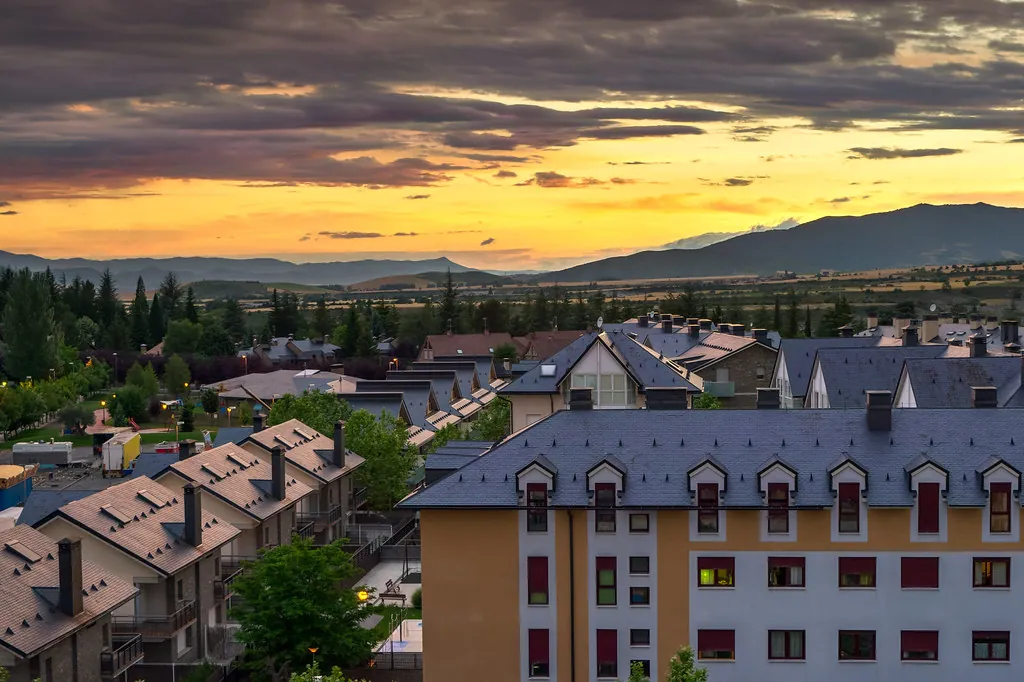
The first thing you notice is the ridge bristling with wind turbines, their blades glinting like slow-motion propellers above the cereal fields. From the A-68 autovía they look almost sculptural, a twenty-first-century palisade guarding the lip of the Ebro basin. Then the road tilts upwards, the temperature drops a perceptible two degrees, and La Muela appears—less a hill town, more a 1960s suburb that has wandered twenty kilometres from Zaragoza and forgotten to turn back.
At 600 m above the valley floor, the village catches every draught the Cierzo wind cares to throw at it. That constant breeze explains both the turbines and the fact that locals still hang washing on roof terraces without fear of mildew. It also explains why April feels like a Hampshire spring while August feels like Seville with the oven door open. Come in May, when the asparagus fields flash white stalks above their ridged earth, and you’ll get the place at its best: warm sun, cool air, and tables outside the Bar Centro that stay busy until the 10 p.m. bus disgorges its last commuters.
A plateful of plateau
Aragonese cooking is built for altitude. The morning’s hike—nothing strenuous, just the 8 km loop past the ruined windmill to the south—will justify a quarter-kilo of ternasco, the milk-fed lamb that appears on every menu. Order the medio portion for two; it arrives pink, edged with crackling fat, and tastes more like young mutton than the Welsh mountain variety most Brits know. The house red from Campo de Borja (€12 a bottle in the restaurant, €4 in the bodega opposite) has enough garnacha fruit to cut through the richness without demanding a siesta afterwards.
Vegetarians do better than you’d expect. April to June is asparagus season, and the fat white spears grown on the sandy riverbank are grilled to order, then served with a punchy alioli that owes more to garlic than egg. The frozen stuff arrives in July; by September it’s tinned and only the grandparents bother. If you’re self-catering, the Friday market in Plaza España sells bundles for €3 a kilo—half the supermarket price and a quarter of what Borough Market would dare to charge.
Concrete, yes—character, still
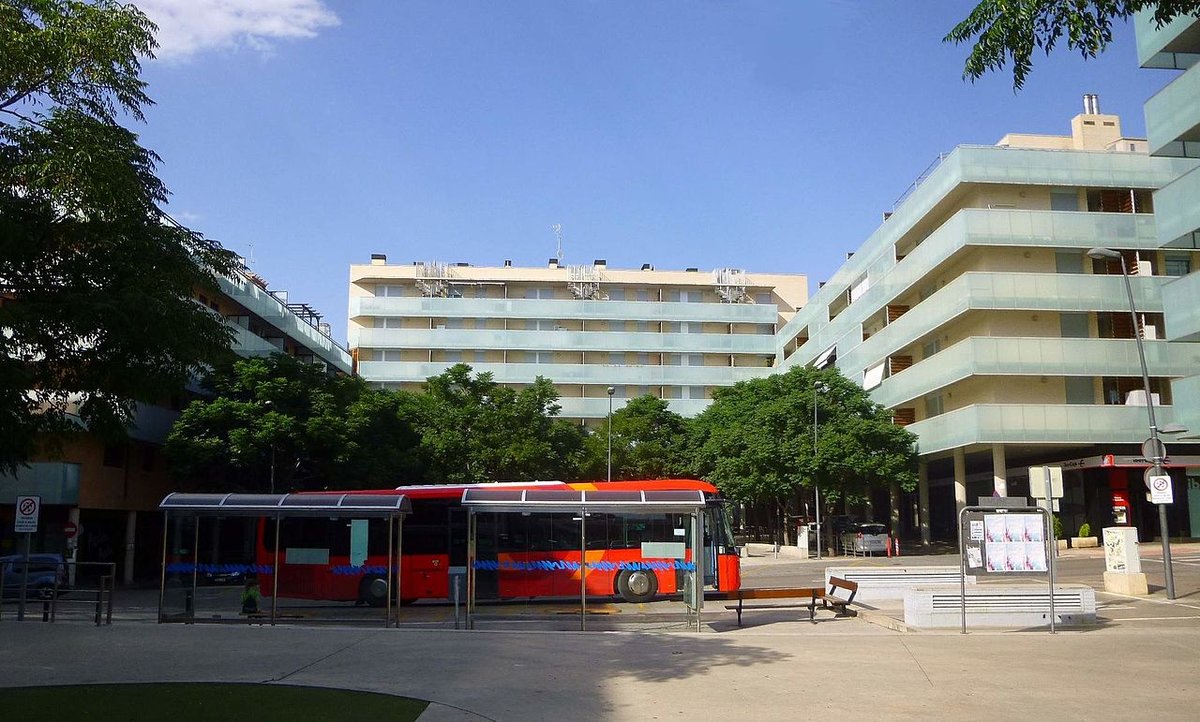
Guidebooks like their Spanish villages honey-coloured and medieval. La Muela will disappoint on that score. The old centre is only four streets deep, stone houses patched with brick, the 16th-century church tower held together by steel hoops after the last earthquake swarm. Around it spreads a grid of flat-roofed apartment blocks thrown up during the 1970s rush for cheap city labour. The architecture won’t win prizes, yet the place works: bakeries open at 7 a.m., children still walk home alone from school, and the evening paseo clogs Calle Mayor long after the shops have shut.
Sunday lunchtime is when the town remembers how to smile. Families who left for Zaragoza or Barcelona squeeze extra chairs around restaurant tables, grandparents pour cubalitros of beer for teenagers who are legally too young, and the volume rises until even the waiters join the chorus. Try Bodegas La Villa for the full theatre—book ahead, turn up late, and expect to share your table with a solicitor from Delicias and her aunt who remembers when the main road was still dirt.
Windmills old and new
Walk 2 km north-east along the signed track from the municipal pool and you reach the 14th-century Molino de San Juan. Only the stone base remains, but it sits exactly on the escarpment, so the view south stretches across the Ebro’s irrigation circles to the faint blue wall of the Moncayo massif. Turn 180 degrees and the modern turbines hiss overhead, each blade the length of a commuter train. The contrast is blunt: one set of vanes ground grain for a few hundred peasants, the other powers a city of 700,000. Yet the ridge has always been about harnessing wind; only the technology and the profit margins have changed.
If you want a closer look at the contemporary giants, pick up the free leaflet Ruta Eólica from the tourist office. The signed drive (or cycle) threads 12 km between turbines numbered like gallery exhibits. At sunset the blades silhouette against the Pyrenees, and the hum is oddly soothing—more white noise than industrial throb. Just don’t expect a visitor centre; this is still a working plant, hard-hats compulsory beyond the car park.
Practicalities without the clichés
Ryanair and easyJet fly direct to Zaragoza from Stansted and Manchester between March and October. A pre-booked Seat 600-sized car costs £90 for four days, petrol included, and the airport is ten minutes from the motorway. Without wheels, take the airport bus to Delicias station, then regional bus 201: it leaves hourly until 20:30 (22:00 on Fridays) and costs €4.20 each way. Taxis from the airport to La Muela are a fixed €45—worth it if you arrive after the last bus.
Accommodation is split between two worlds. In the old centre, Hostal San Miguel has twelve spotless rooms overlooking a quiet plaza; doubles €55, breakfast an extra €6 and good enough to skip lunch. Out on the newer ring-road, the golf resort of La Penaza offers apartments with kitchens from €70 mid-week, plus a nine-hole course that charges €38 for eighteen holes if you tee off before 10 a.m. Check the map before you book: several “rural cottages” are actually semi-detached houses on 1990s estates, handy for the supermarket but short on charm.
Weather is straightforward: May and October give you 23 °C days and 10 °C nights; July and August push 36 °C by noon and the wind feels like a hair-dryer. Winter is crisp, often below freezing at night, yet the roads stay clear and the lamb stew tastes even better. Whatever the season, bring a light jacket for the evening—the altitude makes sunsets spectacular and temperatures plummet once the sun dips behind the turbines.
When the fiesta ledger matters
The asparagus fair (Feria del Espárrago) lands in late April, a one-day street-market affair with tastings and a communal grill in the main square. It’s free, low-key, and over by 6 p.m. The patron-saint fiestas in mid-August are another story: brass bands until 4 a.m., dodgem rides wedged between apartment blocks, and a bull-run that uses heifers instead of bulls. Accommodation triples in price and the only parking is a 20-minute walk away. Join in if you like your sleep rationed; otherwise pick any other week and the town is yours.
La Muela will never make the cover of a glossy Spain supplement. It lacks the polished stone of Albarracín, the wine-cellars of Haro, the river-beach of Cazorla. What it offers instead is a working slice of upland Aragón: affordable food, straightforward walks, and a vantage point from which to watch twenty-first-century Spain figure out how to keep its small towns alive. Turn up expecting rustic fantasy and you’ll leave early. Arrive hungry, mildly curious, and with a tolerance for turbine noise, and you might find yourself still at the bar when the waiter starts stacking chairs, arguing about football and wondering why British lamb never tastes quite like this.