Full Article
about La Viluena
Ocultar artículo Leer artículo completo
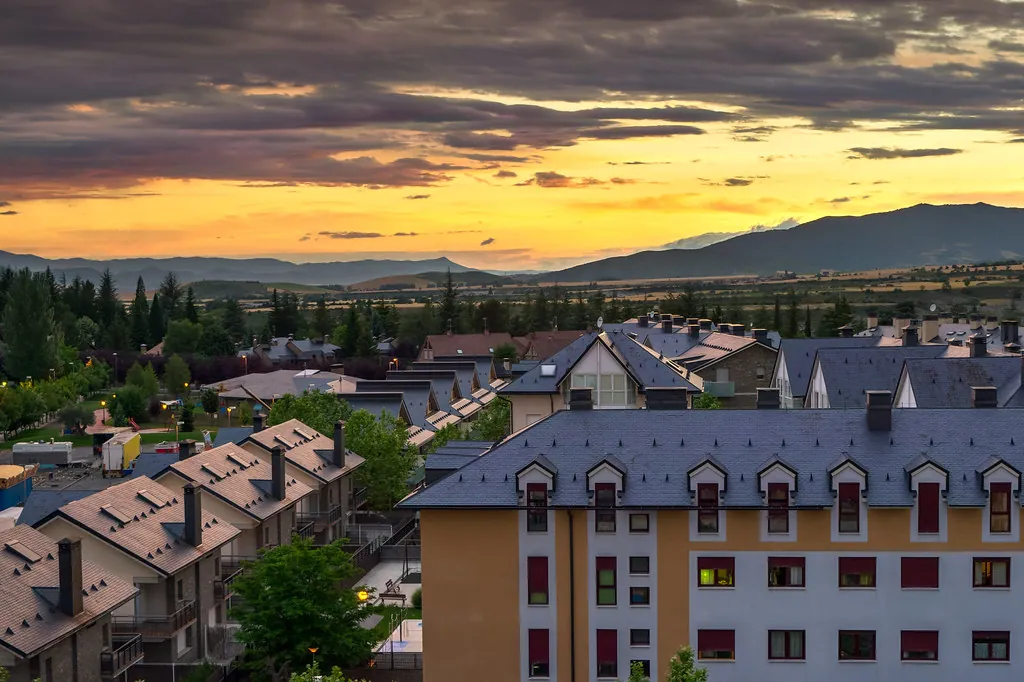
The church bell tolls twelve times, yet nobody appears. Lunchtime in La Viluena happens without fanfare, behind wooden shutters painted the same green as the surrounding wheat fields. At 700 metres above sea level, this scattering of stone houses feels higher than it sounds—the air carries a clarity that makes the cereal plains below shimmer like the Mediterranean on a hazy day.
Seventy kilometres west of Zaragoza, the village squats on a modest ridge where the Meseta Central begins its climb towards the Iberian System. The altitude matters more than the modest height suggests. Summer temperatures hover five degrees below the furnace of the Ebro valley, while winter brings proper snow that can cut road access for days. Spring arrives late but dramatic—green erupts across the surrounding steppe with an intensity that makes the landscape appear almost irrigated.
The Architecture of Survival
No grand squares or cathedral facades here. La Viluena's builders worked with what the land provided: ochre limestone from nearby quarries, timber beams from sparse holm oak groves, and clay tiles fired in local kilns now long abandoned. The result ranks among Aragon's most coherent examples of rural masonry construction, where even the newer houses respect the golden proportions established centuries earlier.
The parish church of Nuestra Señora de la Asunción dominates this modest skyline through simplicity rather than scale. Medieval builders constructed what amounts to a fortified barn—thick walls pierced by narrow windows, a squat tower that served as both belfry and refuge from bandits. Inside, the baroque retablo glows with gilt paint applied by craftsmen who never saw the sea, creating wave patterns that mimic what they imagined oceans might look like. Finding the church open requires asking at the house opposite—look for the elderly woman who waters geraniums at precisely eleven each morning.
Wandering the three main streets reveals architectural fossils of agricultural life. Dovecotes perch on rooflines like miniature castles, their entrance holes blocked against modern pigeons. Granary doors stand twelve feet tall, built for loading wheat sacks onto mule carts. Many houses retain their original bread ovens—domed chambers attached to exterior walls where entire neighbourhoods once queued to bake the weekly loaf. These details survive because La Viluena never attracted wealthy patrons eager to modernise. Poverty preserved authenticity.
Walking Through Four Seasons
The village serves as an excellent base for understanding Spain's cereal steppe ecosystem, one of Europe's most threatened habitats. Four waymarked paths radiate outward, each revealing different aspects of this working landscape. The shortest loop—three kilometres to the abandoned hamlet of Los Rincones and back—takes ninety minutes if you stop to examine the dry-stone walls that predate Roman occupation. These walls support lizard populations found nowhere else in Aragon, their colours matching the local stone with uncanny precision.
Serious walkers should tackle the eight-kilometre route to Villarroya del Campo, crossing the Arroyo de la Dehesa where black-winged kites hunt above reed beds. The path climbs gradually through wheat fields that shift colour hourly—silver-green at dawn, gold at midday, amber as the sun drops behind the Sierra de Vicort. Spring brings the spectacle of steppe birds displaying: great bustards perform their mating dance on bare patches of ground, while calandra larks sing continuously from molehill perches.
Summer walking demands early starts. By ten o'clock, heat shimmer obscures the path and the only shade comes from isolated almond trees whose trunks bear the scars of generations harvesting with hooked poles. Autumn proves ideal—clear air extends visibility to fifty kilometres, revealing the Pyrenees on exceptional days. Winter transforms the landscape completely. Frost turns stubble fields white, and the village's elevation means proper snow several times yearly. The same paths become cross-country ski routes, though you'll need to break trail yourself—locals use cars.
Eating Between Harvests
Food here follows agricultural rhythms rather than restaurant schedules. The village's single bar opens at seven for agricultural workers, serves coffee until eleven, then closes until evening. Don't expect menus in English—communication involves pointing at what others are eating. The speciality proves surprisingly sophisticated: migas revueltas, breadcrumbs fried with garlic and grapes, then enriched with local chorizo whose paprika content varies according to family recipes guarded more closely than bank PINs.
Those requiring formal dining should book at Entrefrutales, the converted farmhouse on the village edge. Here Pilar and Miguel serve set menus based entirely on their own production—vegetables from the walled garden, lamb from flocks grazing visible through the windows, wine from vines planted by Miguel's grandfather. The fixed price of €25 includes four courses and demonstrates how Aragonese country cooking earned its reputation for feeding people properly. Reserve before arrival—Pilar shops daily based on confirmed bookings.
Self-caterers face limited options. The mobile shop visits Tuesday and Friday at eleven, selling basics plus excellent local cheese made from Manchega sheep milk. Calatayud's supermarkets lie twenty minutes away by car, though the road demands attention—it's single-track for the final stretch, with wheat lorries appearing suddenly around bends.
Practicalities Without Pampering
Reaching La Viluena requires commitment. No public transport serves the village—hire cars from Zaragoza airport (75 minutes) or take the high-speed train to Calatayud then taxi the final 25 kilometres. The last ten kilometres follow the CV-412, a road that narrows alarmingly but rewards with views across the Jalón valley. Winter visitors should carry snow chains—the altitude means sudden weather changes that catch out drivers accustomed to milder Spanish climates.
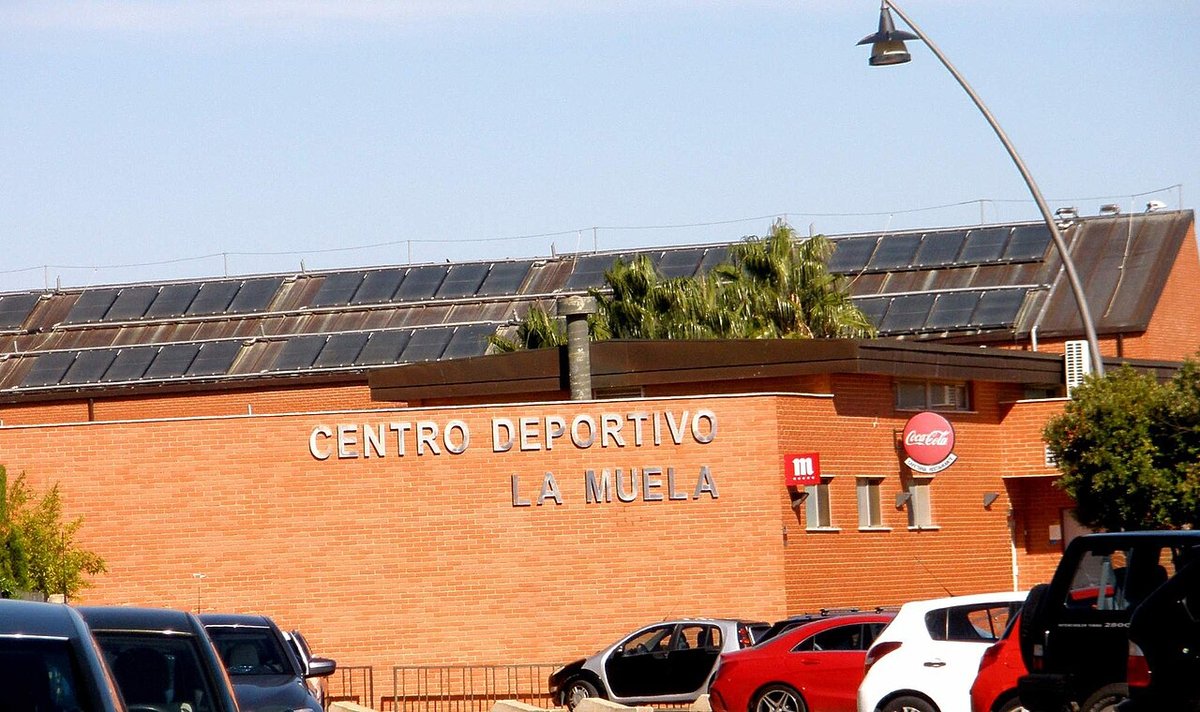
Accommodation options remain limited. Entrefrutales offers four double rooms from €60 nightly, including breakfast featuring homemade jam and eggs from chickens whose names you'll learn. Alternative options lie in neighbouring villages—Cimballa provides basic hostal accommodation, while Calatayud offers chain hotels around the historic centre. Camping isn't officially permitted, though the village mayor (ask at the bar) sometimes allows overnight parking for campervans near the sports ground.
Essential kit varies by season. Spring demands waterproof footwear—the steppe receives most precipitation between March and May, transforming paths into clay that clogs boot soles. Summer requires serious sun protection plus two litres of water per person for longer walks. Autumn brings stable weather but cold mornings—layers prove essential. Winter visitors need full mountain gear—temperatures drop below freezing most nights, and wind across the exposed plateau makes it feel colder.
The village offers no cash machine, petrol station, or pharmacy. The medical centre opens two mornings weekly; emergencies require the twenty-minute drive to Calatayud's hospital. Mobile phone coverage exists but proves patchy—Vodafone works near the church, Orange requires walking to the village edge. This isn't negligence—it's simply how life functions when population density drops below two people per square kilometre.
La Viluena won't suit everyone. Those seeking tapas trails, boutique shopping, or nightlife should stay elsewhere. But for travellers wanting to understand how Spain's interior survived centuries of marginal existence, this modest village provides unfiltered access to a way of life that elsewhere survives only in folk museums. Come prepared, tread lightly, and the village might just reveal why sixty-five people choose to remain tied to this particular patch of high plateau, growing wheat beneath skies that still darken completely when the moon is new.