Full Article
about Lagata
Ocultar artículo Leer artículo completo
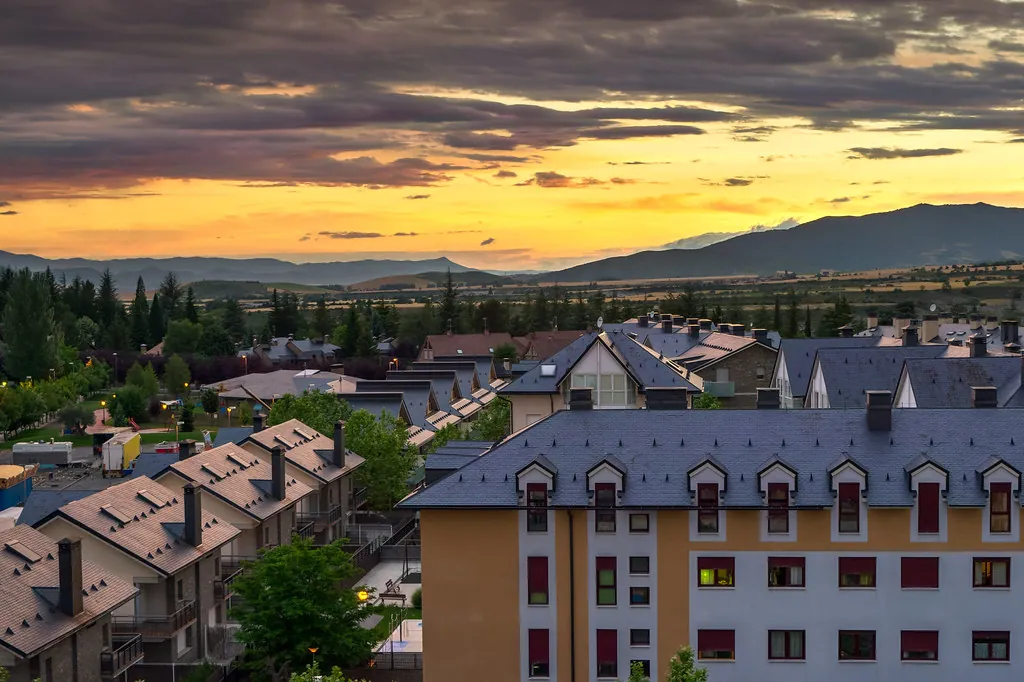
The church bell strikes noon, yet only a handful of swallows circling the mudéjar tower mark the hour. In Lagata, population 109, time moves to the rhythm of wheat fields rippling beyond the stone houses rather than any clock. This diminutive village, perched 518 metres above the Campo de Belchite, offers something increasingly rare in modern Spain: absolute quiet broken only by the wind.
The Village That Refused to Shout
Lagata makes no effort to impress. Its single-storey houses, built from honey-coloured stone and brick, line three short streets that converge on a modest plaza. No banners proclaim heritage status, no gift shops sell fridge magnets. The parish church, dedicated to San Pedro, stands plain-faced with its rectangular tower and simple arched doorway. Inside, the walls retain centuries of candle smoke and the faint smell of incense from last Sunday's mass.
What the village lacks in monuments it compensates for in authenticity. María, watering geraniums outside her house on Calle Mayor, explains that her family has lived here for five generations. "We don't need tourists," she says, though she's happy to direct lost walkers towards the old sheep path that climbs towards the ridge. The rhythm of life remains stubbornly agricultural: early starts, siesta at two, evening strolls at seven.
The surrounding landscape defines Lagata more than any building. Aragonese steppe stretches in undulating waves of cereal fields, interrupted by dry gullies and the occasional almond grove. It's countryside that reveals itself slowly. Initially harsh under the summer sun, it softens towards evening when long shadows paint the hills purple and gold. Spring brings carpets of wild poppies between the wheat rows; autumn turns everything the colour of burnt toast.
Walking Through Empty Kingdoms
Lagata functions best as a base for exploring the Campo de Belchite on foot or bicycle. A network of dirt tracks, originally drove roads for moving sheep, radiates from the village into territory where golden eagles soar and little bustards hide in the long grass. The Ruta de las Escuelas, a 12-kilometre circuit passing abandoned schoolhouses and threshing floors, takes about three hours including stops for binocular work. Spring walkers might spot great bustards performing their bizarre mating dance, while autumn brings migrating honey buzzards riding thermals above the fields.
The village sits on the GR-90 long-distance path, though few hikers tackle this arid section compared to the Pyreneean stages further north. Those who do are rewarded with complete solitude. The path drops into the Rambla de las Mulas, a dry riverbed where fossilised seashells testify to this land's oceanic past, before climbing to agricultural terraces abandoned during the 1960s rural exodus.
Cycling requires sturdy tyres and ample water. The road to Belchite, eight kilometres southeast, passes through landscapes that witnessed fierce fighting during the Civil War. Olive trees planted in the 1950s now mark old trench lines. Local farmer José Antonio sometimes leads history walks, pointing out bullet scars on abandoned farm buildings and explaining how villagers hid in caves during the bombardment.
What Appears on Tables
Food here follows the agricultural calendar without pretension. In the village's single bar, open sporadically depending on owner's family commitments, migas arrive studded with chorizo and grapes during autumn harvest. Winter means hearty gachas, a thick porridge of flour, water and wild mushrooms, served with a poached egg floating like a tiny moon. Spring brings tender leeks stewed with potatoes and whatever meat the local hunter provides – rabbit, occasionally partridge if the season's been kind.
The bakery in neighbouring Lécera, six kilometres distant, delivers bread twice weekly. Villagers place orders by leaving plastic bags hanging on their doors – a system that's functioned for thirty years without written records. Thursday sees the mobile fish van from Valencia, its arrival announced by horn blasts that echo off stone walls. Fresh hake and sardines sell quickly; arrive late and you'll find only frozen squid rings and disappointment.
Local wine comes from cooperatives in Cariñena, thirty kilometres west. The robust red, sold in plastic five-litre containers for eight euros, accompanies most meals. During fiesta weekends, someone inevitably produces a bottle of moonshine anís, clear as water and twice as dangerous. Drinking it involves elaborate toasting rituals and usually ends with someone singing Aragonese folk songs slightly off-key.
When Silence Breaks
Lagata's annual fiesta, honouring the Virgin of the Assumption, transforms the village during the third weekend of August. The population swells to perhaps 400 as former residents return with city-raised children and bootloads of supplies. Temporary bars appear in the plaza, serving Estrella Galicia and tapas until dawn. Saturday's highlight involves dragging a sound system into the street for dancing that continues until Guardia Civil politely request volume reduction at 4am.
The rest of the year passes quietly. Semana Santa sees a modest procession: fifteen people following a small cross and banner, walking the village perimeter while someone recites the rosary through a crackling loudspeaker. Christmas means midnight mass followed by hot chocolate and homemade biscuits in the church porch. New Year's Eve celebrations finish by 1am – villagers have animals to feed regardless of calendar changes.
Access remains the biggest challenge. The road from the A-2 motorway involves twenty minutes of winding country lanes where encountering another vehicle warrants cheerful waves. Winter fog can reduce visibility to metres; summer dust creates its own meteorological conditions. Hire cars should be robust – the final approach involves navigating streets barely wider than a London taxi.
Practical Realities
Accommodation means staying in nearby villages. Casa Rural La Malena in Azuara, fifteen kilometres north, offers three bedrooms from €60 nightly, though you'll need Spanish to negotiate booking. Most visitors base themselves in Zaragoza, making Lagata a day trip combined with the Civil War ruins at nearby Belchite. Bring everything you need: the village shop closed in 2008, replaced by nothing at all.
Mobile phone coverage is patchy at best; download offline maps before arrival. The village fountain provides drinkable water, though carrying your own prevents dehydration during summer walks when temperatures regularly exceed 35°C. Spring and autumn offer the best combination of mild weather and birdwatching opportunities.
Lagata won't change your life. It offers no epiphanies, sells no souvenirs, promises no transformative experiences. What it provides is increasingly precious: a place where Spain continues as it always has, indifferent to Instagram trends or travel bucket lists. The village simply exists, indifferent to whether you visit or not. In an age of curated experiences and manufactured authenticity, this stubborn ordinariness feels almost revolutionary.