Full Article
about Lagueruela
Ocultar artículo Leer artículo completo
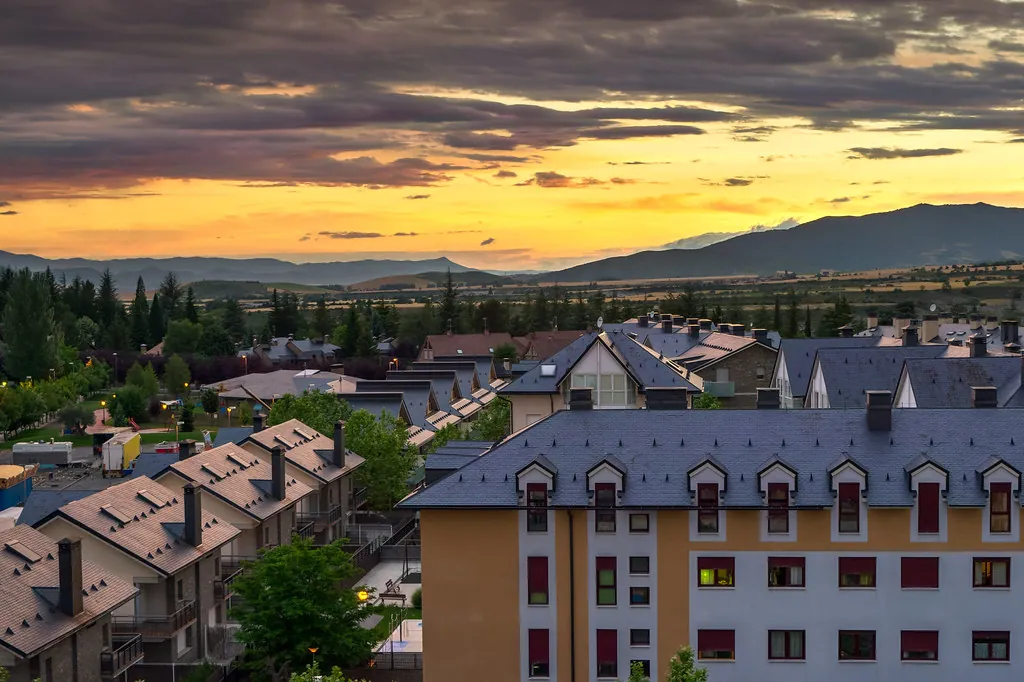
The evening breeze carries woodsmoke and church bells down Calle Mayor at 1,066 metres above sea level. Lagueruela, perched on a ridge of the Iberian Chain, is barely a smudge on most maps of Aragon, yet its stone houses have watched the Jiloca valley for longer than any living memory. At this height the air thins just enough to sharpen appetites and shorten tempers; locals claim the altitude keeps their village honest.
Stone that remembers
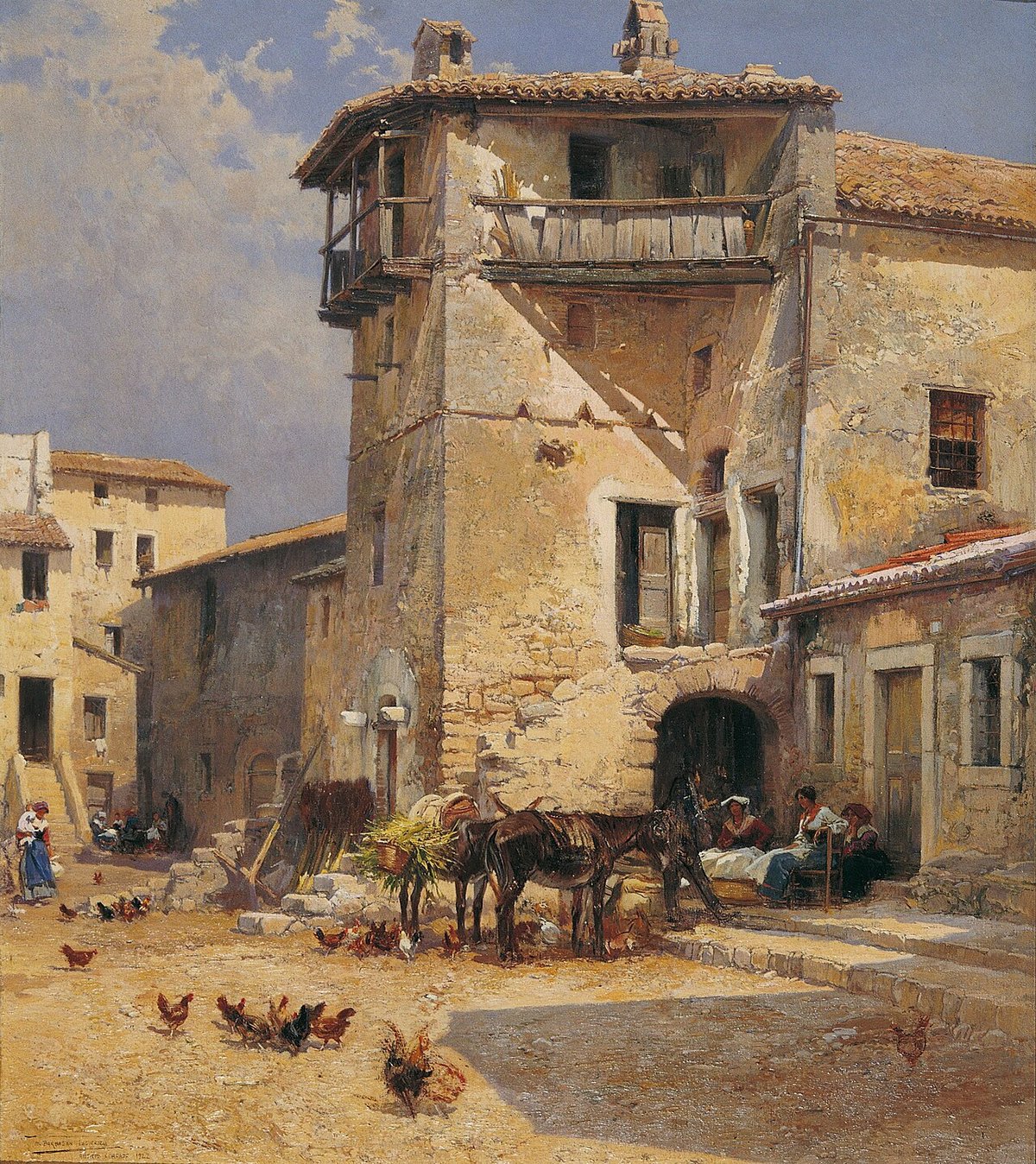
Every wall in Lagueruela is built from the same honey-coloured limestone that lies beneath the fields. Walk the four main streets—Mayor, Arriba, Baja and the misnamed Rincón Ancho—and you'll see how masons stacked the strata, leaving fossil shells visible like small grey signatures. Houses rise two storeys, occasionally three, their Arabic tiles terracotta against the sky. Iron balconies, forged in the 1920s by a blacksmith who emigrated to Zaragoza and returned with new patterns, still support geraniums that survive the winter frosts.
The village church, San Miguel Arcángel, stands at the highest point not for prestige but because the ground was the only level patch available. Its squat tower houses a bell cast in 1783; the crack running down one flank was caused by a lightning strike during the Civil War, yet the tone remains clear enough to carry across the cereal terraces. Inside, the single nave smells of beeswax and burnt dust; the priest arrives only twice a month, so neighbours take turns unlocking the door at sunrise so the building can breathe.
Outside, the plaza is a rectangle of cracked concrete flanked by two bars. One opens at six for coffee and churros, the other at eight for wine and conversation; between them the village conducts its daily parliament. Pensioners occupy the metal benches facing south, tracking the sun like human sundials. Teenagers cluster round the recycling bins, phones glowing, until someone's grandmother shouts that it's time for lunch.
Working land, changing sky
Lagueruela owns no famous views, yet the landscape keeps shifting. Spring brings a brief, almost English green to the terraces before the sun bleaches everything to parchment. Wheat and barley alternate with patches of lentils; the latter turn ochre in June and rattle like dried peas when the wind rises. Ancient irrigation channels, fed by a spring above the village, still water small vegetable plots where onions and chard survive on rationed drops.
Footpaths strike out from the last streetlamps into pine and oak. The GR-90 long-distance trail passes two kilometres south, but local routes are better: follow the yellow arrows painted on stones and you can loop through the Solana valley in ninety minutes, meeting only the occasional shepherd on a moped. Higher up, limestone outcrops provide nesting ledges for crag martins and the odd griffon vulture; bring binoculars between October and March and you'll see winter visitors from the Pyrenees that never make the coast.
Mushroom season arrives after the first October rains. Families disappear at dawn with wicker baskets and pocket knives; the law allows two kilos per person of níscalos and rovellons, nothing more. Ask politely in the plaza and someone will draw you a mud-map of last year's spots, though they may omit the exact gully where their grandmother found a cauliflower fungus the size of a football.
Food that sticks to the ribs
There are no tasting menus, no chef with a beard and tweezers. The daily set lunch at Bar Alixar—€12 including wine—starts with migas: stale bread fried in olive oil with garlic and grapes, a dish invented to use up the week's leftovers. Next comes ternasco, milk-fed lamb roasted until the skin shatters, served with chips instead of the more fashionable vegetables. Finish with cuajada, sheep's-milk curd drizzled with local honey that tastes faintly of rosemary. Vegetarians get eggs and potatoes; coeliacs should bring their own bread.
Evening tapas follow the seasons: snails in paprika after spring rains, wild-boar pâté when a hunt has been successful, anchovies only when the freezer truck from Vinaròs makes it up the A-23. Wine arrives in thick glasses from the Cariñena cooperative thirty kilometres away; order red in winter, rosado in summer, and never ask for a single malt.
The village shop doubles as the post office and closes between two and four. It stocks tinned tuna, UHT milk and locally dried beans that need overnight soaking. Fresh fish appears on Fridays—hake from the Mediterranean trucked in over the Puerto de Escandón pass—sold out by eleven. If you want lettuce, ask the day before: the owner rings the man with the greenhouse and leaves a bag outside your door by eight.
When frost outnumbers tourists
Between May and mid-October Lagueruela receives perhaps a dozen overnight visitors a week. August afternoons reach 28 °C but nights drop to 12 °C; pack a fleece even at the height of summer. By November the first snow can blanket the fields; roads are gritted promptly because the regional councillor owns a holiday cottage here. January and February are luminous, the air so dry that snow sublimates rather than melts, yet most guesthouses shut—owners head to coastal flats owned by their children.
Spring returns slowly. Almond blossom appears in late March, two weeks later than in the valley; the village celebrates with an almond-cake competition judged by the oldest resident, who claims she can taste if the nuts were shelled the same day. Easter processions are modest: thirty people, one drum, candles jammed into wine bottles. The absence of spectacle is itself the attraction; visitors are offered a seat and a slice of Mona de Pascua sweet bread without anyone asking where they booked.
Getting there, getting comfortable
No railway reaches Lagueruela. The closest train stops in Calamocha, 28 km north, served twice daily from Zaragoza-Delicias (1 hr 45 min, €11). From Calamocha a taxi costs €35 unless you pre-book the village driver, who charges €25 but only works mornings. Driving is simpler: leave the A-23 at kilometre 103, follow the TE-V-901 for twelve minutes past wheat fields that look like inland seas.
Accommodation consists of three casas rurales, none with more than six rooms. Casa la Fuente has heating that actually works and a roof terrace where you can watch thunderstorms roll across the plain; doubles from €70 including breakfast of homemade jam and strong coffee. There is no hotel, no pool, no spa. Mobile reception is patchy on Movistar, non-existent on EE roaming; the village Wi-Fi reaches the plaza but drops at the church steps.
Leaving the ridge
Stay longer than two nights and someone will ask which family you belong to. Explain you have none, and they'll nod as if confirming a suspicion. Lagueruela does not woo strangers; it tolerates them, then forgets to charge for the second coffee. That tolerance is the real altitude sickness cure: a reminder that places still exist where geography and time, not algorithms, dictate the rhythm of days. Descend towards the valley and the engine temperature rises; behind you the stone walls shrink into the ridge, the bell tower a single finger raised against an enormous sky.