Full Article
about Langa del Castillo
Ocultar artículo Leer artículo completo
The bells ring at noon, and the echo carries across wheat fields that roll like a frozen sea. From the upper lanes of Langa del Castillo you can watch the sound travel—first the sharp clap from the stone tower, then a softer bounce off the corrugated roofs of the few working barns. One hundred and twelve inhabitants, one baker who fires his oven twice a week, one road in, same road out. That is the entire inventory, yet the village still manages to feel busy at certain hours: tractors cough to life, dogs bark at the delivery van from Calatayud, and the council workman sweeps the single plaza with a broom made from crushed irrigation hose.
Stone that Outlasted Kingdoms
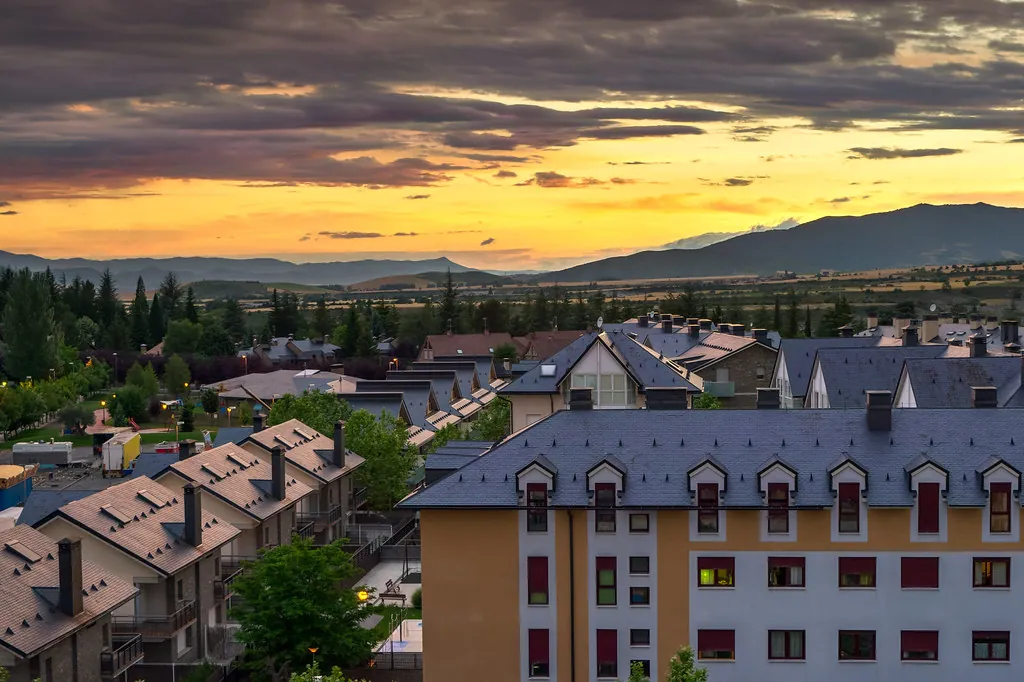
The local slate here is almost purple in early light, a colour you notice only after the climb from the plain. At 870 m the air thins enough to slow conversation; older residents pause at the bend where the gradient touches ten per cent and use the moment to inspect the horizon for rain. They are descendants of people paid to watch, first against Moorish raiding parties, later for wolves, later still for civil-war patrols. The castle that gave the settlement its suffix has shrunk to two wall stubs and a staircase that ends in mid-air, yet the habit of scanning the distance survives. Stand on the rubble platform and the view explains the instinct: a 360-degree sweep of cereal fields, the metallic glint of the A-23 far below, and, on very clear days, the snow-dusted summits of the Moncayo thirty-five miles east.
Architecture elsewhere in Aragon shouts—Mudéjar towers, Baroque façades, avant-garde expo sites. Langa whispers. The parish church of San Pedro apóstol grew piecemeal between the 16th and 18th centuries; masons simply buttressed what the previous century had left, so the apse is Gothic, the nave Romanesque in feel, the bell-tower a blunt rectangle capped with 19th-century zinc. Inside, the temperature drops six degrees at once, and the only decoration of note is a polychrome crucifix whose paint has flaked to reveal earlier colours—blood-red over Prussian blue over gesso the shade of English chalk. The building is open 365 days because the priest from the neighbouring village keeps the key under a flower-pot; if the door is locked the bar-owner will fetch it for the price of a cortado.
Walking the Dry Line
Leave the houses behind and the path becomes a farm track almost immediately. Wheat, barley, vetch and safflower rotate across thin limestone soil; the hedgerows are rose-bay and hawthorn, knee-high and wind-sculpted. There is no shade, so the smart time to walk is dawn or the two hours before dusk when the sun flattens and stone walls glow like low-watt bulbs. A circular route of 7 km follows the ridge south to the abandoned hamlet of Val de Sancho, returns along the rambla where bee-eaters nest in May. Navigation is refreshingly old-school: cairns, the occasional way-mark painted by the local ramblers in 1997, and the instruction “keep the telecommunication mast on your left shoulder”. Mobile signal dies after the first gate anyway, so the OS-style map sold at the bakery (€3, includes biscuit recipe) is worth the investment.
Spring brings calandra larks, autumn hen harriers; both seasons smell of crushed thyme and diesel from the combine. Summer is brutal—daytime highs sit stubbornly either side of 35 °C—yet the village can still work as a base if you shift your timetable. Locals rise at 05:30, sleep from 14:00 to 17:00, eat again at 22:00 under fluorescent kitchen light. Copy the rhythm and you will have six cool hours on the trail before the sun becomes hostile. Winter is the quietest: expect snow two or three times between December and March, usually gone by lunchtime but enough to ice the cobbles. Chains are rarely required on the approach road, yet a rear-wheel-drive hire car will struggle on the final 400 m where the gradient bites.
What Arrives in the Back of a Van
There is no supermarket, no cash machine, no petrol pump. Fresh fish reaches the village on Thursday afternoon packed in polystyrene crates labelled “Puerto de Sagunto—350 km”. Hake, sepia, the occasional red mullet: residents check the eyes the way their grandparents checked wheat moisture, then carry the purchase home in string bags. The same van brings newspapers from Zaragoza, so if you want Friday’s Heraldo you need to be outside the bakery by 17:00 sharp.
Meals follow the agricultural calendar. In May you will eat espárragos trigueros grilled over vine prunings; June brings ajos tiernos—young garlic stewed with egg and chorizo the colour of brick dust. October is matanza month; every family still fattens one pig, invites neighbours to stir the black pudding mix, and hangs the jamones from bedroom rafters where the draught from a north-facing window mimics the Sierra air. Visitors can buy surplus sausages—chorizo dulce, longaniza, morcilla spiced with local oregano—if they ask early; the price hovers around €8 a kilo, cheaper than the vacuum-packed souvenirs of Teruel market and light years better.
Dining out, in the literal sense, is impossible; there is no restaurant. Instead you reserve a table at the sociedad gastronómica, essentially the village bar’s back room with a single four-ring cooker. The committee (three retired ladies and the man who owns the tractor dealership) decides the weekend menu on Thursday. Expect lamb shoulder slow-baked with potatoes, or migas—fried breadcrumbs streaked with grapes and bacon—served on enamel plates. Wine is whatever the cooperative in Daroca bottled last year; water comes from a two-litre jug. The set meal costs €14 including dessert (yoghurt sprinkled with cinnamon) and is served at 21:30 sharp. Booking is not optional—there are twenty-two chairs.
Getting There, Getting Away
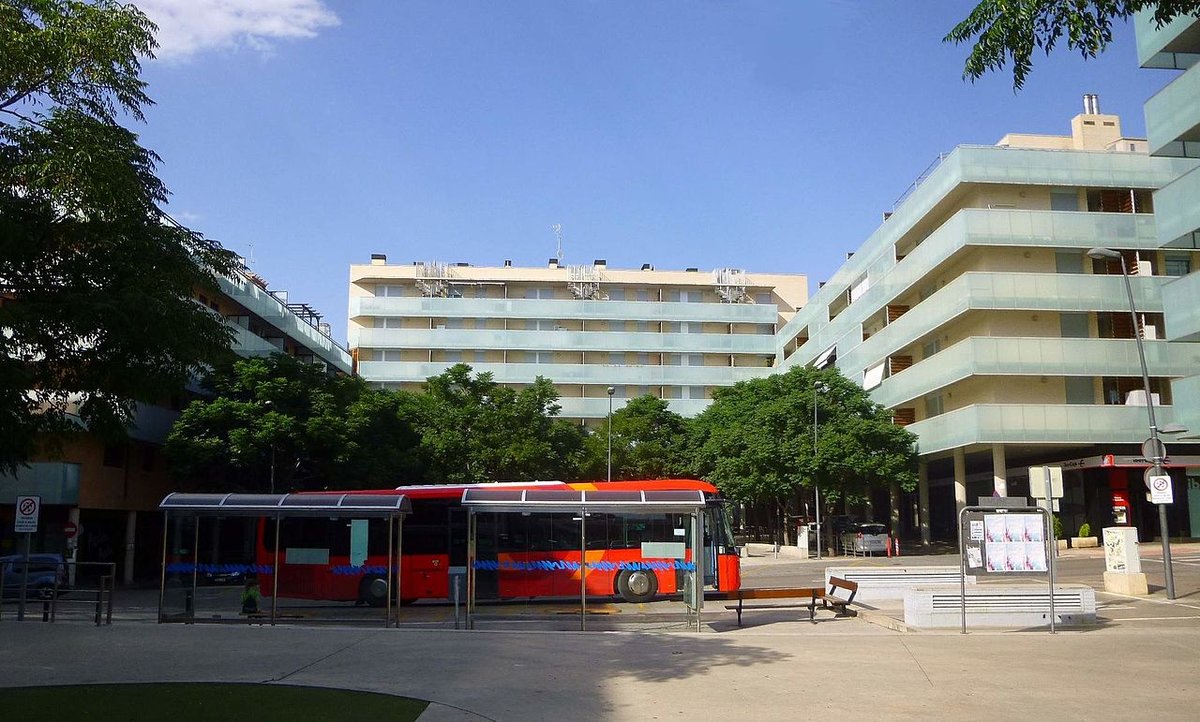
The drive from Zaragoza airport takes 75 minutes if you ignore the sat-nav’s flirtation with toll roads. Take the A-23 towards Teruel, exit at 252 signposted “Daroca/Calatayud”, then thread west on the A-1502. After Villa de Molina turn left at the stone cross dedicated to a 19th-century bishop; the road narrows, climbs, and suddenly you are above the tree line with only stone curlicues for company. A single daily bus leaves Zaragoza’s Estación del Norte at 14:15, reaches Langa at 16:05 after eleven stops in hamlets whose populations could fit in a single London lift. It returns at 06:10 next morning; miss it and you have twenty-four hours to practise Spanish conjugations with the retired teacher who lives opposite the bus shelter.
Accommodation is limited to three village houses licensed under the Aragonese rural tourism scheme. Expect thick walls, wood-fire smell, and Wi-Fi that flickers whenever the microwave turns on. Two properties sleep four, one sleeps two; prices range from €70 to €95 per night with a two-night minimum most of the year. Weekends around the August fiesta are block-booked by returning emigrants, so plan six months ahead or arrive in February when the only noise is the steeple jack hammering frost from the gutters.
The Honest Conclusion
Langa del Castillo will not change your life. It offers no epic vistas, no Michelin stars, no selfies with costumed actors. What it does give is a calibrated sense of scale: how little space one actually needs, how slowly time can move, how loudly wheat grows when the wind drops. Come if you are happy to rise early, speak basic Spanish, and accept that closing hours are whatever the owner decides. If that sounds like work, stay on the coast. If it sounds like breathing space, the village will still be there, half-way to the sky, waiting for the noon bell to ring.