Full Article
about Las Parras de Castellote
Ocultar artículo Leer artículo completo
At 07:45 the church bell in Las Parras de Castellote strikes once, hesitates, then gives up. Nobody appears; the single bar is still shuttered, the mayor’s 4×4 is the only car parked at the top of the hill, and the only sound is a loose irrigation gate knocking against stone. Sixty-one residents, two geese, one bell that can’t be bothered—this is how the day begins, 697 metres above sea level and light-years away from the Costa marketing brochures.
The Village that Forgot to Grow
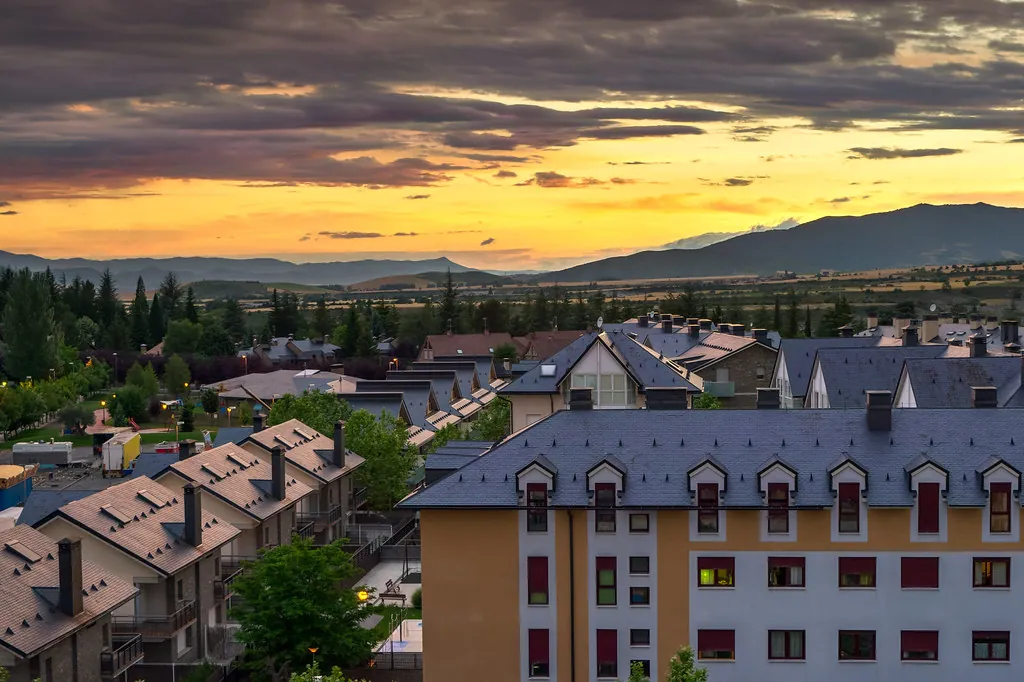
The houses climb the slope like mismatched stairs. Granite walls 60 cm thick keep interiors cool even when the Bajo Aragón plain below is already frying at 35 °C. Roofs are tiled in dark Arabic half-moons, weighed down with rocks against the cierzo, the north-west wind that arrives without notice and can peel paint. There is no square worthy of a postcard, no mirador with wrought-iron railing—just three alleys that converge on the parish church, itself the size of a modest English chapel. Step inside and the air smells of candle wax and grain; the floor is packed earth until halfway down the nave where someone decided modernity meant pouring concrete.
Concrete is about as tourist-friendly as it gets. The village has neither petrol station, cash machine, nor public loo. Mobile coverage flickers between one bar and “SOS only”, so download an offline map before you leave the A-23. The nearest supermarket is 17 km away in Castellote, the nearest hospital 46 km in Alcañiz. If you arrive after dark, bring milk—nobody will sell you any here.
Walking Through Abandoned Geometry
Still, the place rewards boots. A five-minute shuffle past the last house puts you on a stone-mule track that zig-zags across abandoned bancales—medieval terraces held together by dry-stone walls the height of a shepherd’s shoulder. Almonds cling to the roots, figs sprout from cracks; everything else was given up when the owner’s grandson took a job in Zaragoza. Keep ascending for twenty minutes and the track levels onto a knife-edge ridge: southwards the land drops 400 m in folds the colour of burnt toast; northwards the olive groves of Matarraña shimmer silver like a dirty mirror.
There are no signposts, no QR codes, no “Instagram frame”. What you get instead is absolute quiet, broken only by bee-eaters overhead. Carry water—there is no café kiosk awaiting your heroic return.
What Passes for Lunch
Around 13:30 someone usually pushes open the bar. The name changes depending on who you ask (Casa Ramón, La Fuente, el bar de arriba) and the menu is written on the back of a paper napkin. Order migas and a glass of Cariñena: you will receive a mound of fried breadcrumbs studded with tocino, the whole lot glistening with local arbequina olive oil. Vegetarians can ask for migas sin carne and will still be served the bacon version—“just pick it out, love”. Prices hover at €9 for a plate big enough for two; house red is €1.80 if you stand at the counter, €2.50 on the terrace (a plastic table under a fig tree).
If the owner’s daughter is home from university the espresso machine works; if not, coffee is campo-style—grounds boiled in a pan, poured through a sock. Tipping is not expected but she’ll thank you in English learnt from Netflix, the only foreign voice you are likely to hear all day.
Summer Heat, Winter Isolation
Come between mid-June and early September and the thermometer kisses 38 °C by 15:00. The village empties; even dogs seek shade beneath parked cars. Early risers walk at dawn, siesta through the middle, re-emerge at 19:00 when the stones start releasing their stored heat. In August the fiesta brings back emigrants and the head-count quadruples—book accommodation before Easter or you will sleep in your hire car.
Winter is the inverse. Daytime highs struggle past 8 °C, and when the cierzo meets sleet the lanes turn into toboggan runs. Chains are advisable from November to March; the asphalted road is cleared sporadically by a tractor with a snow blade someone bought second-hand in Huesca. On the plus side you get crackling log fires, mist in the ravines, and the sense that civilisation ended here some time ago.
A Dinosaur Detour for the Children
Seven kilometres towards Castellote a small brown sign advertises “Parque de Dinosaurios Extinción”. The track leads to a farmyard where fibreglass T-rexes stand among the sunflowers. British families on TripAdvisor report “took twenty minutes, kids loved it, toilets locked”. Admission is €3, cash only, exact change appreciated. It is not the Natural History Museum, but it breaks up the drive and gives children something to photograph that isn’t rubble.
Where to Lay Your Head
There are no hotels. Rental cottages—casas rurales—sleep four to eight and cost €90–€140 a night. Two are restored labourers’ dwellings with roof beams blackened by a century of open fires; one has a plunge pool that will feel like the Atlantic in February. Owners live in Zaragoza and leave the key in a coded box; bring own towels if you hate line-dried stiffness. During fiesta week minimum stay is four nights and the price doubles—supply, demand, and the knowledge that you have nowhere else to go.
Camping is tolerated, not encouraged. The village owns a patch of scrub outside the built-up line; ask at the bar and someone will shrug permission. Fires are banned in summer, ground is hard, and the only facility is a tap that may or may not flow.
How to Reach the Edge of Nowhere
From Valencia airport take the A23 north-west, past Sagunto’s refineries and the orange groves of Teruel’s southern tip. Exit 222 signs “Alcañiz-Castellote”; the motorway shop is your last chance for a decent sandwich. After 28 km turn right on the A-1702, a road that narrows until the white line disappears under tyre debris. Count three tunnels of plane trees, one bridge with medieval cut-waters, then fork right for Las Parras. Total driving time from Valencia: 2 h 10 min. From Zaragoza it is similar distance, duller countryside, and you will still end up on the same wiggly 17 km spur. Public transport is fiction: one Alsa bus reaches Castellote at 19:15; the driver will drop you at the junction if you beg, but the final 7 km is yours to solve.
The Honest Verdict
Las Parras de Castellote is not “undiscovered”—it simply never bothered being discovered. You will leave with more photographs of stone walls than any sane person needs; you will also leave with the memory of silence so complete you can hear your own pulse. Come if you want to test whether “getting away from it all” still exists, but accept the corollary: once you are here, there really is nothing else.