Full Article
about Laspaules
Ocultar artículo Leer artículo completo
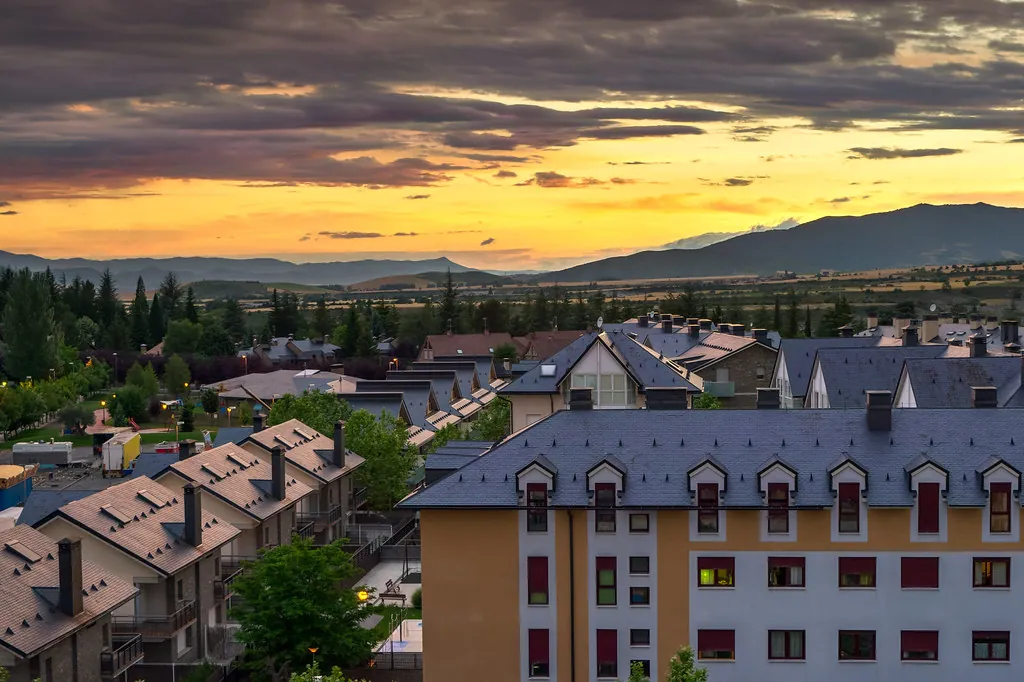
The church bell tolls eleven, yet the bar terrace sits in shadow. At 1,431 metres, dawn arrives late in Laspaúles and dusk barges in early. This is the first thing visitors notice: daylight is rationed, and the village clock feels more like a gentle suggestion than a rule.
Stone houses shoulder together along a single road that peters out into pasture. Nobody is in a hurry; the livestock truck idles while the driver debates last night’s football with the baker, and the baker is in no rush either—bread came out at seven and won’t sell out before noon.
A Valley that Speaks in Old Tones
Ribagorçan, a dialect that sounds like Catalan with a mountain cold, still clatters around the doorways. Stop to read a faded plaque and an elderly passer-by will probably explain, slowly and in Castilian, that the wording dates back to when this was a borderland nobody bothered to police. The village totals 234 souls on paper; on a wet Tuesday in May it feels closer to half that.
Walk fifty metres past the last house and you are already on a proper path. Hoof-scuffed and stone-hard, it climbs through oak and scree towards the Turbón massif. No ticket office, no interpretive board—just a wooden gate you must close behind you. The rule is simple: if the latch drops, you’re responsible for whatever wanders out.
Most walkers aim for the Collado de Laspaules, two hours up, forty minutes down. The reward is a view straight down the valley to the mud-coloured ridge that kept Franco’s troops busy for a winter in 1938. Bring a jacket; even July can whip up an easterly that feels like the North Sea.
The Witch Trail and Other Modest Surprises
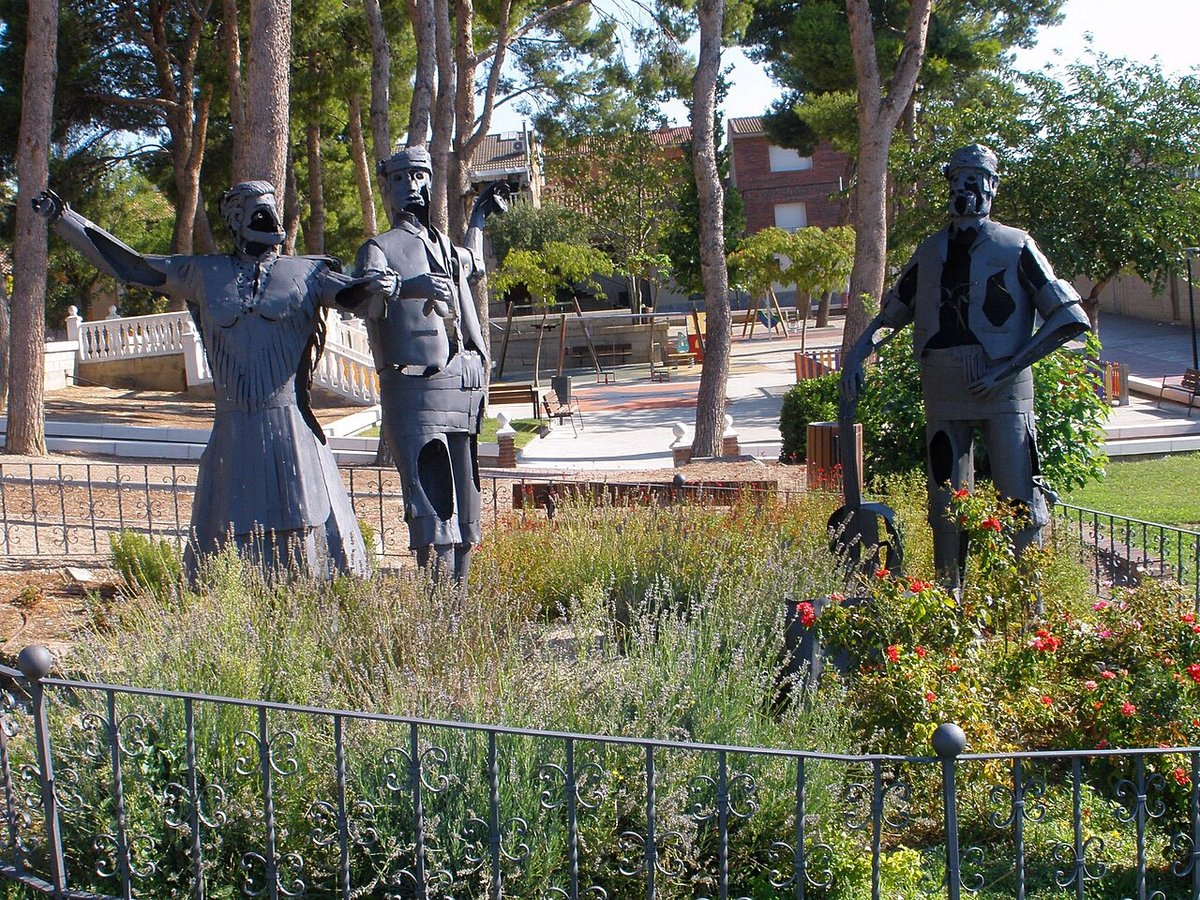
Above the campsite a gravel track switch-backs to the “Witch Park”. Forget rollercoasters: this is an outdoor gallery of wooden sculptures explaining the 1611 trials that saw local women accused of ruining crops by hail. Kids enjoy the spooky masks; adults tend to linger on the English subtitles which, miraculously, are almost grammatical. The walk takes twenty minutes, thirty if you stop to photograph the Pyrenean skyline and the absurdly large griffon vultures that ride the thermals.
Back in the lanes, notice the drainpipes: many are slate, hand-split and cemented in place. Architects call it vernacular; here it is simply what was lying about when the roof needed fixing. The parish church has been patched so often it resembles three centuries squashed together. Inside, the altarpiece is 18th-century gilt gone dark with candle smoke; outside, the bell turret leans two degrees left, like a man who has enjoyed lunch too much.
Weather that Argues Back
Laspaúles does not do gentle transitions. April can dump ten centimetres of snow overnight, then melt it all before supper. October is the sweetest month: beech woods turn copper, the air smells of damp mushroom, and the campsite empties after Spanish half-term. Winter proper begins around Hallowe’en; by Christmas the road from Benabarre is salted but still slippery enough to make 30 km/h feel reckless. Chains live in every boot, even the priest’s.
Summer, by contrast, is almost reliable. Daytime hovers at 24 °C, nights drop to 10 °C—perfect for sleeping under a duvet the hotel has probably owned since 1987. Afternoon storms build over the ridge, but they tend to exhaust themselves before the first lightning bolt.
Eating without Fanfare
There is no Michelin pretension. The camping restaurant offers a three-course menú del día for €14: grilled chicken, chips, and lettuce dressed with so much olive oil it could float a ship. Ask for ternera a la plancha if you want beef cooked rare rather than grey. Vegetarians get scrambled eggs on toast—accept it, or drive 45 minutes to Graus.
The bakery opens at eight and sells out of coca de chicharrones (a sweet, pork-fat pastry) by nine. Locals insist it tastes better after a walk; they are right. The village shop stocks UHT milk, tinned beans and a single shelf of local cheese wrapped in cling film. Bring supplies if you plan self-catering; the nearest supermarket worthy of the name is 37 km away in Barbastro.
What You Actually Need to Know
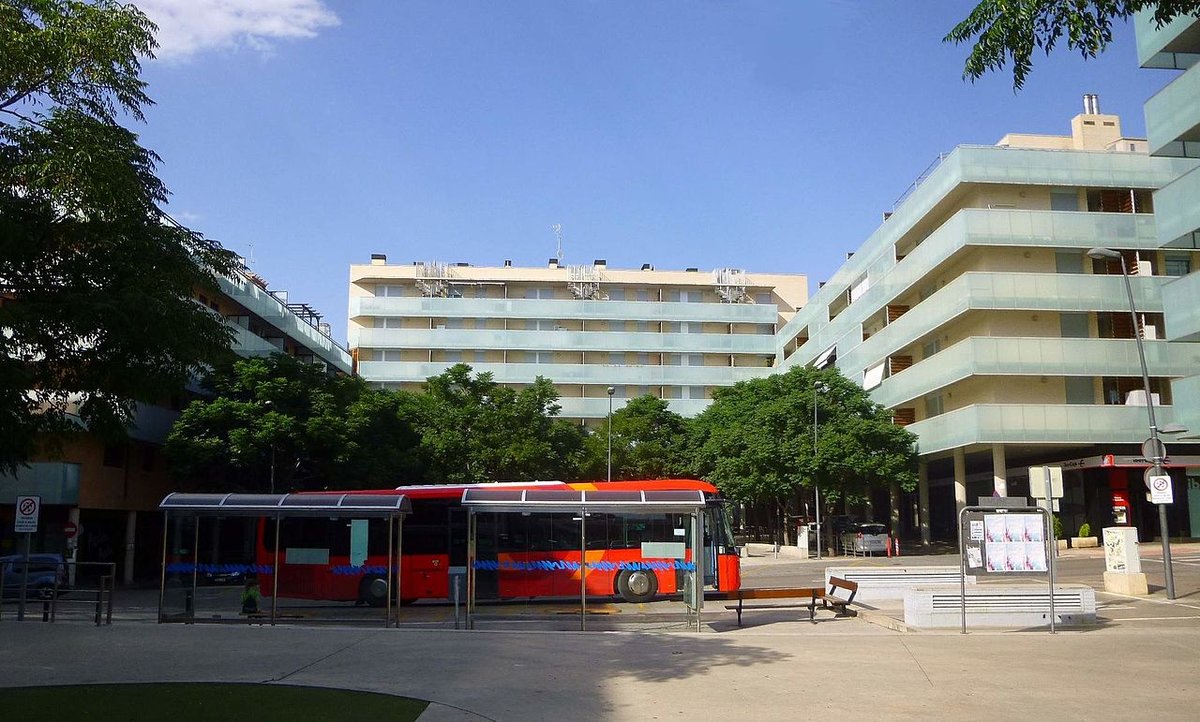
Public transport is theoretical. A weekday bus leaves Barbastro at 13:30, reaches Laspaúles at 15:45, and turns straight round. Miss it and you are hitch-hiking. Hire a car at Zaragoza airport (two-hour drive) or Barcelona (three hours, but motorway almost all the way). Petrol is cheaper in the lowlands; fill up before the climb after Graus.
Cash matters. The bakery accepts cards only over €10; the campsite bar prefers euros. The closest ATM is in Benabarre, 17 km of bends away. Phone signal dies two kilometres out of town—download offline maps while you still have 4G.
Accommodation is limited. Camping Laspaúles has forty pitches, ten wooden bungalows and a small pool that closes at nine sharp. Book bungalows months ahead for August; pitches are easier but still busy at Easter and the first two weeks of July. The only alternative is a three-room guesthouse above the bakery, run by a woman who speaks school-trip French and keeps cats that regard paying guests as radiators with legs.
Walking, or Simply Sitting
Serious hikers can link Laspaúles to the GR-15 long-distance trail, a five-day traverse of the pre-Pyrenees. More common is to string together half-day loops: down to the abandoned village of Arro, up to the meadows of Plan d’Aneu, or along the ridge to watch lambs race their own shadows. Maps are sold at the campsite reception; scale 1:25,000, price €8, waterproof enough for the odd cloudburst.
If boots feel too energetic, take a chair to the river. The Ésera is ten minutes’ walk, cold enough to numb ankles in June, clear enough to watch trout hesitate before your shadow. Bring a paperback; the water provides the soundtrack, the vultures provide the interval entertainment.
When to Bail Out
Laspaúles will not suit everyone. Nightlife is a choice between the bar and the picnic table. Rain can strand you for 48 hours; streaming television buffers, then gives up. If you crave tapas trails and boutique hotels, head south to Alquézar or east to Benasque.
Yet if the idea of a place where church bells still dictate lunch, where farmers stop to chat even when the sky is black with incoming weather, appeals more than a curated “experience”, then Laspaúles delivers. Come with groceries, a full tank and realistic expectations. The mountains will do the rest.