Full Article
about Lecinena
Ocultar artículo Leer artículo completo
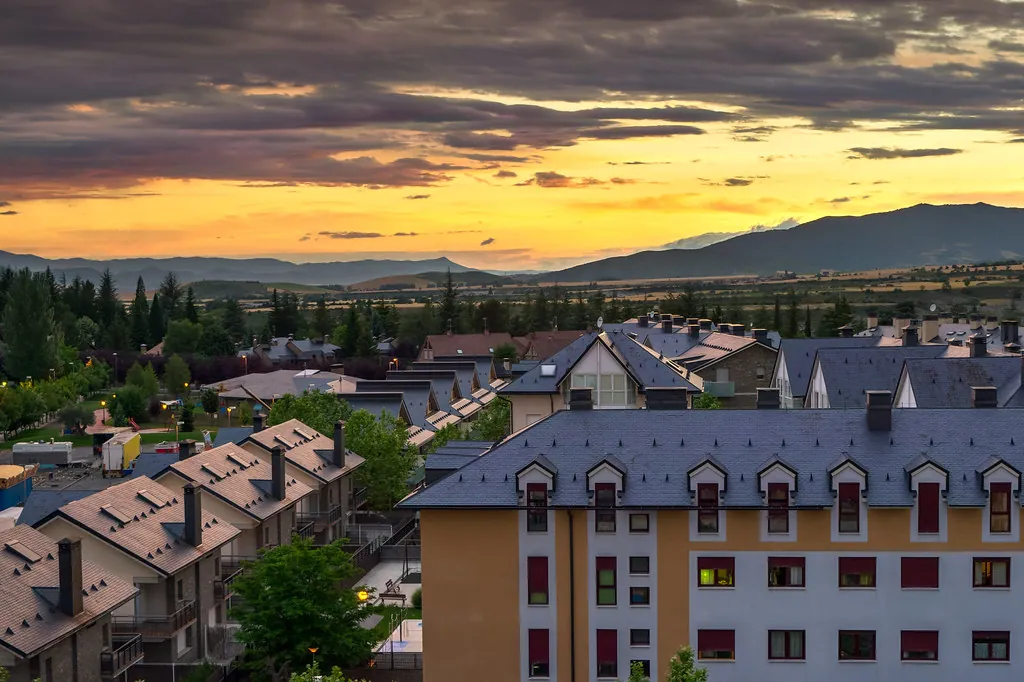
The Ryanair captain has barely switched off the seat-belt sign before Lecinena appears: a smudge of clay-tiled roofs on the infinite wheat canvas of Los Monegros, thirty minutes’ drive north-east of Zaragoza airport. Most British passengers thunder past on the A-22, eyes fixed on the Costa Brava clock, but those who peel off at junction 311 find a village that answers the question “What does Spain look like when nobody is watching?”
Lecinena sits at 340 metres, high enough for the air to carry a thin, dry crackle that makes UK visitors reach for lip balm whatever the month. The plain stretches so wide that the horizon shimmers like a mirage, and the only vertical punctuation is the 16th-century tower of San Miguel Arcángel, a brick exclamation mark visible long before you reach the centre. Parking is gloriously simple: nose the car against the church wall and walk. There are no meters, no attendants, and – on weekdays – hardly any other vehicles.
Inside the single-storey houses the temperature drops ten degrees. Walls sixty centimetres thick, originally designed to defeat July heat and January cierzo wind, now do double duty against motorway noise. The streets follow the medieval grain: narrow, dog-leg, ending suddenly in a threshing circle or a field of stubble. Satellite dishes bloom from every façade like grey mushrooms, a reminder that Netflix has replaced the evening paseo for many locals under thirty.
Lunch at the Edge of Europe
By 13:30 the bar of Hotel Restaurante El Portegao is filling with lorry drivers who have backed their rigs onto the dusty forecourt. They order menú del día (€12, wine included) without glancing at the chalkboard: Monday is lentejas, Friday is bacalao, every day starts with a bowl of migas – fried breadcrumbs studded with chorizo and grapes. British children have been known to eat the dish thinking it is savoury Christmas pudding; parents appreciate the emergency fallback of grilled chicken and chips if they ask before the kitchen closes at 15:30. The waiter will not speak English, but pointing at neighbouring plates works, and the local Somontano white is chilled to precisely the temperature a Birmingham palate expects.
After lunch the village simply shuts. Metal shutters slam like cymbals at 14:00; by 14:05 the only sound is the buzz of a single mophead being wrung in the square. Siesta is not folklore here – it is triage against a climate that can hit 42 °C in August and still feel like 35 °C in the shade. Visitors who attempt a stroll learn quickly why the elderly carry umbrellas: the sun is a weapon, and there is no tree cover until the cemetery cypresses on the western edge.
Walking the Grid
When the mercury retreats around 17:00, the plain becomes walkable. A lattice of farm tracks fans out from Calle San Pedro, each one ruler-straight and flanked by almond orchards or regimented wheat. Distances deceive: a silo that looks ten minutes away takes forty under the big sky, and the return trudge feels longer once water runs out. Serious hikers occasionally attempt the 12-kilometre loop to the ruined Ermita de la Virgen de Magallón; the reward is a 360-degree view that lets you see tomorrow’s weather arriving. Casual strollers are better off following the signed 3-kilometre “Ruta de las Balsas,” which links three rainwater reservoirs and guarantees shade at each stop. Binoculars are worth packing: steppe birds – little bustard, black-bellied sandgrouse – use the ploughed furrows as runways, and in October migrating honey buzzards ride the thermals overhead.
Winter rewrites the contract. Night temperatures can fall to –8 °C, and the cierzo wind, funnelling down from the Pyrenees, has been measured at 110 kph. British motorists used to Highland gusts are still startled when car doors rip from their hands. On those days locals drive to the petrol station on the N-330 simply to stand in the lee of the canopy and exchange weather commentary. Snow is rare; instead, the fields whiten with frost that lingers until eleven, giving the illusion of a Christmas card until you discover the hotel’s central heating has given up.
Saturday Night, Population 4,997
Weekends wake the village. Teenagers cruise the main drag in battered SEATs, windows down, reggaetón competing with the clang of the church bell. The one cash machine – inside the Ayuntamiento – whirs into life, dispensing a maximum of €150 per card before retreatring into sulk mode. British visitors should stock up in Zaragoza: Lecinena has no bank, and the garage shop will not accept foreign cards for under €10. At 21:00 the square fills with extended families. Grandparents occupy the stone benches, toddlers chase feral cats, and parents nurse a single beer for two hours because the next day’s labour starts at dawn.
If your trip coincides with the September fiestas in honour of San Miguel, expect fireworks that begin at midnight and continue, stubbornly, until 03:00. The decibels bounce off the brick tower like gunshots; light sleepers should request a rear-facing room at El Portegao or accept that earplugs are part of the cultural exchange. The bull-running event uses rope corrals rather than wooden barriers, allowing spectators to stand within whisker-distance of 500 kg of confused beef. Health-and-safety officers from Slough have been known to watch through splayed fingers; local farmers simply finish their coffee.
A Bed for the Night – and the Bill
Accommodation options fit on a Post-it. The twelve rooms above El Portegao are clean, dated and €55 for a double, breakfast €4 extra if you fancy churros that have been frozen in Toledo and re-fried in Aragón. Bathrooms have hairdryers powerful enough to start a small aircraft. The alternative is the municipal albergue on Calle Magallón: €12 buys a bunk in a ten-bed dorm, a kitchen where someone has always left half an onion, and a 22:00 curfew enforced by a retired guardia civil who locks the door with the air of a man securing the border. There is no mid-market choice; if you want boutique, stay in Zaragoza.
Checking out takes thirty seconds. The landlord tots up beer and menú on the back of a harvest calendar, rounds down the centimos, and wishes you “buen viaje” while already wiping the next table. Back on the A-22 the Pyrenees shimmer like a cardboard cut-out, Barcelona is three hours away, and Lecinena recedes in the mirror – a place that never asked to be a destination, yet gives motorists more of real Spain than any coastal chiringuito. Drive on, but remember the exact moment the plain swallowed the sound of your engine; that silence is the village’s only souvenir, and it costs nothing to take home.