Full Article
about Lidon
Ocultar artículo Leer artículo completo
The church bell strikes noon, and for a moment the only other sound is wind rushing across stone roofs. At 1,211 metres above sea level, Lidón keeps its own timetable. Fifty-three residents on the census, perhaps a dozen actually here in February, and more stone houses than people. This is not a village that performs for visitors; it's a working fragment of upland Aragon that happens to let you watch.
Stone, Wind and Winter Silence
Houses merge with bedrock here. Granite walls rise straight from the slope, timber doors have shrunk over centuries, and every roof carries its weight of snow memory. Streets climb at angles that would give a mountain goat pause; the shortest route between two points usually involves steps cut into the bedrock. When the tramontana blows, conversations move indoors. Locals speak of "los meses duros" – the hard months – when the sun clears the ridge at nine and drops behind the opposite slope by four.
The cold is serious business. Night temperatures of -12 °C are routine between December and March, and the single access road can ice over for days. Chains live in car boots from October onwards. Yet the reward for enduring winter is a clarity of air that makes the Sierra de Albarracín look close enough to touch, and night skies so dark that the Milky Way actually casts a shadow. Amateur astronomers drive up from Valencia with tripods and thermos flasks; they stand in fallow fields, heads tilted upwards, oblivious to the cold.
A Parish Church, a Bread Oven and Other Working Relics
The Iglesia de la Asunción squats at the top of the village like a mother hen. Built piecemeal between the sixteenth and nineteenth centuries, its bell tower doubles as the village timekeeper; the clock mechanism still needs winding by hand twice a week. Inside, the altarpiece is provincial baroque – gilded pine rather than marble – and the pews bear the carved initials of worshippers who left for Barcelona factories in the 1960s. Mass happens every Sunday at eleven, whether the congregation numbers five or twenty-five.
Twenty metres downhill, the communal bread oven fires up only for fiestas, but the key hangs on a nail outside the mayor's house and anyone is free to use it. Elderly neighbours will explain the correct sequence: light at dawn, rake to embers by ten, slide the hogaza in on a chestnut peel. The resulting loaf is dense enough to dent floorboards, perfect for sopping up game stew.
Walk the perimeter and you will find stone threshing circles, now filled with wild fennel, and terraces dry-stacked five hundred years ago to coax wheat from thin soil. There is no interpretation board, no QR code. The guidebook is whichever septuagenarian you meet carrying firewood; stop, help with the load, ask questions.
Walking Tracks That Expect You to Read the Land
Lidón sits on the southern lip of the Montes Universales, a maze of pine-crested ridges that stretch north-west towards the Cuenca border. The GR-88 long-distance footpath passes two kilometres below the village, but local routes are more interesting precisely because they are unsigned. A good starting point is the track that leaves from the cemetery gate – follow the stone cairns across the pinar until the land drops into the Río Lidón gorge. The descent is 350 metres of thigh-burning switchbacks; the ascent on the far side reveals a plateau where wild boar root for acorns at dusk.
Carry printed maps: the 1:50,000 Alpina sheet for Sierra de Albarracín covers the area and marks springs that still run even in late summer. Mobile coverage is patchy; Vodafone disappears entirely after the first ridge. Tell someone where you are going – the village policeman doubles as the barman, and his note pad above the coffee machine serves as the informal rescue log.
Spring brings carpets of Narcissus asturiensis, a miniature daffodil that grows nowhere else in Aragon. Autumn is mushroom territory: boletus and níscalos appear after the first September rains. Picking is tolerated provided you limit yourself to a modest basket and avoid the fenced private plots nearer the river.
When the Village Remembers It Was Larger
During the August fiestas for the Virgen de la Asunción, the population swells to perhaps three hundred. Returning emigrants pitch tents in almond orchards, grandparents cook rice in pans the size of satellite dishes, and teenage boys who grew up in Zaragoza rediscover the thrill of night-time fireworks in narrow streets. The procession starts at seven, but the brass band usually rolls in from Albarracín slightly drunk; they play pasodobles with enough gusto to drown the generator powering the fairy lights.
On the night of San Juan, bonfires burn on the threshing floors uphill. Locals grill longaniza sausages, drink sweet mistela wine, and at midnight everyone jumps the flames three times for luck. Visitors are welcome, but nobody will hand you a programme; you learn the sequence by watching which direction the grandmother in the purple cardigan moves.
The rest of the year the social centre is the bar at the lower edge of the village. It opens at six in the morning for truck drivers and closes when the last customer leaves, usually before midnight. A coffee costs €1.20, a caña of beer €1.50. There is no menu; ask what María has cooked today. If she says "estofado de jabalí", say yes. The wild boar was shot by her cousin, the wine comes from a plastic drum under the counter, and the portion is large enough to keep you walking uphill for a week.
Getting There, Staying Warm, Knowing When to Turn Back
From Teruel, take the A-23 towards Zaragoza, exit at Calamocha, then follow the A-1512 south through mountainous pastureland. The final twelve kilometres are on the TE-705: tarmac but single-track, with passing places cut into the rock. In winter, the surface holds snow long after the main road is clear; the local council grades it, but not before nine o'clock. If the thermometer reads below zero in Calamocha, expect ice on the last bend before the village sign.
Accommodation is limited. There are four self-catering cottages (casas rurales) licensed by the province, sleeping four to six each. Expect wood-burning stoves, thick quilts, and the occasional power cut. Prices hover around €90 per night for the whole house in low season, rising to €140 during fiestas. Book directly – the village has no tourist office, and the lady who holds the keys also runs the bakery van that visits on Thursdays.
Bring layers, regardless of season. Even in July the wind can slice through cotton, and evening temperatures drop below 15 °C once the sun disappears. A light down jacket weighs little and earns gratitude in May as well as November.
Leave the drone at home. Residents value silence above Instagram gold, and the mayor has been known to confiscate gadgets flown too close to private land. Ask permission before photographing people; most will agree, but the older generation still remembers when cameras were for officials, not tourists.
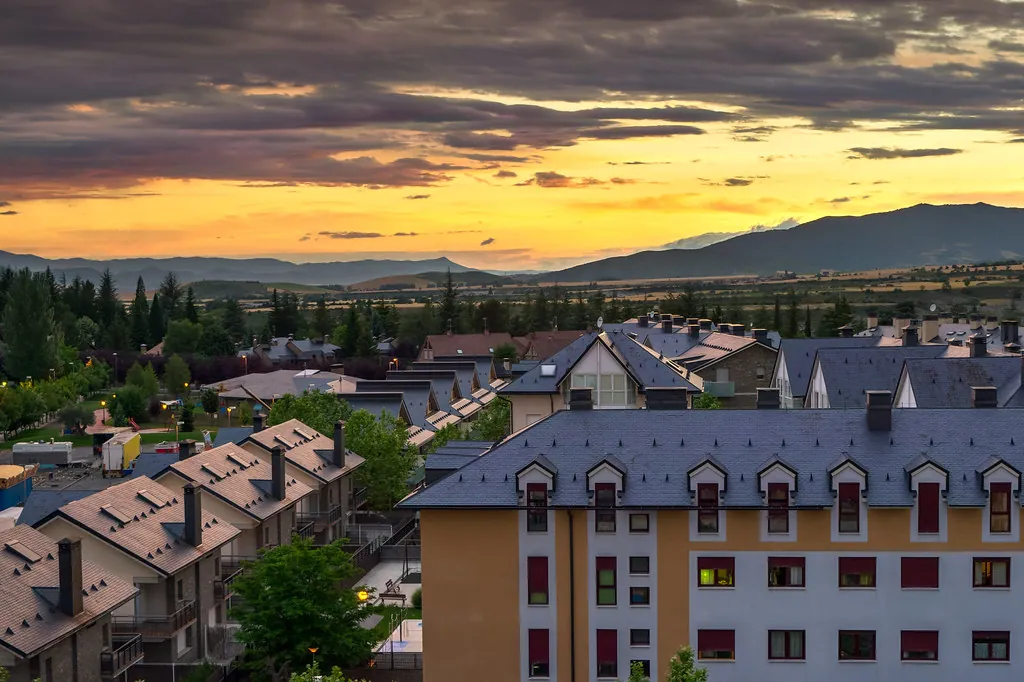
If you arrive to find the streets empty, walk up to the church terrace and look east. On a clear evening the Sierra de Javalambre turns violet, then charcoal, and the first stars appear while the land below still holds orange light. That transition, say the remaining villagers, is when you understand why anyone stays.