Full Article
about Linares de Mora
Ocultar artículo Leer artículo completo
The bell tower of La Inmaculada Concepción stands twenty metres away from its church, as if it got bored and wandered off. First-time visitors stop in the single cobbled lane, squint, then reach for their cameras—surely Photoshop is involved. It isn’t. Somewhere in the fifteenth century the foundations slipped on this 1,311-metre shelf of the Sierra de Javalambre and the tower stayed put while the nave inched downhill. The result is the most casually rebellious bit of architecture in Aragon.
Linares has only 235 permanent residents, so the tower doubles as village clock, weather station and meeting point. If the bells clang at noon and no one is leaning against the stone plinth underneath, something is seriously wrong. Summer returnees—families who left for Zaragoza or Valencia in the 1970s—still set their watches by it when they drive up the A-226 in August.
Stone, Slope and Silence
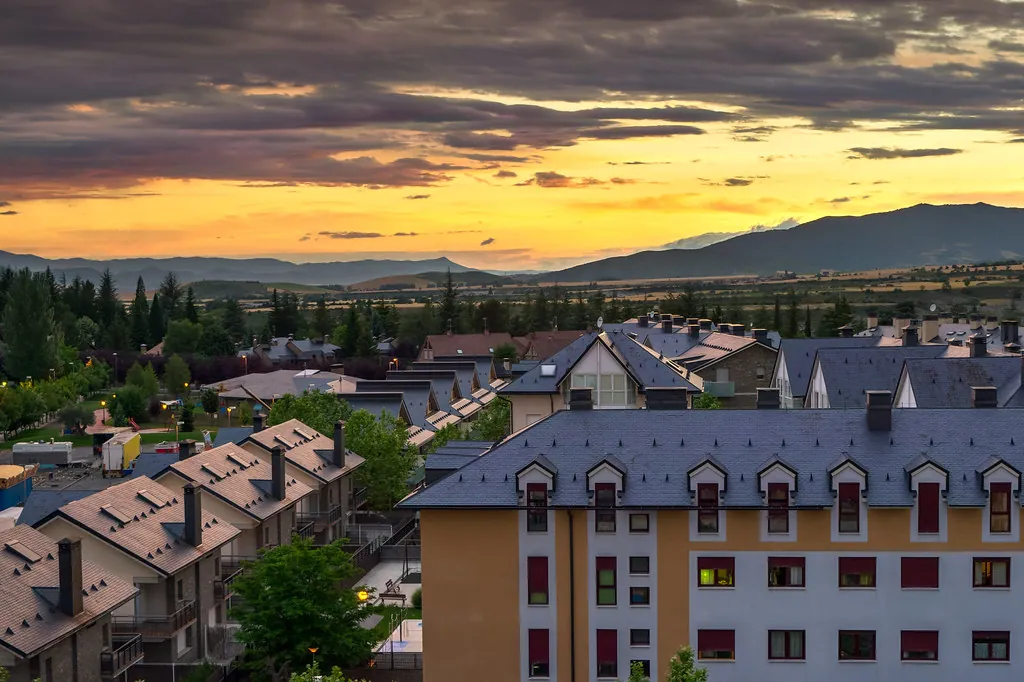
Houses are built straight onto the bedrock. Front doors open onto lanes so steep that delivery vans park at the top and drag groceries downhill on two-wheeled trolleys. Walls are thick: winter nights drop to –8 °C and snow can lie for a week. Rooflines overlap like fish scales, each grey slate channeling melt-water into the neighbour’s gutter. From a distance the whole settlement looks geological, something the mountain shrugged off rather than anything humans erected.
There are no souvenir shops, no ticket booths, no multilingual audio guides. The nearest cash machine is 18 km away in Mora de Rubielos; the village bar, Fina’s, will advance you twenty euros if you ask nicely and order a plate of croquetas first. Plastic is useless—bring notes. Sunday mornings the grocery shutter stays down; knock at number 14 and Señora Pilar will sell you milk at cost price through the kitchen window.
Walking Without Waymarks
Paths leave the upper cemetery gate in three directions, but only one is signed—and that sign is riddled by .22 calibre holes. Download an offline map; Vodafone dies by the second cattle grid. A thirty-minute loop threads through wild-pine and sabina woods to an abandoned snow-well, a stone cylinder where winter ice was packed with straw for summer use. Locals over sixty remember donkeys hauling blocks to Teruel’s fish market as late as 1965.
Longer routes link into the Camino del Cid, the medieval web that once connected hill villages to the Mediterranean. A half-day hike east drops 600 m to the Matarraña river, then climbs to the ghost hamlet of Los Almudéjars—roofless but with the bread oven still intact. Take water; fountains marked on older maps are now choked with brambles.
What Appears on the Table
Meals are built around what fits in the freezer after the autumn pig kill. Breakfast is tostada rubbed with tomato, olive oil and a whisper of garlic; ask for butter (“mantequilla”) and Bar Fina will produce a foil slab of Président she keeps for foreigners. Midday menus hover at €12–14 and run to three courses plus wine. Expect migas—fried breadcrumbs streaked with chorizo fat—then a clay dish of ternasco, milk-fed lamb that tastes like the best English spring shoulder, only served rare. Vegetarians get eggs: revuelto de setas (scrambled with wild mushrooms) or a potato-and-onion tortilla the diameter of a tractor wheel.
Evening eating is more improvised. Call Hostal la Venta before 19:00; if there are four diners they’ll light the wood grill, otherwise you’re offered cheese, ham and a bottle of Cariñena that costs nine euros and tastes like honest Rioja without the marketing levy. Pudding is usually cuajada, sheep’s-milk curd drizzled with local honey. The honey is thick, almost butterscotch: bees here work lavender and thyme instead of orange blossom.
When the Village Fills Up
August’s fiestas draw the biggest crowd—still only a few hundred. A foam machine converts the tiny plaza into a slip-slide for the cucaña; young men in holiday T-shirts cling to a greasy pole above the foam while older women place bets on who will fall first. At 23:00 sharp the generator shuts down, lights go off, and everyone wanders home. Fireworks are banned: the pine forest begins where the last street ends.
December is quieter but atmospheric. The feast of the Inmaculada (8 December) coincides with the pig fair; farmers lead pink-brown youngsters round the church square and auction them in rapid-fire Spanish. Visitors are welcome to bid, but you’ll need a trailer and a vet certificate.
Getting Up and Away
Fly Ryanair from Stansted to Zaragoza (March–October direct, under £60 return). Hire cars sit opposite the terminal; take the A-23 south, then the A-226 into the mountains. The final 12 km is a good two-lane road, but winter snow chains are compulsory from November to March—police patrol with spot fines. Parking is the rough lot beside the castle ruins; don’t attempt the lanes unless you fancy reversing 200 m uphill when you meet a neighbour’s Landini tractor.
No buses run at weekends. Weekdays a single school departure leaves Mora de Rubielos at 07:15 and returns at 14:00—fine for a rushed picnic, useless for overnight stays. A taxi from the same town costs €35 each way; reserve the day before or the driver stays in bed.
The Honest Verdict
Linares de Mora will not change your life. It offers no epiphany, no Instagram explosion, no story that plays well at dinner parties back home. What it does give is altitude-induced calm: the moment at dusk when swifts wheel above the tower, the air smells of pine resin and wood smoke, and the loudest noise is your own pulse in your ears. If that sounds like boredom, stay on the coast. If it sounds like breathing space, fill the tank, pocket some cash and set the sat-nav for the tower that walked away from its church.