Full Article
about Longares
Ocultar artículo Leer artículo completo
The tractor appears first. Not a hire car, not a delivery van, but a mud-splattered John Deere rattling down the main street at eight in the morning, its driver raising two fingers from the wheel in that universal rural greeting. Longares doesn't bother with first impressions. It simply gets on with being itself.
At 530 metres above sea level, this scatter of stone and brick buildings sits where the Ebro Valley starts its climb towards the Iberian Mountains. The altitude matters more than you might think. Summer mornings arrive cooler than Zaragoza's furnace-like streets thirty-five kilometres to the north. Winter evenings bite sharper, with the mist pooling in the surrounding cereal fields while the regional capital stays mild. The difference is only a few degrees, but it's enough to shape everything from grape harvest dates to the thickness of walls needed for those mudéjar church towers.
That tower dominates the skyline, its brickwork patterning speaking of medieval craftsmen who understood how to build for this specific slice of Aragon. The church anchors one end of Plaza Mayor, where the ayuntamiento's ochre facade catches the afternoon sun and elderly residents claim the same bench positions they've occupied for decades. There's no ticket office, no audio guide, no gift shop. The building simply exists, as it has since the 1500s, with the casual permanence that European villages specialise in.
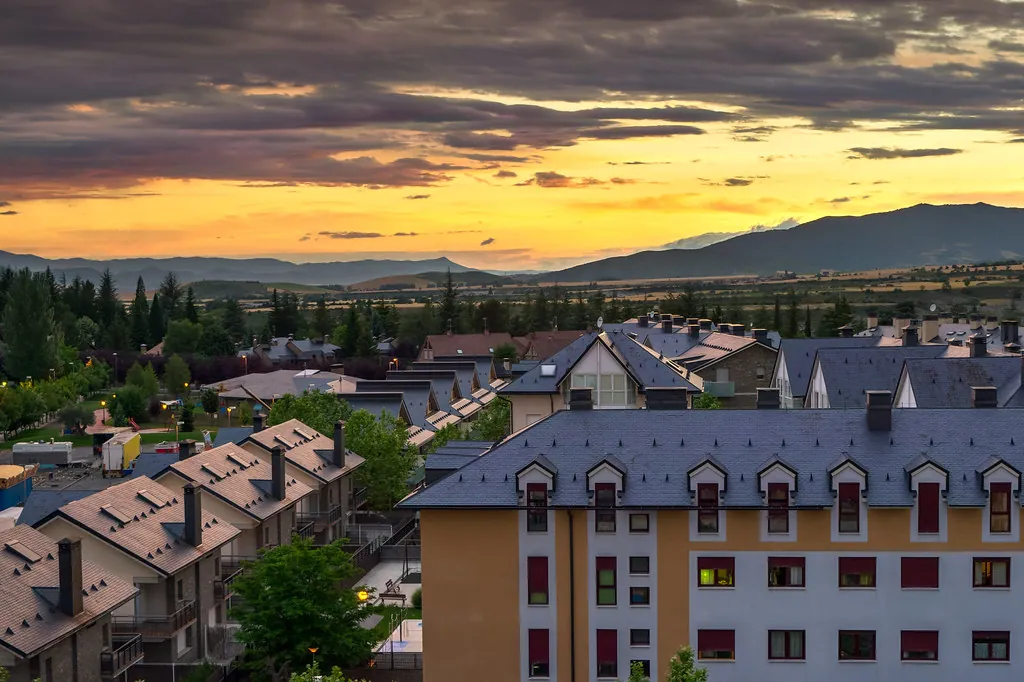
The surrounding streets reveal a pattern repeated across Campo de Cariñena: ground floors in locally quarried stone, upper levels in brick, the whole thing roofed with terracotta tiles that turn salmon-pink during the hour before sunset. Some houses stand empty, their wooden doors padlocked, victims of rural depopulation that even proximity to Zaragoza can't entirely offset. Others display fresh coats of paint and satellite dishes, signs of weekenders from the city who've discovered they can still buy a village house for less than the cost of a London parking space.
Wine built this place, though you'd hardly know it from walking around. The Denominación de Origen Cariñena stretches across the surrounding plains, its vineyards producing reds that rarely make it to British shelves. Local co-operatives dominate, with small growers pooling grapes to achieve economies of scale. The system works, but it means individual village identity gets lost in blends labelled simply "Cariñena." Ask at the lone bar on Plaza Mayor and they'll pour something made from grapes grown within sight of the church tower, but you'll need Spanish to negotiate the transaction. English isn't part of the equation here.
That language barrier extends to most practicalities. The village lacks a dedicated tourist office. The church opens for services, not sightseeing. Restaurant options extend to the bar's fixed-price lunch and not much else. Visitors expecting infrastructure will find themselves driving to Cariñena, ten kilometres away, for meals, cash machines, or anyone accustomed to explaining local attractions to foreigners. Longares doesn't do hand-holding. It assumes you can navigate Spanish rural life or figure it out quickly.
The surrounding landscape rewards those who arrive prepared. Farm tracks radiate from the village centre, passing between wheat fields and vineyards that stretch to every horizon. Spring brings green wheat rippling like ocean waves. By July the colour shifts to gold, with harvesters working through the night to beat the heat. September turns the vineyards burgundy and amber, while winter strips everything back to soil and sky, revealing the subtle contours of this high steppe country. Walking these tracks requires good shoes, water, and realistic expectations. Shade doesn't exist. The nearest significant elevation rises three kilometres south, a limestone ridge that provides views across five villages but demands a steep climb on crumbling paths.
Weather defines possibilities more than most visitors anticipate. Summer temperatures regularly hit 38°C, with the sun reflecting off pale soil to create a light so intense it bleaches photographs. Midday activity slows to nothing between June and August. Even locals retreat indoors, emerging only as shadows lengthen. Spring and autumn offer the sweet spot: warm enough for comfortable walking, cool enough for proper exploration. Winter brings crystal-clear days and freezing nights, with the Tramontana wind occasionally dumping snow that melts within hours but can make mountain access treacherous.
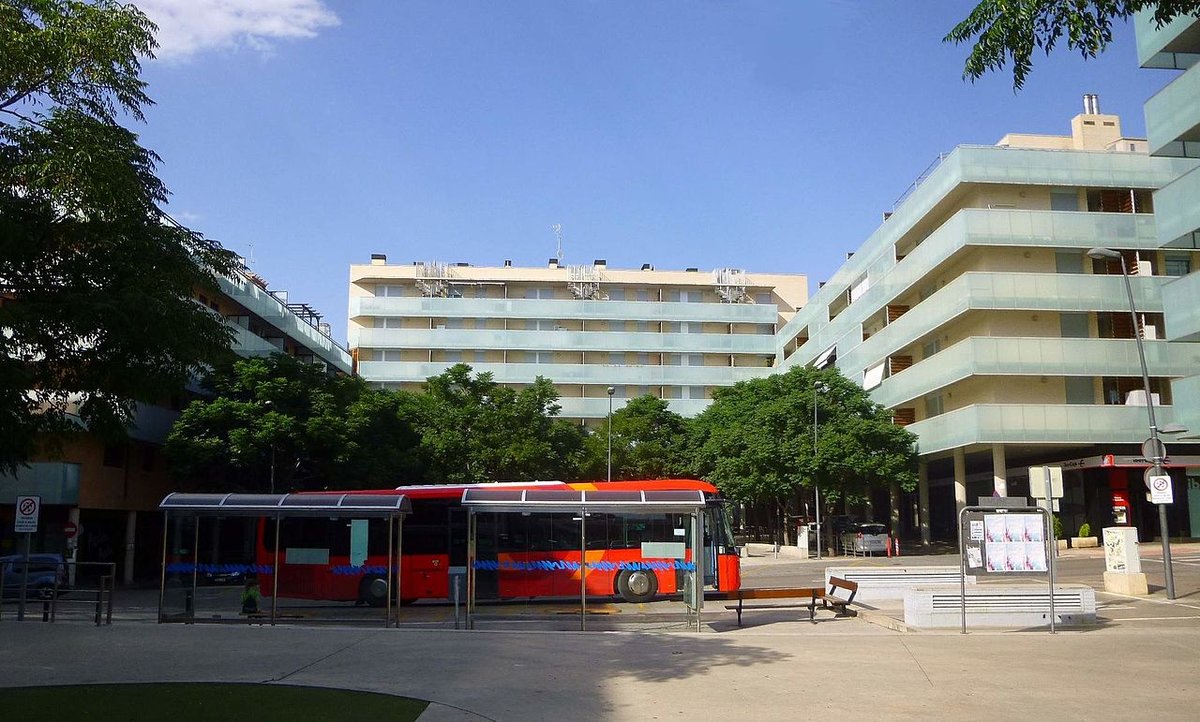
Getting here requires wheels. The A23 autopista from Zaragoza towards Teruel provides the fastest route, with the Cariñena exit clearly signed. From there, country roads wind through vineyards for another fifteen minutes. Public transport exists in theory—a twice-daily bus service that connects with Zaragoza's central station—but timings suit commuters rather than visitors. Without a car, you're stuck. With one, the entire Campo de Cariñena opens up: medieval Daroca forty minutes south, the monastery of Veruela north-east through the mountains, dozens of villages where the tractor-to-car ratio tips even further towards agriculture.
Accommodation follows the same dispersed pattern. Longares itself offers nothing official. The nearest options cluster in Cariñena: functional hotels serving wine industry visitors, plus a handful of rural houses in surrounding villages. Prices run £60-80 nightly for doubles, dropping outside harvest season. Booking ahead matters during September's wine festival, less so during quiet months when occupancy rates reflect the region's still-limited foreign tourism.
Those quiet months reveal the village's real rhythm. Morning coffee at half-eight. Lunch at two. Evening paseo around the plaza at seven, winter coats buttoned against the wind. The bar fills with farmers discussing rainfall and grape prices. Someone produces cards. The television mutters football scores. Outside, the sky performs its daily colour show across those enormous horizons. Nobody takes photographs. They've seen it all before.
Longares won't suit everyone. It demands Spanish language, tolerance for limited facilities, acceptance that entertainment means watching wheat grow and clouds pass. But for travellers seeking Spain beyond the coastal strips and city breaks, it offers something increasingly rare: a village that functions for its residents first, visitors second, with the honesty that implies. Bring water, phrasebook patience, and realistic expectations. Leave the checklist mentality at home.