Full Article
about Los Fayos
Ocultar artículo Leer artículo completo
The morning mist lifts from the reservoir to reveal houses that appear carved from the cliff itself. Los Fayos doesn't announce itself with fanfare—it's simply there, 131 souls living where the Ebro basin meets the Iberian foothills, their stone homes gripping a hillside that drops straight to the water's edge.
At 569 metres above sea level, this Aragonese village operates on mountain time. The church bell marks the hours, though few rush to meet them. The pace suits the landscape: unhurried, weathered, honest. You won't find souvenir shops or guided tours here. What you will find is a place where the relationship between village and environment remains largely unmediated by modern tourism.
The Architecture of Necessity
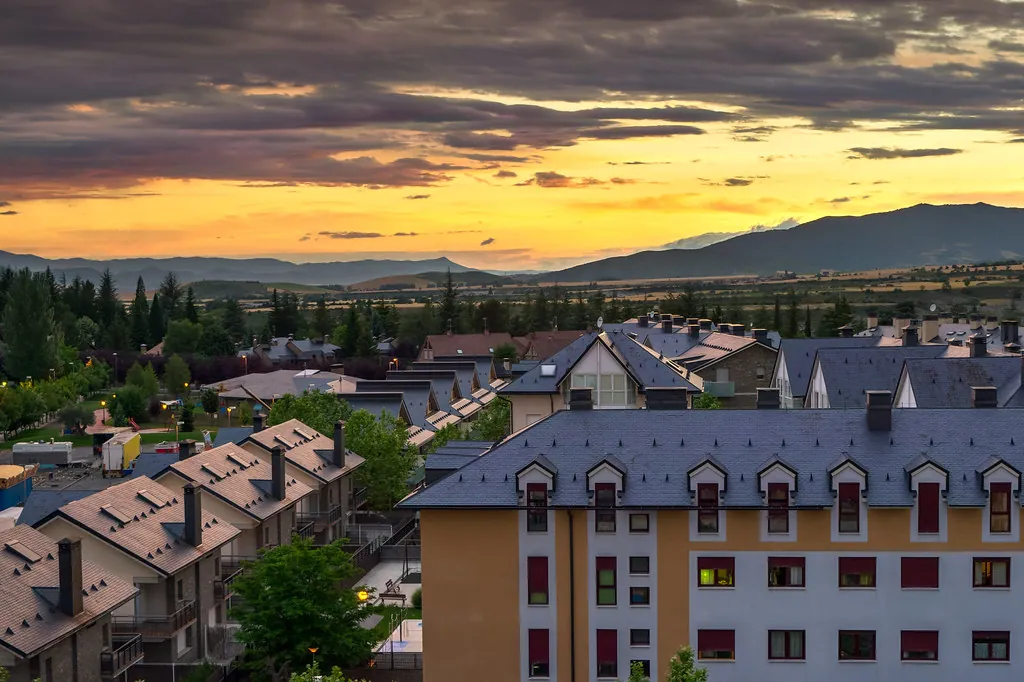
Walk the single main street and the buildings tell their own story. These aren't the whitewashed cubes of Andalusia or the half-timbered houses of northern Spain. Local stone—grey, durable, unforgiving—forms walls that have withstood centuries of cierzo winds. Wooden eaves project over narrow lanes, providing shelter from summer sun and winter snow alike. Some houses stand restored, their mortar fresh and windows smartly painted. Others remain in gradual decline, their empty rooms testament to decades of rural exodus.
The parish church anchors the village centre, its modest proportions reflecting both the community's size and its practical nature. No soaring Gothic arches or elaborate Baroque facades here. Just solid stone walls and a bell tower that serves its purpose without pretension. Step inside and the temperature drops noticeably—a natural air conditioning system that locals have relied upon long before energy efficiency became fashionable.
From almost any vantage point, Moncayo dominates the horizon. At 2,313 metres, it's the highest peak in the Iberian system, and its presence shapes everything in Los Fayos. The mountain catches clouds, creating microclimates that can see the village basking in sunshine while storms rage on the summit. In winter, its snow-capped peak provides a dramatic backdrop for the stone houses. Come summer, the mountain turns a blue-grey colour that seems almost painted until you realise it's the natural hue of sun-baked limestone and scrub.
Walking the Margins
The reservoir changed everything when it arrived in the 1950s, flooding farmland and altering the village's relationship with the valley floor. Yet it's become integral to Los Fayos's identity. Morning walks along the service roads reveal herons fishing in shallow waters, while the cliffs above host nesting raptors. The contrast is striking: cultivated olive groves give way to wild maquis, reservoir-edge reeds to pine forest higher up.
Several walking routes start from the village proper, though calling them "signed" would be generous. Local knowledge helps, as does basic Spanish—the bar owner can sketch directions on a napkin that prove more reliable than any map. Paths range from gentle reservoir-side strolls to more demanding climbs toward Moncayo's lower slopes. Spring brings wildflowers to the meadows; autumn paints the oak woods copper and gold. Summer walking starts early—by 11am the heat becomes oppressive, sending sensible walkers back to village shade.
Winter transforms the landscape entirely. Snow isn't guaranteed in the village itself, but it's never far away. The road from Tarazona can become treacherous, and the mountain tracks that seemed inviting in October turn distinctly serious come December. This isn't Alpine territory with ski lifts and mulled wine. It's raw Iberian winter, when the village turns inward and visitors require genuine commitment.
What Arrives on the Plate
Food here reflects altitude and isolation. The Ebro valley's vegetables appear, but mountain influences dominate. Migas—fried breadcrumbs with garlic and chorizo—feature on every menu, originally devised to use stale bread in a place where shopping trips were weekly, not daily. Local lamb, roasted slowly with herbs gathered from the surrounding hills, tastes of the scrubland it grazed. During autumn mushroom season, the forests yield chanterelles and boletus that appear in seasonal specials at the two village restaurants.
Wine comes from the lower Ebro valleys—robust reds that stand up to hearty food. The local speciality, though, is aguardiente, a clear spirit that burns pleasantly and explains why village fiestas continue until dawn. Don't expect sophisticated cocktail lists or international cuisine. The menu is short, seasonal, and cooked by people who learned at their grandmother's elbow rather than culinary school.
When the Village Wakes
August transforms Los Fayos. The patronal fiestas bring back emigrants from Zaragoza and Barcelona, tripling the population overnight. Suddenly the silent plaza fills with conversations, the bar runs out of tables, and fireworks echo off the cliff face. It's the best and worst time to visit—authentic certainly, but accommodation books up months ahead and the village's usual tranquility disappears under a wave of reunion and celebration.
Spring offers a gentler experience. The romería to Moncayo's sanctuary draws villagers in traditional dress, processing through almond blossoms and emerging wheat fields. It's religious devotion mixed with social occasion, where elderly women recite rosaries while teenagers whisper plans for later meet-ups. Visitors are welcome to join the walk, though participating in the mass requires either Catholic faith or respectful observation.
Getting There, Staying Put
Zaragoza lies 90 minutes away by car, Tarazona just 20. Public transport exists but requires patience—two buses daily from Tarazona, timed more for schoolchildren than tourists. Hire cars prove essential for genuine exploration, though the final approach road narrows alarmingly where the cliff meets the reservoir.
Accommodation means rural casas, converted village houses sleeping four to eight. Expect stone walls a metre thick, Wi-Fi that works sporadically, and heating that copes with everything short of full Arctic conditions. Prices hover around €80-120 per night for a two-bedroom house, dropping substantially for longer stays outside peak season. Breakfast provisions arrive in a basket: local bread, olive oil from down-valley, honey from hives that spend summer on Moncayo's lower slopes.
Los Fayos won't suit everyone. Those seeking nightlife, shopping, or extensive facilities should stop in Tarazona. But for travellers interested in how Spanish mountain villages actually function—how people live with extreme weather, limited resources, and the constant presence of the mountain—Los Fayos offers something increasingly rare. It's a working village that happens to accept visitors, rather than a tourist destination that happens to have residents.
Come prepared for silence after 10pm, for conversations that require effort and Spanish, for weather that changes hourly and services that close without warning. The reward is authenticity without artifice, mountain air without ski resort prices, and the gradual realisation that places like Los Fayos represent something Britain largely lost two generations ago: communities that know exactly who they are and see no reason to pretend otherwise.