Full Article
about Luceni
Ocultar artículo Leer artículo completo
The irrigation gates on Luceni’s main canal still open at dawn, exactly when the mayordomo decides the soil is dry enough. No app pings, no neon sign flashes; just the creak of timber and a sudden rush of muddy water that you can hear from the single-bar terrace if you’ve ordered coffee early enough. That sound is the village timetable: fields first, everything else after.
River Soil, Plain Houses
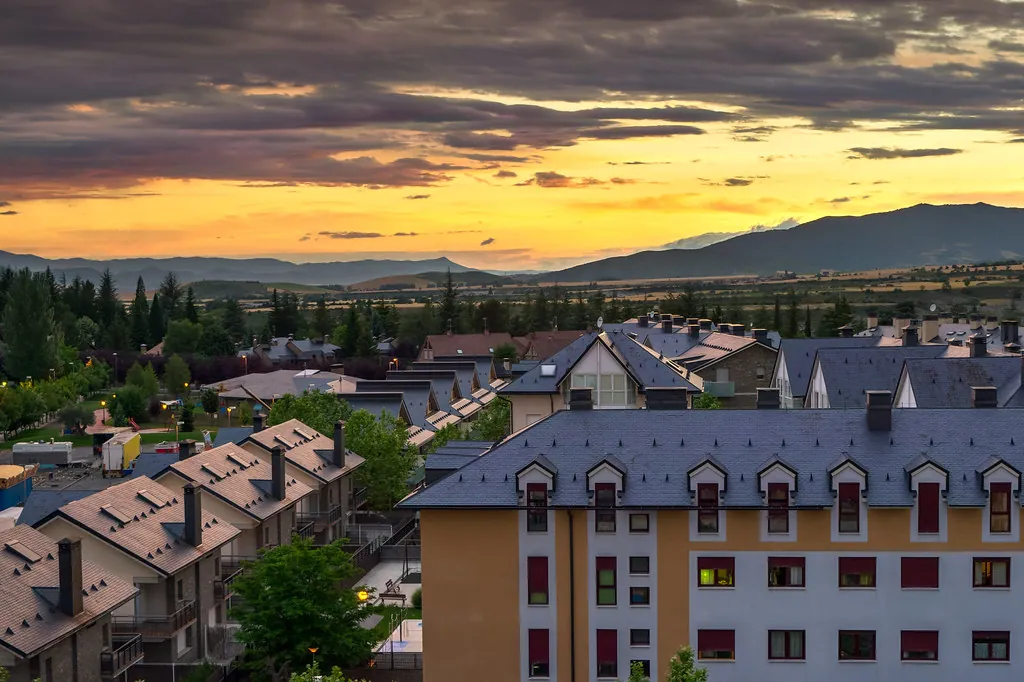
Luceni sits 234 metres above sea level on a shelf of the Ebro’s flood plain, forty minutes north-west of Zaragoza by car. The Pyrenees are visible on crisp winter mornings, but here the land is relentlessly flat, parcelled into rectangles of onions, alfalfa and fruit trees that push right up to the back walls of houses. Stone courses at ground level give way to ochre plaster; upstairs balconies are just deep enough for a drying rack and a geranium. Nothing is postcard-pretty, yet the place makes sense the moment you see the water channels slicing between streets. The village was planned around irrigation, not Instagram.
There is no medieval core or castle mound. The parish church of San Pedro is the tallest thing around, its tower a plain 18th-century prism that doubles as the mobile-phone mast location. Inside, the air smells of candle wax and river damp; retablos painted tobacco-brown by centuries of incense honour local brigadiers who never quite made it into the national history books. You’ll be inside for ten minutes, fifteen if you read every plaque. That’s fine – Luceni measures visitor attractions by usefulness, not volume.
Walking, Fishing, Then Closing Time
What the village does offer is space to move without a rucksack full of waterproofs. A grid of dirt lanes, each numbered in fading white paint, links the settlement to the Ebro proper, two kilometres south. The river arrives broad and slow, sliding past poplar groves where nightingales practise at dusk. Kingfishers flash upstream in early spring; cuckoos arrive late March and keep shouting until June. Paths are level, stiles are rare, and a circular walk to the ruined riverside mill and back takes ninety unhurried minutes. In May the banks smell of fennel; in September they smell of rotting fruit – both are worth the detour.
Anglers come for carp and barbel. A day licence costs around twelve euros from the regional website; print it because the Guardia Civil do check and the fines are eye-watering. Best swims are under the poplars east of the footbridge where the depth drops to three metres. Spinning for pike works after the first autumn storms; summer is strictly float-fishing at dawn before the sun makes the water mirror-bright and the fish dive for cooler mud.
The single bar, Casa Roque, opens at seven for field workers and shuts at four for the siesta lull. Come back at seven-thirty and you’ll find the same men arguing over cards, now with a beer instead of a tractor key. The menu del día costs €11 and lands on the table within six minutes: vegetable soup thick enough to stand a spoon, grilled pork with chips, and flan that tastes more of burnt caramel than custard. Vegetarians get scrambled eggs on toast – this is not the place to lecture about plant protein. Order the house tinto; it arrives chilled and slightly fizzy, perfectly acceptable once you remember it costs €1.50 a glass.
Beds, Banks and Buses – the Logistics
Accommodation is the limiting factor. The municipal pilgrim refuge has eight bunks, a kettle and a shower that stays hot for four minutes. Donation box by the door; bring your own towel. If that’s full – and it often is during April–May Camino traffic – the nearest hotel is ten kilometres away in Alagón, a workaday town with two star-rated places and an ATM that actually dispenses cash. Luceni has no bank, no petrol station and no shop selling fresh milk. Stock up before you arrive or sweet-talk the bar owner into selling you a litre from his kitchen fridge.
Public transport exists on paper. A school bus leaves Alagón at 07:15, pauses at Luceni’s football pitch, and returns at 14:00. That’s it. Saturdays, Sundays and festival days the service disappears entirely. A pre-booked taxi from Alagón station costs €18 each way (Radio Taxi Alagón, +34 976 88 00 00). From Zaragoza airport the arithmetic runs: Ryanair in, airport bus to Delicias, regional train to Alagón, taxi to Luceni. Total journey time two hours if the planets align, three if they don’t. Hire cars solve everything and parking beside the plaza is free.
When the Village Lets Its Hair Down
Fiestas are short, loud and over by midnight. The main burst is the last weekend of July: evening mass, procession with a brass band that has played the same three pasodobles since 1983, then a disco rig parked on the football pitch. Teenagers drink vodka-limon out of plastic coke bottles while grandparents watch from folding chairs. Foreigners who stand at the edge with a beer are welcome; nobody will ask you to dance, nobody will try to sell you anything. Monday morning the speakers are gone and the only evidence is shredded streamers in the plane trees.
Easter is quieter – a hooded fraternity, no blood-curdled statues, just measured drumming down the main street and free glasses of aniseed liqueur handed out by women who refuse to take payment. If you stumble upon either event, keep voices low during processions and don’t block garage entrances; tractors need to get out for evening watering whatever Christ is doing.
Heat, Cold and the In-Between
Climate follows the river calendar. July and August hit 38 °C by mid-afternoon; shade is scarce and the bar terrace faces south-west, so mornings are the only sensible time to move about. Conversely, December fog can sit for days, leaving every leaf edged with grey silt and the temperature hovering just above freezing. Spring and autumn are the sweet spots: mid-twenties by day, cool enough at night for proper sleep. Rain is rare but torrential – if the sky turns purple over the Ebro, sprint for cover; the streets channel run-off like mini-aqueducts.
A Final Word of Moderation
Luceni will not change your life. It offers no boutique hotels, no Michelin mention, no hilltop castle for sunset selfies. What it does give is a working example of how irrigation, soil and small-community rhythm still intertwine along Spain’s least romanticised river. Come if you need a pause between cities, if you like the smell of tomatoes on the vine, or if you simply want to walk a flat kilometre without seeing another human. Keep expectations modest, bring cash, and remember the water gates open at dawn – everything else follows from there.