Full Article
about Maicas
Ocultar artículo Leer artículo completo
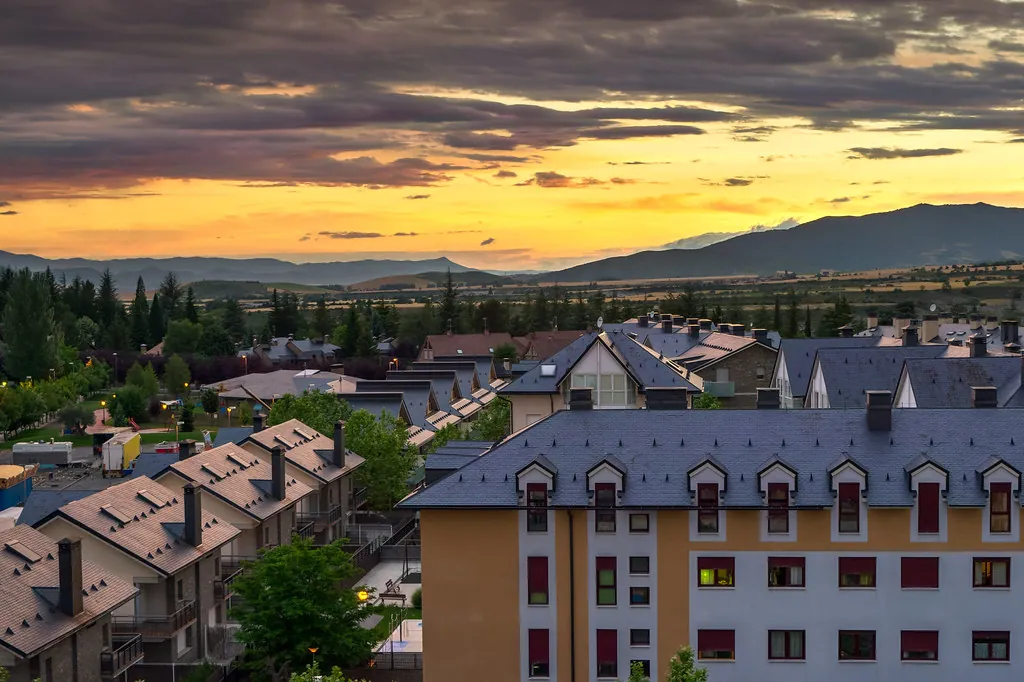
Thirty-one souls live at 955 metres in Maicas, and the silence up here weighs differently. Stand in the single plaza at 7am and you'll hear nothing but your own pulse, plus perhaps a dog barking two streets away. The village sits on a lip of land in the Cuencas Mineras, those exhausted coal valleys north-west of Teruel, and the landscape rolls out like a crumpled paper bag: ochre ridges, sudden gullies, and pine plantations that look almost black against the bleached cereal stubble.
There is no coast, no mountain resort glamour, no weekend craft market. What Maicas offers is a calibration check for anyone who thinks they know rural Spain. Mobile reception flickers. The nearest supermarket is 25 minutes down the TW-80, a road that narrows to a single lane when two tractors meet. Yet the place functions: the church bell still rings for mass, bread arrives in a white van on Tuesdays, and the bar (really the front room of someone's house) opens on Saturday evenings if you knock loudly enough.
Stone, Adobe and the Art of Staying Put
Houses climb the slope in short, steep alleys. Walls are river stone below, adobe brick above, the whole roofed with curved terracotta that glows rust-red after rain. Some façades have fresh mortar; others display the pock-marks of decades where the render has fallen away like old scabs. It is honest decay, not the curated ruin that estate agents in Madrid photograph for "authenticity". Planning rules here are strict: new builds must use traditional materials, which explains why the village hasn't been colonised by glass cubes. The result is continuity rather than museum perfection, and the difference is visible in the way neighbours lean from balconies to swap seed potatoes, not Instagram handles.
The only monument in the conventional sense is the parish church of San Miguel Arcángel, a single-nave fortress finished in 1753. Its walls are a metre thick; swallows nest in the bell tower and leave chalky silhouettes on the plaster. Step inside during mid-morning and the temperature drops ten degrees—welcome in July when the plateau outside reaches 34°C, but bone-cold in January. The retablo is plain pine, painted in sober reds and blues; no dripping gold leaf, just the functional faith of people who once measured distance by how far a mule could walk before dark.
Walking the Dry Ridges
Paths start directly from the last street lamp. One track drops into the Barranco de la Hoz, a ravine where griffon vultures ride thermals that rise off the sandstone. Another climbs gently through Aleppo pine to the abandoned hamlet of Los Almadenes, roofless since the 1959 agrarian reform sent families to the Ebro delta. The walking is easy-medium: distances are short but the altitude makes itself known if you are used to sea level. Carry water; fountains marked on the 1:50,000 map dried up in the 1998 drought and never came back. Spring brings thyme and tiny white orchids; autumn smells of damp resin and wild boar diggings. There are no way-marked circuits, so download the IGN raster maps before you lose signal.
Wildlife sightings depend on how quietly you move. Corzos (roe deer) feed at first light on the terraced almond groves; their outline is the colour of dry leaves until they move. Wild boar appear after dusk—impressive at thirty paces, less amusing if you meet a sounder on the track back from the bar. Binoculars add golden eagles, crested tits and the occasional Egyptian vulture, though locals shrug: "They've always been here."
What Arrives in the Back of a Van
Food follows the calendar. In late April the mobile fishmonger from Vinaròs appears with boxes of gilt-head bream still smelling of Mediterranean salt—expensive at €18 a kilo, but the only fresh seafood until next week. Mushrooms appear in restaurant chit-chat before they surface in the woods: when summer storms soak the high sierra, someone’s cousin will drive up with a sack of níscalos (saffron milk-caps) to swap for a bottle of local garnacha. Game is subtler; you will taste it in the rich stock of the cocido de conejo without anyone using the word "hunt". Expect fixed menus at €12–14: soup with noodles, grilled lamb cutlets, flan burned on top exactly the way British puddings never are. Vegetarian? Ask the day before or settle for tortilla.
The bar stocks one red wine, one white, both from Bajo Aragón cooperatives. They pour to the brim and charge €1.50. Closing time is whenever the owner’s daughter finishes her homework.
When the Village Remembers Itself
For 362 days Maicas murmurs. Then, on 29 September, the fiesta of San Miguel cranks the population up to 400. Returning families park cars in the dry riverbed and string lights between the poplars. A brass band arrives from Vinaceite, plays until 3am, and departs with half the village hung-over on almond liqueur. Visitors are welcome but not spotlighted: buy a raffle ticket (€3) for a ham, dance the jota in the plaza, accept the plastic cup of beer pressed into your hand. Accommodation within the village is impossible during those three days—book in neighbouring Escucha or drive back to Teruel.
Smaller gatherings happen on the eve of the Magi (5 January) when children drag a pine branch door to door for the "foguera" bonfire, and again on 15 May for San Isidro, when locals walk behind a tractor to bless the fields. These events are not advertised; you either see the smoke or you don't.
Getting There, Staying Warm
From Teruel, take the A-23 north for 28km, exit at La Puebla de Valverde, then follow the A-1702 through Escucha. The final 10km (TW-80) twists through pine forest, asphalt patched so often it resembles black crochet. In winter the surface ices quickly at 900m; carry chains even if the hire company says "all-season tyres". Buses reach Escucha on weekdays; after that you need your own wheels or a pre-booked taxi (€35).
Rooms are rented by word of mouth: three village houses have been restored as casas rurales, sleeping four to six, €70–90 per night. Heating is pellet stove or electric—check before you arrive, because night temperatures drop below zero from November to March. Mobile coverage is Vodafone or nothing; O2 and EE roam on Spanish Vodafone but data crawls at 3G. Wi-Fi exists in one house, intermittently. Accept the disconnection as part of the package.
Leave the Checklist at Home
Maicas will not deliver a highlight reel. There is no mirador with selfie platform, no artisan cheese shop, no sunrise yoga deck. Instead you get a village that has refused to die, negotiating each year with emigration, harsh climate and the slow forgetting of place names. Come if you want to measure Spain against a quieter metre, to walk without meeting anyone for two hours, to sit on a stone wall while the light turns the opposite slope the colour of burnt biscuits. Leave when the wind picks up and you realise the petrol gauge is nudging red—because the next filling station is 35 minutes away and tomorrow is Monday, when Maicas will count its 31 inhabitants again and fall silent.