Full Article
about Maluenda
Ocultar artículo Leer artículo completo
The church bell strikes noon as an elderly gentleman emerges from a stone doorway, carrying a loaf of bread and a bottle of wine. He doesn't glance at the 15th-century tower of San Miguel Arcángel overhead—why would he? In Maluenda, medieval masonry forms the backdrop to daily life, not the purpose of it.
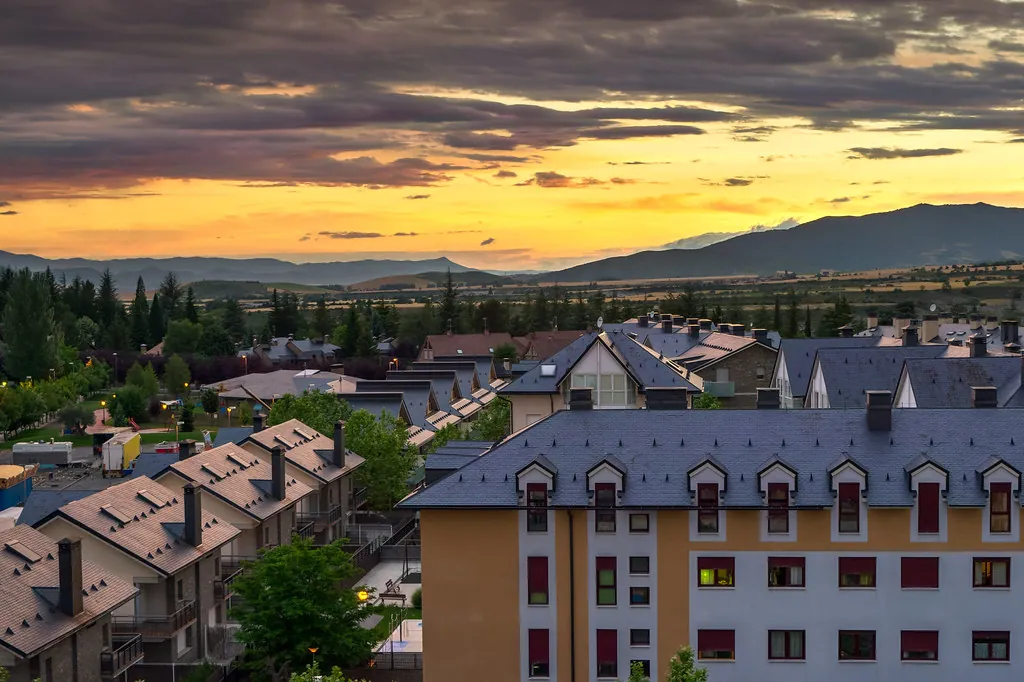
At 581 metres above sea level, this agricultural settlement spreads across rolling hills where the Jalon Valley narrows towards the Iberian foothills. The altitude makes a difference. Summer mornings arrive cooler than Zaragoza's plain below, winter afternoons carry a bite that sends villagers indoors early. The surrounding vineyards—source of Calatayud DO wines—change character with the seasons, from spring's bright green shoots to autumn's bronze tapestry.
Working Fields, Living Stone
Maluenda functions primarily as a farming community rather than a tourist showcase. Roughly a thousand residents maintain the rhythms of rural Aragon: early starts, lengthy lunches, evening paseos along streets where traditional stone houses neighbour pragmatic 1970s builds. This isn't a museum piece—it's a working village where agricultural machinery rumbles past Romanesque arches and teenagers gather beside medieval walls.
The parish church of San Miguel dominates the skyline with its distinctive Mudejar tower, brick and stone creating geometric patterns that catch the evening light. Inside, the collection of religious art spans centuries of local devotion. The building evolved rather than being preserved—extensions and modifications reflect changing needs rather than heritage considerations. Entry is free, though donations maintain the fabric.
Beneath many houses lie cellars carved into bedrock, evidence of centuries of wine production. Some still function; others store bicycles and gardening equipment. These underground spaces maintain steady temperatures year-round, perfect for both wine storage and escaping August's heat.
Wine and Earth
The local economy revolves around viticulture. Garnacha grapes thrive in the continental climate—hot days, cool nights, minimal rainfall. Family-run bodegas operate from converted farm buildings, producing robust reds that pair naturally with Aragonese cuisine. Visits require advance arrangement; phone numbers appear on weathered signs beside gates. Expect straightforward tours rather than multimedia experiences, tastings conducted by people who made the wine rather than marketing graduates.
Restaurant El Churrion serves traditional dishes without modern flourishes. The menu changes seasonally—ternasco (milk-fed lamb) in spring, hearty stews during winter, migas (fried breadcrumbs with chorizo) year-round. Local vegetables appear when ready, not when demanded. Prices remain reasonable; a three-course lunch with wine costs around €15.
The surrounding landscape offers walking rather than serious hiking. A 45-minute climb leads to castle ruins above the village. The fortress collapsed centuries ago—only fragments of walls remain—but the panoramic views across the Jalon Valley reward the effort. Paths continue through vineyards and almond groves, connecting with neighbouring villages via agricultural tracks suitable for walking or cycling.
Seasons and Celebrations
Spring brings almond blossom and emerging vines, ideal temperatures for exploration. Summer intensifies—temperatures reach 35°C, though evenings cool pleasantly. Many businesses close during August's heat; locals escape to coastal family homes. Autumn transforms the landscape as vines turn copper and gold, harvest activity fills the air, and temperatures settle into comfortable ranges. Winter arrives properly—night frosts, occasional snow, definitely not the eternal sunshine some expect from Spain.
Late September's fiesta honours San Miguel, coinciding with harvest. Processions wind through streets decorated with garlands, brass bands play until dawn, temporary bars serve local wine to returning emigrants. The atmosphere mixes religious devotion with agricultural celebration; visitors welcome but tourism isn't the focus. Accommodation books up early—many beds belong to ex-villagers returning from Zaragoza or Barcelona.
August's smaller Virgin celebration offers gentler insights into community life. Evening masses lead to outdoor suppers where extended families occupy folding tables in squares. The pace unhurried, the food homemade, the conversation exclusively Spanish—no multilingual menus or tour group discounts here.
Getting There, Staying Put
Maluenda sits 85 kilometres from Zaragoza along the N-234 towards Soria. The drive takes an hour through increasingly empty landscapes—first industrial estates, then cereal plains, finally rolling hills dotted with isolated farmhouses. Public transport exists but requires planning; two daily buses connect through Calatayud, journey time extends to two hours including connections.
Accommodation remains limited. One rural guesthouse operates within converted farm buildings outside the village centre. Otherwise, Calatayud—20 minutes drive—provides conventional hotels. Many visitors base themselves there, making day trips into wine country. This works practically but misses evening atmosphere when day-trippers depart and villages reveal authentic rhythms.
The village supports basic services: a small supermarket, bakery, two bars, a pharmacy. ATMs don't exist—bring cash. Mobile coverage varies by provider; some networks work perfectly, others struggle with the topography. English isn't widely spoken beyond basic tourist phrases; attempts at Spanish receive warm responses and often complimentary tapas.
Weather catches visitors out. At 581 metres, Maluenda experiences proper seasons. Pack layers even in summer—mornings start cool, afternoons sizzle, evenings require jumpers. Winter visitors need proper coats; heating inside stone buildings works effectively but outdoor temperatures drop below freezing.
Maluenda won't suit everyone. Those seeking organised entertainment, extensive restaurant choices, or souvenir shopping should continue to larger towns. Visitors requiring constant connectivity, late-night bars, or English-language services face frustration. The village offers instead an unfiltered glimpse of rural Spain—where medieval structures shelter modern lives, where wine production continues traditions established centuries ago, where lunch remains the day's central event rather than a refuelling stop between attractions.
Come for the wine, stay for the authenticity, leave before the quiet becomes too quiet.