Full Article
about Manzanera
Ocultar artículo Leer artículo completo
The church bell strikes seven and nobody stirs. At 970 metres above sea level, dawn arrives late in Manzanera; the stone houses stay shuttered while pine resin freezes on the surrounding slopes. This is not a village that performs for visitors. It simply continues—winter fodder stacked against stable walls, wood smoke threading from chimneys, the bakery’s lights flicking on because the baker has always started at this hour.
Manzanera hangs on the last褶皱 of the Sierra de Gúdar like a question mark. Below, the Teruel plains stretch grey-green towards Valencia; above, forest tracks coil into 1,600-metre ridges. The population—533 at last count—doubles when university-aged children return for fiesta weekend and halves again when shepherds follow the transhumance routes south. Permanent residents speak with the slow vowels of upper Aragón, rolling the r as if tasting it, and they still measure distance in walking time: “Teruel? Two hours if the N-234 isn’t crawling with Dutch caravans.”
Stone, Snow and Silence
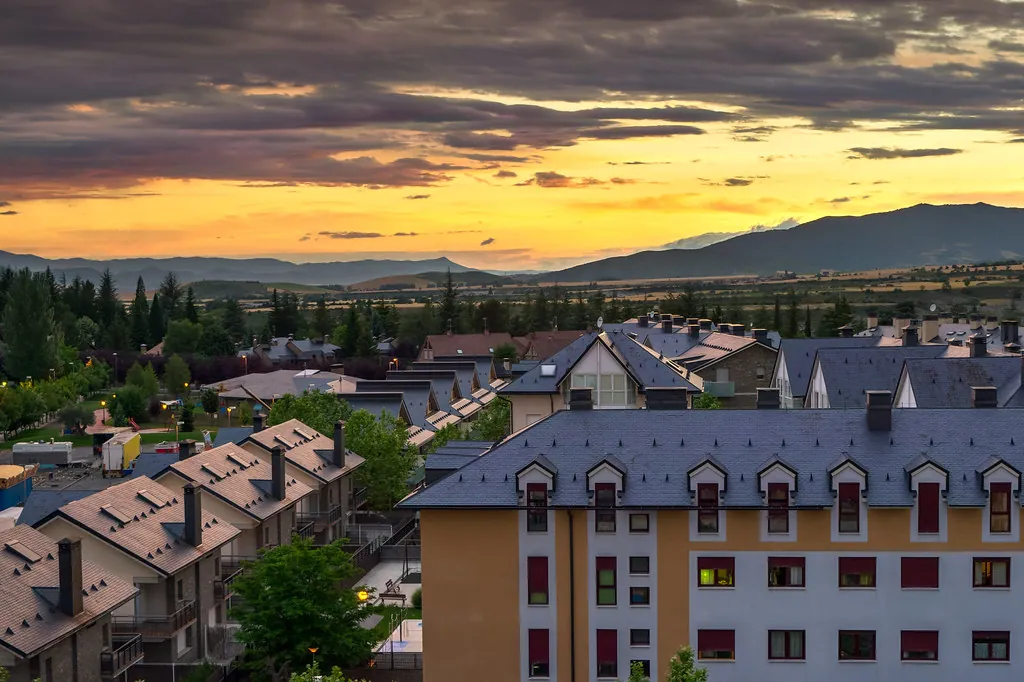
The village fabric is obstinately local: mottled limestone from a quarry that closed in 1983, timber beams cut from the same pine woods that now shelter wild boar, clay tiles fired in nearby Sarrión. Wander the upper lanes—Calle de los Hornos, Callejón de la Cruz—and you’ll see twentieth-century cement squeezed between sixteenth-century walls, bright PVC windows punched into medieval gaps. Conservation here is pragmatic, not cosmetic; a house is repaired when the frost lifts the roof, not when a grant application succeeds.
That honesty extends to temperature. Night thermometers dip below freezing on two hundred days a year; snow can arrive in October and refuse to leave until April. Roads are cleared fast—ski traffic for Javalambre and Valdelinares depends on it—but side streets compress into ice slides that test even four-wheel drives. Come prepared: in July you’ll need a fleece at 9 p.m.; in January you’ll need chains, patience, and a thermos of something strong for the hour-long crawl from Teruel airport.
Forests that Work for a Living
Leave the last streetlamp behind and the sierra reverts to industry. Pines are tapped for resin, logged for pallets, seeded for mushrooms. Signed paths strike out from the cemetery gate: the PR-TE-59 loops 12 km through black-pine and box scrub to the abandoned farm of El Pinarillo, altitude gain 350 m, views south to the Maestrazgo escarpment. Waymarking is sporadic—two paint slashes then nothing for half a kilometre—so print the track or accept the possibility of spending an afternoon with the goats. Mountain bikers use the same web of forest roads; expect dust clouds in late summer and tyre ruts that freeze into concrete ridges.
Wildlife follows the human rhythm of avoidance. Wild boar root beyond the rubbish bins; boot prints of red deer cross the path to the spring; golden eagles circle over the ridge at noon when thermals rise. Mushroom pickers work the slopes after September rain: Lactarius sanguifluus, Craterellus cornucopioides, the coveted Boletus aereus. Bring a basket, a folding knife and the permit (free from the town hall website) or risk a €300 lecture from the Guardia Civil.
Lamb, Honey and the Long Lunch
Gastronomy is dictated by altitude. Cabbage and potatoes survive frosts; tomatoes don’t. The daily menu at Bar La Sierra—€12 mid-week, €15 Sunday—starts with migas (fried breadcrumbs laced with pancetta and grape) followed by ternasco (milk-fed lamb) roasted in a wood oven whose temperature is judged by the cook’s forearm. Portions are built for men who’ve spent the morning hauling resin sacks; ask for media ración if you want to stay awake for the afternoon walk.
Local honey carries the resinous tang of pine; buy it from the cooperative behind the medical centre, mornings only. Cheese arrives from a single dairy in Gúdar: semi-cured sheep’s milk, nutty, slightly acidic, wrapped in waxed paper that sticks to the rind. Pair it with the region’s underestimated red, Pago de los Vivares—£9 in the village shop, £14 online—then wonder why British supermarkets bother with Rioja.
When the Village Decides to Celebrate
Fiestas are not staged for tour groups; they’re family reunions that outsiders may observe provided they buy a drink. The main event honours the Virgen de la Candelaria (nearest weekend to 2 February), when villagers drag pine trunks down from the forest for a bonfire that melts tarmac. Fireworks start at midnight; temperatures hover around –4 °C so the plaza fills with down-jacketed silhouettes passing plastic cups of mistela. In mid-August the Feria del Ganado trails livestock through the same streets: bleating lambs, mules wearing brass bells, one confused alpaca imported by a cousin from Zaragoza. Admission is free; earplugs recommended.
Getting There, Staying Warm
Teruel’s tiny airport receives exactly two flights a week—Manchester on Thursday, London-Stansted on Sunday (winter schedule, Ryanair, £38 return if you book while still drunk on Tuesday). Hire cars wait in the arrivals hut; reserve in advance or face a €90 cab ride. From the airport it’s 60 km: A-23 to Sarrión, then N-234 twisting to 1,200 metres before dropping into Manzanera. Petrol stations close at 20:00; fill up in Teruel or risk spending the night with the truckers at Puerto de Escandón.
Accommodation is limited. The municipal albergue (€18 dorm, €30 double) occupies a refurbished school; radiators work but bring a sleeping bag for draughty February nights. Camping Villa de Manzanera stays open year-round: level pitches, hot showers, washing machine €4, five-minute walk to the bakery. They don’t do electric hook-ups in winter—generator freezes—and the bar shuts on Tuesdays. Alternative bases lie 25 km away in Mora de Rubielos or Rubielos de Mora, both prettier, both busier, both lacking Manzanera’s dawn silence.
The Catch
There is no romantic catch, only practical ones. Phone signal dies in the narrow lanes; the chemist opens three mornings a week; if the snow gate on the TE-V-9031 closes you’re stuck until the plough appears. Manzanera will not entertain you. It offers height, cold air, the smell of pine and lamb, the sound of your own boots echoing off stone. Accept those terms and the sierra answers back with something increasingly rare: a Spanish village that is still busy being itself.