Full Article
about Mas de las Matas
Ocultar artículo Leer artículo completo
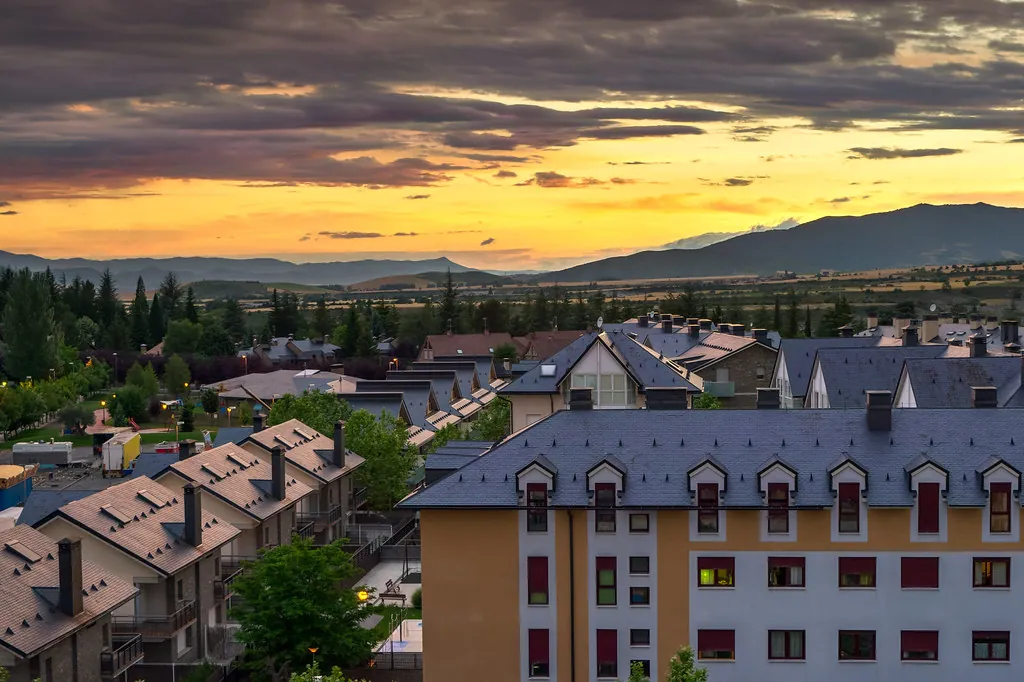
The church bell tolls 496 metres above sea level, and the sound carries clear across the cereal plains of Bajo Aragón. From the top of Mas de las Matas' 64-metre Baroque tower you can watch the morning light shift from apricot to brass over olive groves that disappear into the horizon. Somewhere down there, 1,255 inhabitants are stirring—fewer people than almond trees that explode into white blossom each February.
This is not one of those Spanish villages that pretends to be frozen in time. The stone houses have satellite dishes. The bakery opens at 06:30 so farmers can buy cigarettes and fresh trenzas before heading to the fields. Yet the place still runs on an agricultural calendar that most of Britain abandoned half a century ago. When the wheat turns gold in late June, half the village is out with combine harvesters. When the olives drop in November, the air smells of crushed fruit and diesel.
A Walk Through Working Aragón
Start at the Plaza de España, where elderly men occupy the same bench every morning as if assigned seats. The 16th-century parish church looms overhead, its tower the reference point for anyone who has managed to get lost in a settlement that takes fifteen minutes to cross. Inside, the gilded altarpiece is a riot of cherubs and cornucopias—exactly the sort of Baroque excess that makes English churchgoers blink. Look closer and you'll spot a worn step where centuries of parishioners have knelt for communion.
Head south along Calle Mayor and the houses shrink. Some are immaculate, freshly pointed in honey-coloured stone; others slump quietly, their timber doors blistered by sun. Iron balconies hold geraniums in old olive-oil tins. Every so often a tractor squeezes through, forcing pedestrians into doorways. There are no souvenir shops, no boutiques selling artisanal gin. The single gift outlet stocks plastic toys, work boots and the local almond pastry, dry enough to survive the journey home in a suitcase.
Outside the village the tarmac gives way to a dirt track that loops past the Ermita de San Roque. The chapel itself is locked unless you arrive on the saint's feast day, but the low ridge behind it makes a natural picnic spot. Spread a rug and you can watch storks drifting on thermals above the Ebro depression. On a clear day the outline of the Ports de Tortosa-Beseit mountains rises fifty kilometres south, a jagged reminder that the Mediterranean is closer than it feels.
When the Village Comes Alive
Most of the year Mas de las Matas ticks over with the quiet rhythm of a place where work starts early. Then, for one weekend each July or August, the population doubles. The Regreso del Comandante festival commemorates the 17th-century return of a local military hero. Suddenly the streets fill with costumed parades, musket fire and night-long concerts in the plaza. Visitors from Zaragoza and Valencia snap photos of period dances; children chase each other between market stalls selling leather water flasks and sugared almonds. Brits who have stumbled on the event by accident tend to describe it on TripAdvisor as "like stepping into a Sharpe episode, but with better wine."
Outside festival time the village follows a stricter timetable. Bars close by 22:00. The tiny tourist office opens Tuesday to Thursday, mornings only. If you want dinner after 21:00 you'll need to self-cater or make friends with someone who owns a barbecue. The nearest cash machine is 34 kilometres away in Alcañiz—draw euros before you arrive or you'll be paying for coffee with €50 notes, an exercise in rural awkwardness.
Plain Cooking, Good Oil
Spanish provincial cooking can be a lottery for British palates used to vegetables that still have a bite. Mas de las Matas keeps things simple: roast lamb, migas—fried breadcrumbs laced with garlic and grapes—and bowls of lentils enriched with morcilla. The set menu at MAS-evolución (yes, really) costs €14 and delivers proper greens alongside the meat. Their chocolate tart is closer to a Victoria sponge in texture, a safe choice for anyone who has been traumatised by wobbling flan.
Wash it down with Quercus, a tempranillo made twenty minutes up the road. The winery offers tastings in English if you email ahead; otherwise you'll be poured generous measures while the owner's son translates labels on the hop. Buy a bottle for later and you'll pay supermarket prices—no one here has caught on to the mark-ups that plague more celebrated regions.
Walking Without the Crowds
The tourist office can provide a photocopied map of three signposted walks. None are strenuous; all start at the edge of the village and loop back in time for a late breakfast. The almond-blossom route is the headline act between mid-February and mid-March, when the trees turn the fields bridal-white. In May the wheat is knee-high and green lanes smell of fennel. By July the earth is baked to biscuit and shade is currency—carry water and a hat.
Cyclists touring the Via Verde can detour north for a flat 12 kilometres on quiet farm tracks. The reward is a café con leche in the plaza and a chance to refill bottles before the return leg. Mountain bikers after serious climbs should aim for the Ports massif farther south; Mas de las Matas is resolutely horizontal.
Getting There, Getting Away
Ryanair's morning flight from Stansted lands in Zaragoza at 11:30 local time. Collect a hire car, point it east on the A-23 and you'll reach the village in under two hours. The final stretch from Alcañiz winds through olive groves and the occasional hamlet where dogs sleep in the road—drive accordingly. Public transport exists in theory: a Monday-only bus from Teruel that doubles as the school run. Unless your holiday plans revolve around sitting in an empty playground until Tuesday, bring wheels.
Leave time for the return journey. Motorway services north of Zaragoza serve better coffee than anything on the M25, and the airport is small enough that you can drop bags, buy saffron and still reach the gate before boarding starts.
The Quiet Sell
Mas de las Matas will never feature on a list of Spain's prettiest villages; it lacks the hanging balconies of Albarracín or the cliff-edge drama of Cuenca. What it offers instead is an unfiltered shot of rural Aragón—working, slightly weather-beaten, honest about its limitations. If you want nightlife, go to Valencia. If you want almond blossom, empty roads and a bar where the owner remembers how you take your coffee, this is the place. Just remember to bring cash, learn a few phrases of Spanish and adjust your body clock to a schedule that still answers to the fields rather than the internet.