Full Article
about Mazaleon
Ocultar artículo Leer artículo completo
The almond trees usually explode around 20 March. For ten days the hillsides above Mazaleón look like someone has shaken a snow globe: white petals drift across the olive terraces and settle on the stone walls that divide the smallholdings. After that the colour drains back to grey-green, the village returns to its normal tempo, and the only people who notice are the farmers checking their grafts and the occasional hire-car that has taken a wrong turn on the way to Valderrobres.
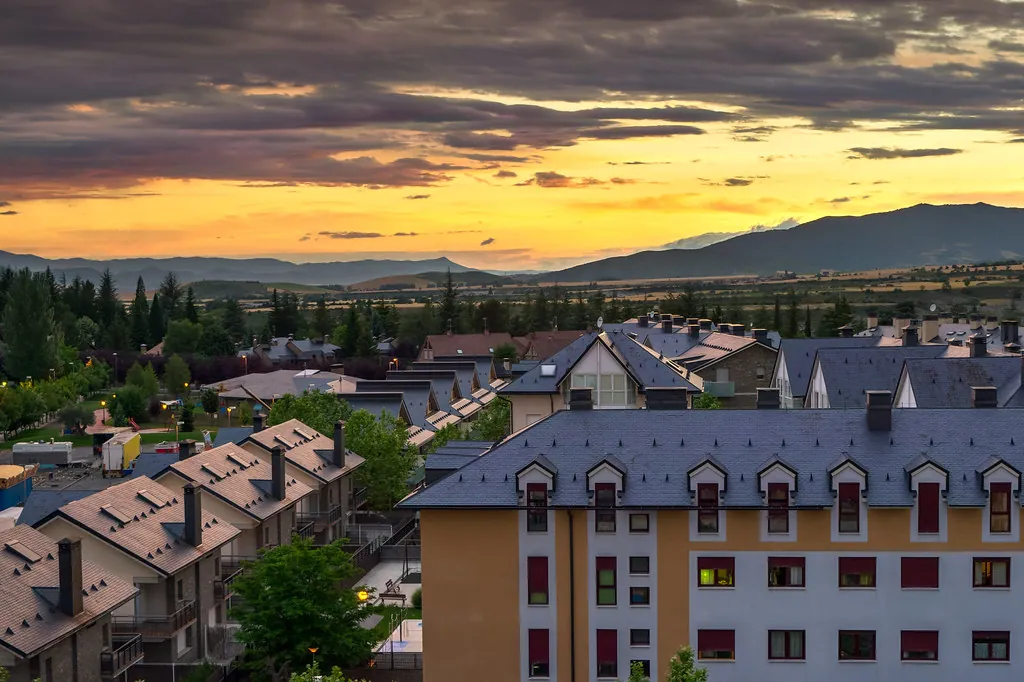
At 359 m above sea-level, Mazaleón is neither mountain eyrie nor river port. It sits in the fold of the Matarraña valley where Aragón nudges Catalonia, a grid of narrow lanes that stagger up a limestone ridge. The houses are built from the same pale rock, so from a distance the whole settlement appears to grow out of the ground, topped by the square tower of San Miguel Arcángel. Inside, the church is unexpectedly airy: late-Gothic ribs painted ox-blood red, a gilded altarpiece that survived the 1936 fire by being buried in the olive mill next door. The door is kept locked unless the sacristan is around; ask at Lo Café on Plaza Mayor and they will ring him for you.
There is no checklist of must-sees. The pleasure is in the scale: you can walk from one end of the historic core to the other in seven minutes, yet every alley delivers a shift in light, a waft of rosemary from a cracked pot, a view west to the Ports massif. House numbers stop at 92. Two streets simply give up and turn into agricultural tracks. Children still play fútbol against the 16th-century arch of the old town gate because the surface is flat and the ball bounces true.
Olive oil and other currencies
Work here follows the agricultural calendar. Between November and January the cooperativa fills the morning air with the smell of crushed olives; trucks queue on the N-211 laden with plastic crates that drip green-gold juice onto the tarmac. Visitors are welcome to watch the centrifuges spin, but there is no gift shop, only a clipboard where you write how many five-litre tins you want (around €35 each, cash in an envelope). The oil is low-acid, peppery at the back of the throat—good on toast with a scrape of tomato and salt, the local breakfast that costs €2.30 at Bar D’Angelo and arrives on a tin plate still warm from the grill.
Lunch, however, is where the village admits its limitations. Both bars close the kitchen at 3 p.m. and nothing edible reappears until after 8. If you arrive in the gap you will eat crisps or drive 20 km to Valderrobres. Vegetarians should also recalibrate expectations: the daily menu del dia (£11) runs to migas (fried breadcrumbs with pancetta), chorizo in cider, and a lamb chop that covers the plate. Order the ensalada mixta if you need green, and expect tuna on top.
Paths that peter out into thyme
The tourist office is a single shelf of leaflets in the ayuntamiento corridor, open on Tuesday and Thursday mornings. Ignore the glossy “Rutas del Matarraña” brochure; instead take the hand-drawn map sketched by the lady who cleans the foyer. It shows three walks that start at the cemetery gate and never stray more than 4 km from the last house. The red path dips into the Barranco de la Hoz where griffon vultures nest on basalt columns; the yellow loops through abandoned almond terraces where hoopoes stalk caterpillars; the blue simply climbs until the village sinks to toy size and the Ebro basin appears as a hazy plain 60 km away. None is strenuous, but summer heat is brutal—start at 7 a.m. or wait for the two-hour dusk window when the stones release their stored warmth and the air smells of thyme and diesel from the distant fruit farms.
Cyclists use Mazaleón as a pit-stop on the long climb from the coast to the Ports. The road from Alcañiz is a steady 5 % gradient, tarmac smooth, traffic one tractor every ten minutes. Bring two water bottles; the public fountain on Calle San Roque is reliable but the next one is in Beceite, 18 km east.
When the village decides to party
Fiestas are timed for the agricultural lull. San Miguel, 29 September, is the big one: brass bands, a procession with the polychrome statue shouldered by six farmers who practise the lift all summer, and a Saturday-night foam party in the polideportivo that leaves the square slippery for days. Outsiders are welcome but beds vanish early; the only accommodation inside the village is two self-catering apartments run by a British couple, Rachel and Neil. They leave a typed sheet of Holy Week timetables and directions to the nearest cash machine (25 km round trip). Price hovers around £95 a night; book three months ahead for the almond blossom window.
Winter is when Mazaleón remembers it is small. The temperature can drop to –4 °C, the mist parks in the valley for days, and the bars fire up braseros under the tables so locals linger over coffee until the sun burns through. Snow is rare but the access road is salted at the first forecast; without 4×4 you may wait a morning for the gritter. In August the process reverses: 38 °C by noon, shutters closed, streets empty except for the evening passeig when everyone—grandmothers, toddlers, dogs—circles the plaza twice before dinner.
Getting here, getting out
The nearest airports are Zaragoza (2 h 15 m drive) and Reus (1 h 45 m). Car hire is essential: the bus from Barcelona to Valderrobres runs twice daily but the onward taxi costs €25 and drivers go off-duty at 9 p.m. Motorways give way to the N-211, a fast but bendy single carriageway where grain lorries straddle both lanes on the uphill stretches. Petrol is 10 c cheaper in Aragón than Catalonia; fill up in Alcañiz if you are heading east.
Leave the car on the rough ground by the cemetery—narrower streets uphill are a mirror-loss waiting game. Parking discs aren’t required; common sense is. Sunday morning the square hosts an itinerant market: one fruit van, one underwear stall, a butcher who hawks blood sausage from a cool box. It packs up at 1 p.m. sharp.
The honest verdict
Mazaleón will not change your life. It offers no epiphany, no Instagram spike, merely a chance to calibrate your watch to a slower gear. Come for the almond blossom or the oil harvest, come because you have three days to kill between Teruel and the coast, but do not come expecting cosmopolitan nightlife or a choice of restaurants. The village is what it has always been: a working agricultural centre with just enough beds and coffee to accommodate the curious. Treat it as a pause rather than a destination and it delivers precisely what it promises—quiet, calories, and the sound, at 3 a.m., of absolutely nothing at all.