Full Article
about Mediana de Aragon
Ocultar artículo Leer artículo completo
The tractor drivers wave as they pass, a gesture that hasn't changed in decades. In Mediana de Aragón, this simple courtesy still matters. Located halfway between Zaragoza's irrigation channels and Aragon's dry cereal plains, this village of 450 souls offers something increasingly rare in modern Spain: an unfiltered view of rural life without the tourist varnish.
The Lay of the Land
Mediana sits in the Comarca Central, precisely where the Ebro Valley's green irrigation meets the golden expanse of dry farming. The contrast is stark, especially in spring when emerald vegetable plots butt up against amber wheat fields. By August, everything turns the colour of burnt toast under the unforgiving sun.
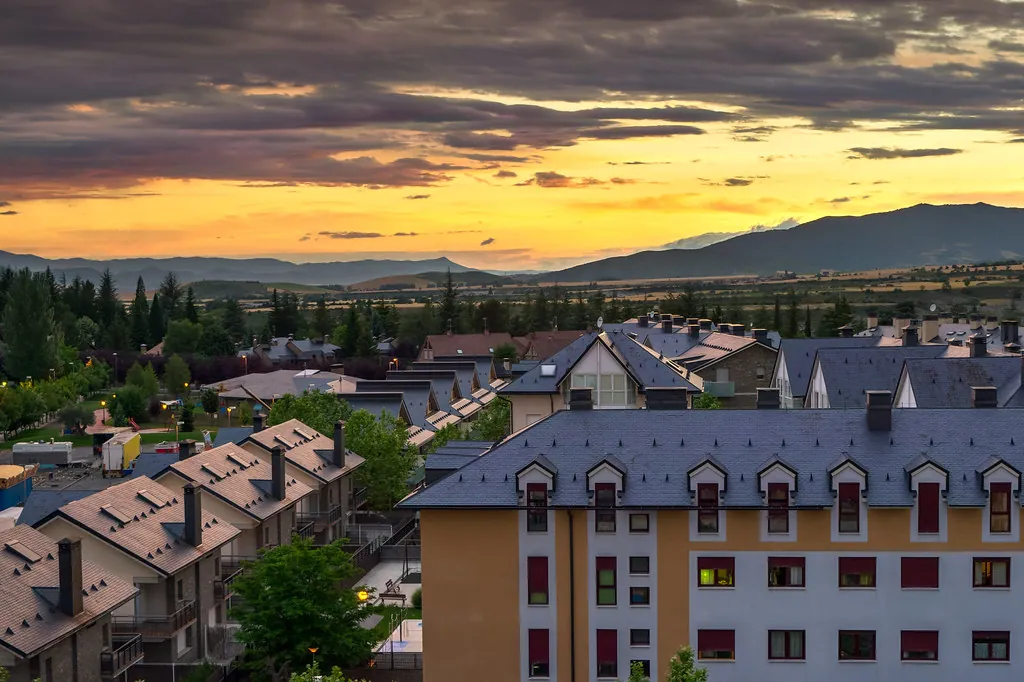
The village itself follows the classic pattern of Aragonese agricultural settlements: a compact nucleus centred around the parish church, surrounded by what locals call the "urbano" - the original settlement core. Adobe walls, Arabic tiles and thick masonry speak to centuries of adapting to extremes. Temperatures swing from summer highs touching 40°C to winter frosts that can catch the unprepared traveller.
The church tower dominates the skyline, its architecture a palimpsest of rural faith across centuries. Various renovations have left their mark - Gothic fragments rub shoulders with later additions, creating an honest record of a community that has always worked with what it had. Inside, the atmosphere is cool even during the fiercest summer heat, a refuge built for both body and soul.
Working the Land
This is farming country, pure and simple. The rhythm of tractors and harvesters sets the daily tempo, not tourist buses or souvenir shops. Early morning sees locals heading to fields that stretch to every horizon, following tracks barely wide enough for a single vehicle. The irrigation network - a maze of channels and ditches - represents engineering that predates Roman occupation, still functioning as designed.
Walking the agricultural lanes reveals the true organisation of Aragonese farming. Parcels are measured not in hectares but in generations worked. Small stone shelters dot the landscape, once used for midday shade during the intense summer harvest period. Many now stand empty, their original purpose forgotten by all but the oldest residents.
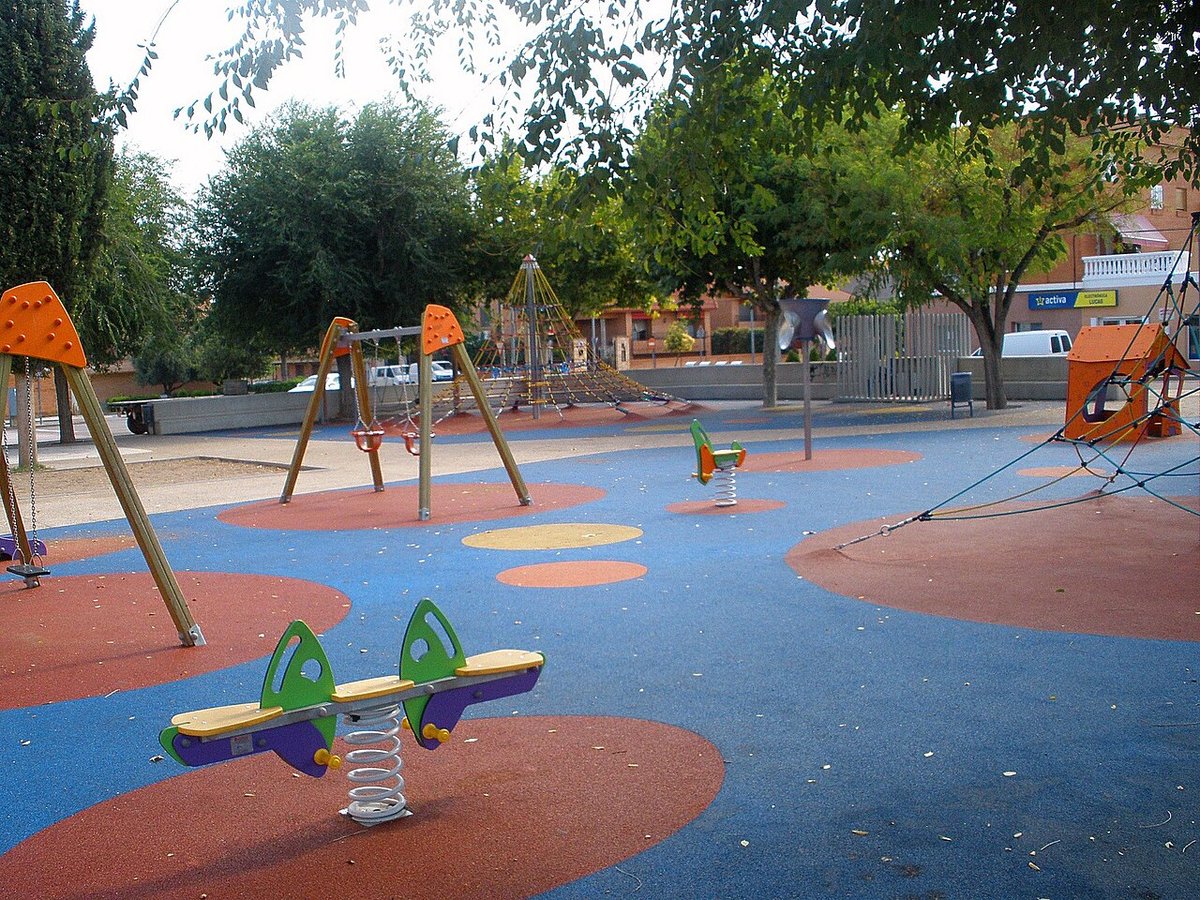
The village maintains its traditional eras - communal threshing areas - though most have been repurposed as car parks or recreation spaces. Look closely and you'll spot the original stone work, worn smooth by countless harvests. These spaces once rang with the sound of flails and the chatter of neighbours working together; now they host weekend football matches and the occasional fiesta.
What You'll Actually Find
Don't expect Michelin stars or boutique hotels. Mediana's gastronomy reflects its agricultural base: robust stews using garden vegetables, pork from traditional matanzas, bread baked with locally-milled flour. The village bar serves coffee that costs €1.20 and comes with conversation included. Menu del día runs to €12-15, featuring whatever's growing in nearby gardens.
The weekly shop happens in Zaragoza, 35 minutes drive south. Locals make the trip for anything beyond basic provisions, creating a weekly rhythm that sees the village quiet on market day. What shops remain cater to immediate needs: bread, basic groceries, agricultural supplies. The nearest supermarket sits fifteen kilometres away in Alagón, making car hire essential for visitors.
Accommodation options are limited to say the least. There's no hotel, no guesthouse, no Airbnb empire. The village functions on the assumption that visitors have family locally or are passing through. Staying means either day-tripping from Zaragoza (entirely feasible) or having made arrangements with local residents - something that requires Spanish and considerable advance planning.
Seasons and Sensibilities
Spring transforms the valley floor into a patchwork of intense greens. From late March through May, temperatures hover in the comfortable low twenties, perfect for cycling the flat agricultural tracks that connect village to village. The local fiesta patronal usually falls in early May, three days of processions, paella competitions and late-night verbena dancing that brings back anyone with family connections.
Summer hits hard. By July, shade becomes currency and the sensible retreat indoors between noon and four. Morning walks need finishing by ten; evening excursions begin after six. The landscape turns monochrome, everything the colour of straw under skies that rarely cloud. This is when the village empties as families head to coastal second homes, leaving a core of elderly residents and essential workers.
Autumn brings relief and activity. Harvest time means constant movement in the fields, huge combines throwing dust clouds skyward. The temperature drops to manageable levels, twenty-five degrees rather than forty, and the quality of light sharpens. Olive picking starts in November, continuing through winter with methodical precision.
Winter can surprise. While daytime temperatures might reach fifteen degrees, nights drop close to freezing. The village sits exposed on the plain, catching every wind that blows. When the cierzo arrives - Aragon's notorious north wind - walking becomes an endurance test. But clear winter days offer views to the Pyrenees, snow-capped peaks floating above the horizon like a mirage.
Making It Work
Mediana rewards the curious rather than the checklist tourist. Come to understand how Spain's agricultural heart functions, not to tick off sights. The village makes an excellent base for exploring the Middle Ebro Valley - Zaragoza's tapas scene lies forty minutes south, while the river itself offers birdwatching opportunities at spots like the Soto de Alfama, twenty kilometres away.
Bring Spanish. English simply doesn't feature here, and why should it? The village exists for its residents, not visitors. A few phrases go far - locals appreciate the effort and respond with warmth that transcends language barriers. The bar becomes your information centre; order a caña, ask about local walks, accept advice on where to find the best views.
Practicalities matter. Mobile coverage can be patchy between buildings. Cash remains king - don't expect to pay for your €1.30 coffee with contactless. Parking is free and plentiful but mind agricultural vehicles that need wide turning circles. And remember: that tractor driver waving isn't being friendly to a tourist, they're acknowledging a fellow human on their roads. In Mediana de Aragón, that simple recognition defines the place more than any guidebook description ever could.