Full Article
about Monterde de Albarracin
Ocultar artículo Leer artículo completo
The road climbs past Gea de Albarracín and the tarmac turns the colour of burnt umber. At 1,280 metres, mobile signal drops to one flickering bar just as the first sandstone boulders appear—some the size of country cottages, others no bigger than a Sunday roast. These are the same grippy red blocks that draw climbers from Madrid and Barcelona, yet the only sound is wind snapping through the Aleppo pines. Welcome to Monterde de Albarracín, population fifty-five, where the Sierra squeezes the village into a single, steep grid of stone houses and silence.
High-Altitude Living
Altitude changes everything. Even in May, dusk carries a nip that sends walkers reaching for fleece, and the thermometer can lurch fifteen degrees between sun and shade. The pine woods exhale a resinous scent that hangs like incense at this height, and the night sky arrives suddenly—no gradual fade, just a hard switch from cobalt to ink. Locals claim that snow can arrive overnight as late as April; when it does, the CM-412 becomes a toboggan run and the village bar becomes parliament, post office and gossip shop rolled into one.
Winter access is not theoretical. After heavy snow the final six kilometres from Albarracín are chained-tyres only, and the Guardia Civil close the barrier without ceremony. Visit between December and March only if you relish solitude more than central heating; most houses are built for summer transhumance and leak heat through single-pane windows and wooden shutters warped since Franco’s day. Spring, by contrast, is a swift affair: meadows green in a fortnight, wild thyme carpets the verges, and the first orchids appear among the boulders like purple handkerchiefs dropped by giants.
A Village that Doesn’t Pose
There is no plaza mayor lined with souvenir stalls, no medieval arch framing a selfie. Monterde simply gets on with being a working—if tiny—community. The church of San Miguel Arcángel squats at the top of the hill, its tower a handy orientation point when paths spider off into the forest. The façade is plain Aragonese stone; step inside and the air smells of candle wax and mountain damp. Sunday mass is at eleven, attended by eight regulars and two dogs who know the liturgy by heart.
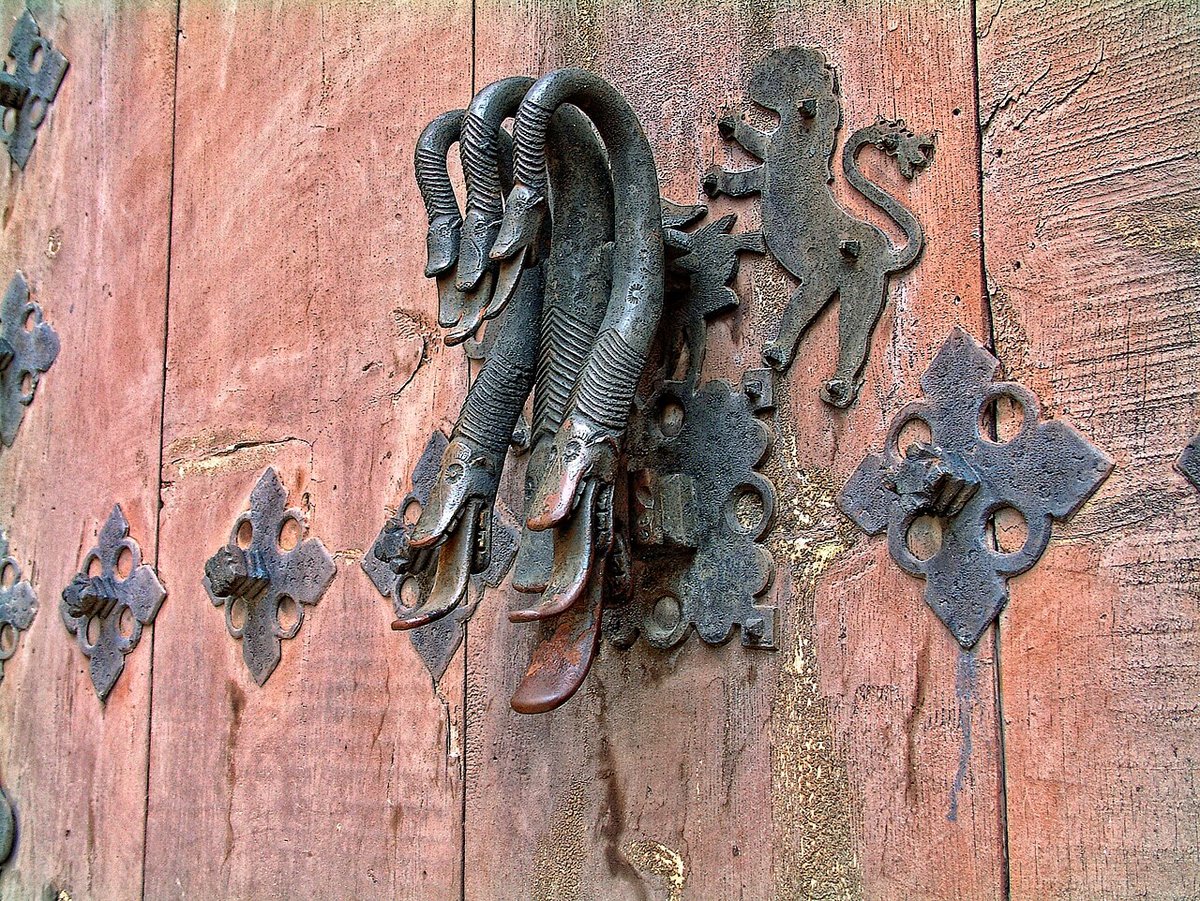
Houses are built from the same rodeno sandstone that climbers claw their way up elsewhere. Walls two feet thick keep interiors cool in July and bear the scars of centuries: iron rings for tethering mules, slots where beams once jutted to support drying hay. One cottage halfway down the slope has a datestone reading 1694; the roofline sags like an old saddle, yet satellite TV sprouts from the chimney. Restoration grants arrive slowly this high up, so each owner becomes their own architect, improvising with breeze blocks and second-hand slate.
Walking without Way-markers
Footpaths start where the concrete ends. A five-minute stroll north drops you into the Pinares de Rodeno, a protected swathe of Scots pine and sabina that smells of lemon peel after rain. Roe deer watch from between the trunks, ears swivelling like radar dishes; wild boar leave hoof-prints the size of two-pound coins in the mud. There are no ticket booths, no interpreted loops, just a spider’s web of cattle tracks. Download an offline map—coverage vanishes within 200 metres of the last house—and carry water; streams dry to trickles by July.
For a half-day circuit, follow the forest road signed “Pinar de Celadilla” until a cairn marks a narrow path breaking left. This climbs gently through fire-breaks to a high pasture at 1,500 metres where the view opens south across the canyon of the Guadalaviar to Albarracín’s citadel, terracotta walls glowing against grey limestone. The descent re-enters pine shade and deposits you back on the road twenty minutes above the village. Total distance: seven kilometres; total elevation gain: 220 metres; probability of meeting another walker outside Easter: close to zero.
Climbers’ Crucible
From October to April Spanish number plates outnumber local ones by ten to one. Monterde sits on the edge of the “Albarracín boulder field”, more than 3,000 sandstone blocks graded from child-friendly slabs to overhanging nightmares requiring circus-level contortions. Classic problems carry British names—The Biceps Traverse, Ben’s Roof—christened by Leeds University expeditions in the early nineties. Landings are friendly: pine needles carpet most bases, so a bouldering mat and spotter suffice.
Ethics are old-school: no chalk, no resin, brush holds after use. The regional park warden issues on-the-spot fines for chipping or gardening, so respect counts for more than bravado. Even if you climb no harder than a staircase, it’s worth wandering the first 100 metres of any path just to watch: locals move like spiders across rock that would shred skin if it weren’t so friction-friendly.
What Passes for Gastronomy
Expect neither tasting menus nor vegan options. The only public food outlet is Bar-Restaurante Monterde, open Friday evening through Sunday lunch outside August, daily during climbing season. Inside, Formica tables, a wood-burning stove and a television permanently tuned to Gran Hermano create a living-room atmosphere. Order the trucha a la navarra—local river trout butterflied, stuffed with serrano ham, grilled until the skin blisters. Chips arrive in a tin pail; salad is iceberg, onion and tomato dressed with olive oil sharp enough to make your tongue curl.
Vegetarians get migas—fried breadcrumbs with garlic, grapes and a poached egg. It sounds eccentric, tastes like savoury bread-and-butter pudding, and costs under eight euros. House wine from the Cebollera foothills is light enough for lunch yet punches above its two-euro-a-glass price. Pudding is whatever María, the owner, baked that morning; if the almond cake is on, surrender. Cash only—no card machine, no mobile signal for Revolut.
Beds for the Brave
There are six rooms above the bar: pine floors, wool blankets, shared bathroom at the corridor end. Hot water is reliable but Wi-Fi is theoretical; climbers regard the spot as five-star because drying radiators for boots actually work. If en-suite matters, drive twelve kilometres to Albarracín where the cluster inside the walls offers boutique doubles at triple the price. Book ahead for Easter weekend and the October mushroom harvest; outside those windows you can usually secure a room by turning up before dusk.
Camping is tolerated beside the forest track provided you arrive after dusk, leave at dawn and carry everything out. Fires are banned year-round; the pine duff ignites faster than newsprint. Wild campers have been fined for using disposable barbecues, so pack a stove and sleep discreetly.
The Quiet Calendar
Festivity here is measured in decibels lower than anywhere else in Spain. The fiesta de San Miguel, 29 September, doubles the population for forty-eight hours. A brass trio squeezes into the church balcony, the priest blesses a loaf the size of a tractor tyre, and everyone relocates to the bar for caldo—mutton broth fortified with chickpeas—served from a cauldron. Fireworks consist of three rockets fired from a beer bottle; the echo rolls around the valley like distant thunder.
August brings returning emigrants: cars with Barcelona plates nose into garages that held only tools since Christmas. Even then the village is quiet by British standards—no all-night disco, no foam party, just conversations that stretch past midnight under a sky bright with Perseids. If you crave dancing, Albarracín’s bars shut at 03:00; the mountain road back is unlit, so designate a driver or sleep in the car.
When to Go, When to Stay Away
May and late September offer the best compromise: daylight until 20:30, temperatures in the low twenties, and roads clear of ice. April can still deliver a surprise blizzard; October is mushroom season, so every hollow hosts a silent hunter with a wicker basket. Easter weekend turns the forest into a bouldering convention—fun if you want company, hopeless if you came for solitude.
Avoid August if you dislike heat. The thermometer may read thirty in Teruel, but up here it sits at twenty-six; nevertheless shade is scarce on the rocks and pine needles radiate heat like barbeque coals. Mid-winter is magnificent but serious: days are six hours long, the bar may open only on demand, and stepping outside requires down jacket, hat, gloves and the certainty that your car will start at –8 °C.
Parting Shots
Monterde de Albarracín will not change your life. It offers no epiphany, no Instagram jackpot, no tale to trump colleagues at the pub. What it does provide is a yardstick for how quiet a place can be once human noise is stripped away. Stand on any boulder at dusk, look west as the rock turns from ochre to rust to plum, and the only sound is your own pulse. That, for some, is worth the drive, the altitude, the patchy phone signal and the lukewarm shower. Bring cash, bring a map, bring a tolerance for silence. The village will handle the rest.