Full Article
about Mora de Rubielos
Ocultar artículo Leer artículo completo
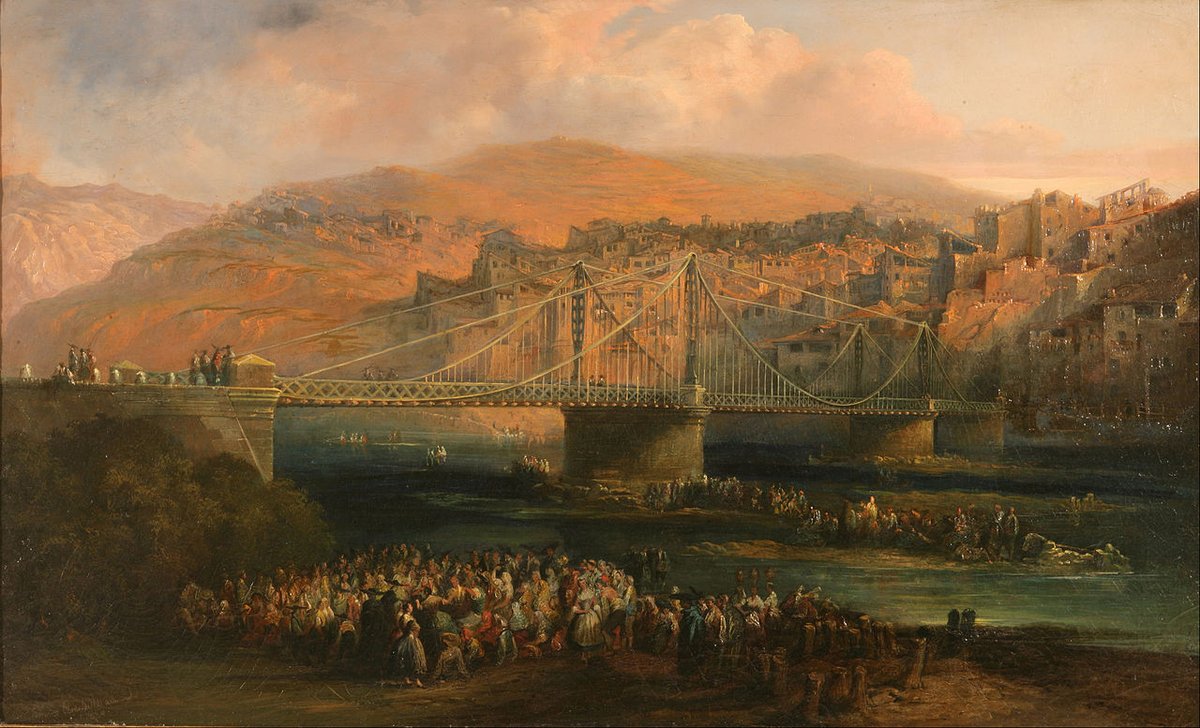
The thermometer drops six degrees between the almond groves of the lowlands and the market square of Mora de Rubielos. One moment you’re driving through dusty rosemary scrub, the next you’re winding into air that smells of pine and cold iron. At 1,045 m the village sits level with Britain’s loftiest passes, yet here the houses still wear fourteenth-century battlements and the butcher’s shop has a portcullis for a front door.
A castle you can actually climb
Most Spanish castles charge eight euros, herd you through a gift shop and roar at you for touching the walls. The Castillo de Mora de Rubielos simply asks for a fiver, hands over a key-ring ticket and lets you wander. Inside, the staircases are uneven, the battlements lack safety rails and the only soundtrack is your own footsteps ricocheting off the sandstone. Climb the keep and the whole of Gúdar-Javalambre spreads out: a rippling carpet of black-pine ridges that fades, ridge after ridge, until the colour drains into the horizon. Pick the right afternoon – outside school holidays – and you’ll share the ramparts with two caretakers and a resident kestrel.
The castle doubles as the village’s heritage centre, though “centre” is a generous term for two whitewashed rooms and a laminated panel in rapid-fire Spanish. Download a translation app before you arrive; the staff will happily explain where the murder holes are once they realise you’re interested rather than merely lost.
Two villages, one afternoon
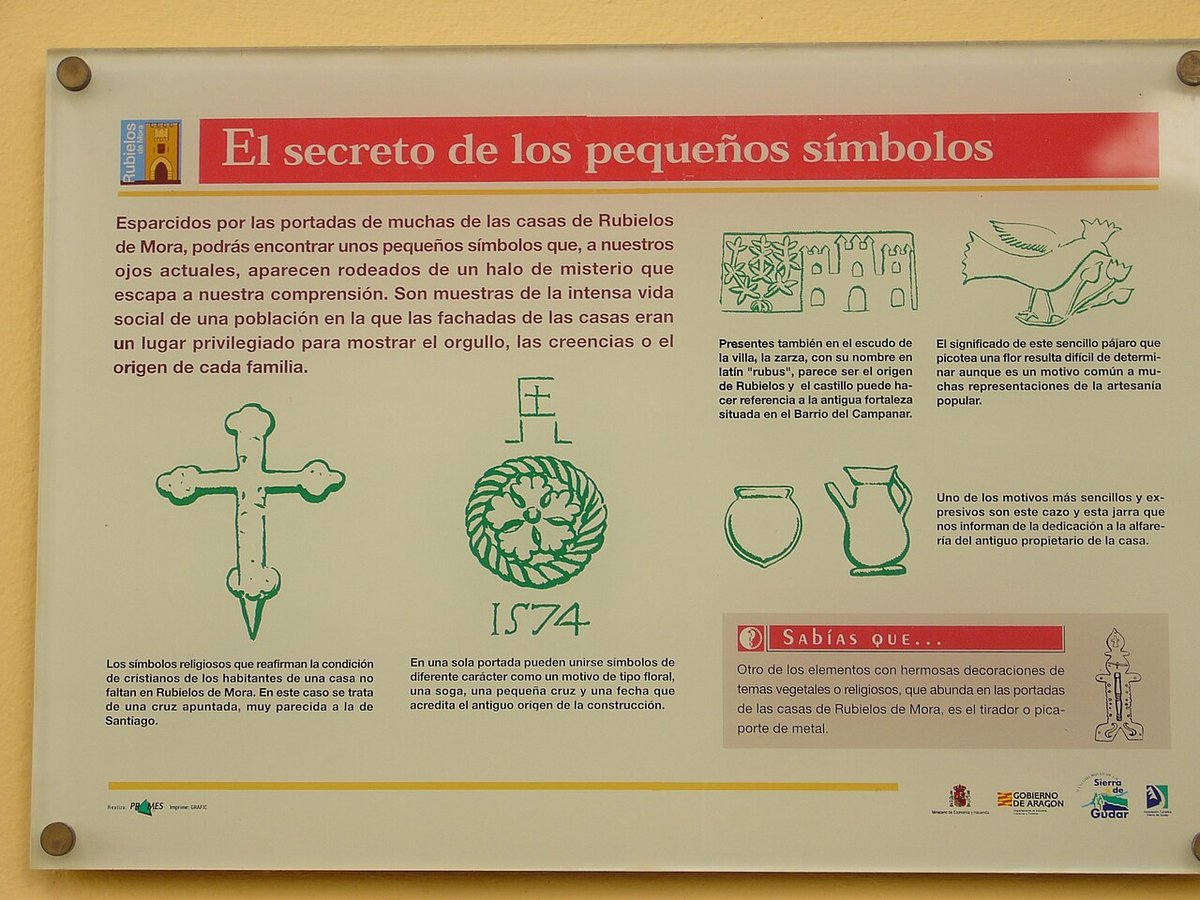
Seven kilometres down the A-232 lies Rubielos de Mora, a place so similar in name that coach parties give up and stay on the bus. That is their loss. Rubielos has the prettier arcades and a Modernist pharmacy worth a detour, but Mora keeps the fortress and the food. Park once, walk both: a way-marked footpath links the two in just under two hours, dipping through holm-oak woods and crossing the frozen-in-time railway that once carried Aragonese coal to Valencia. In spring the verges are studded with wild peonies; after October you’re more likely to see truffling dogs zig-zagging the understory.
Back in Mora, the collegiate church of Santa María makes a quieter counterpoint to the castle. Its west door is a textbook piece of late-Gothic flamboyance, all cabbage-leaf finials and bristling pinnacles, yet step inside and the atmosphere is oddly domestic. Elderly women polish the pews with vinegar water; someone has left a half-finished bottle of “Agua de Valencia” beside the alabaster font. The Baroque high altar, gold on blood-red, looks almost apologetic under the dim northern light that filters through alabaster panes.
Calories for altitude
Height sharpens appetite, and local cooks pile it on. Breakfast might be a slab of sponge-like “hogaza” bread, toasted and rubbed with tomato, then anointed with olive oil pressed 30 km down the road. By lunchtime the square fills with the smell of roast lamb – “ternasco” – seasoned only with salt, water and the dry mountain air that crisps the skin into parchment. Vegetarians face tougher going: even the vegetable stew arrives topped with strips of jamón. Your safest bet is the “migas pastoriles”, fried breadcrumbs laced with garlic and grapes; order it “sin panceta” and the kitchen will shrug, then oblige.
Sunday midday is the tricky slot. Half the restaurants close, the rest switch to a €25 menú del día that starts with a plate of Teruel ham and doesn’t get lighter. Book by Friday or you’ll be foraging for crisps in the one bar that stays open. Black-truffle season (December to February) doubles prices but also produces the simplest introduction: a single beaten egg scrambled over a whisper of truffle shavings that cost more per gram than silver.
High-summer siestas, winter white-outs
Come July, day-trippers from coastal Valencia ride the 90-minute coach ride uphill to escape 38 °C heat. Mora’s stone houses stay cool until late afternoon, when the sun bounces off the rock and the narrow lanes turn to pizza ovens. Cafés wheel speakers into the square for open-air cinema, children chase footballs until midnight, and the air smells of pine resin and grilled sausages. August fiestas bring brass bands and a foam-party truck; if you crave silence, arrive the week after, when the village exhales and hotel prices tumble.
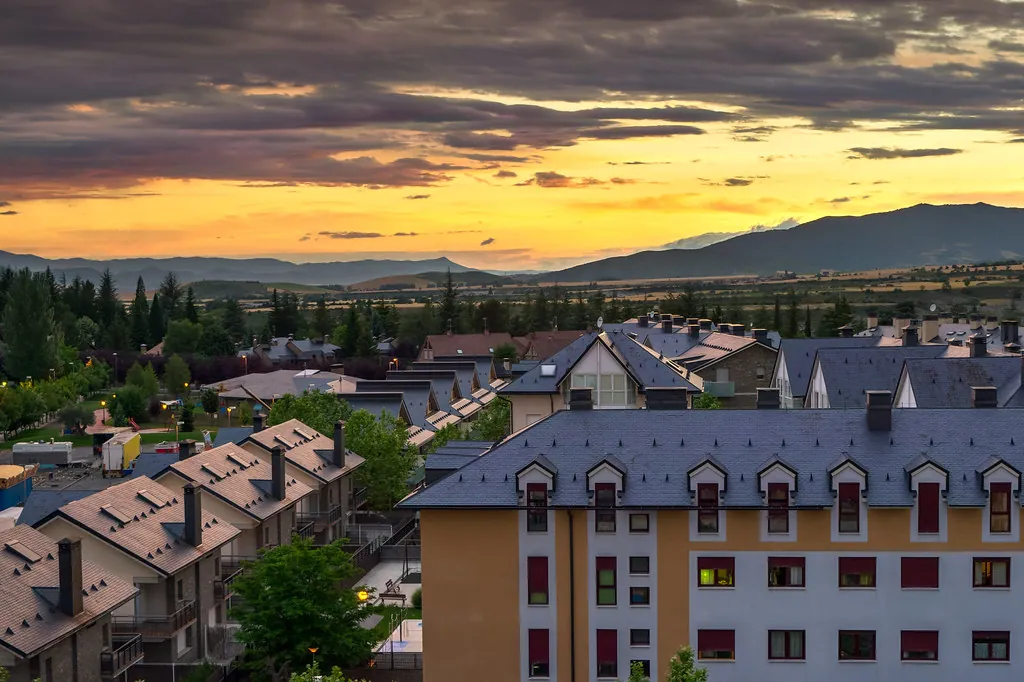
Winter is a different contract. Night thermometers sink to –8 °C, pipes freeze, and the castle’s stone staircases glaze with invisible ice. But the reward is snow-dusted quiet: you can stand in the main street at 09:00 and hear nothing but the church bell and your own heartbeat. The ski resort of Valdelinares is 35 minutes away by car – small, family-friendly, usually half-empty – making Mora a cheaper base than the purpose-built apartments on the slope. Pack snow chains; the final 400 m climb into the village catches out the over-confident hatchback every year.
How to do it without the drama
Teruel’s tiny airport offers summer flights from London on Thursdays; outside July and August you’ll land in Valencia or Zaragoza and drive. From Valencia Manises airport it’s 140 km, mostly motorway until the last dramatic 30 km when the road corkscrews up through limestone gorges. Petrol stations are scarce after Teruel – fill the tank and the Thermos.
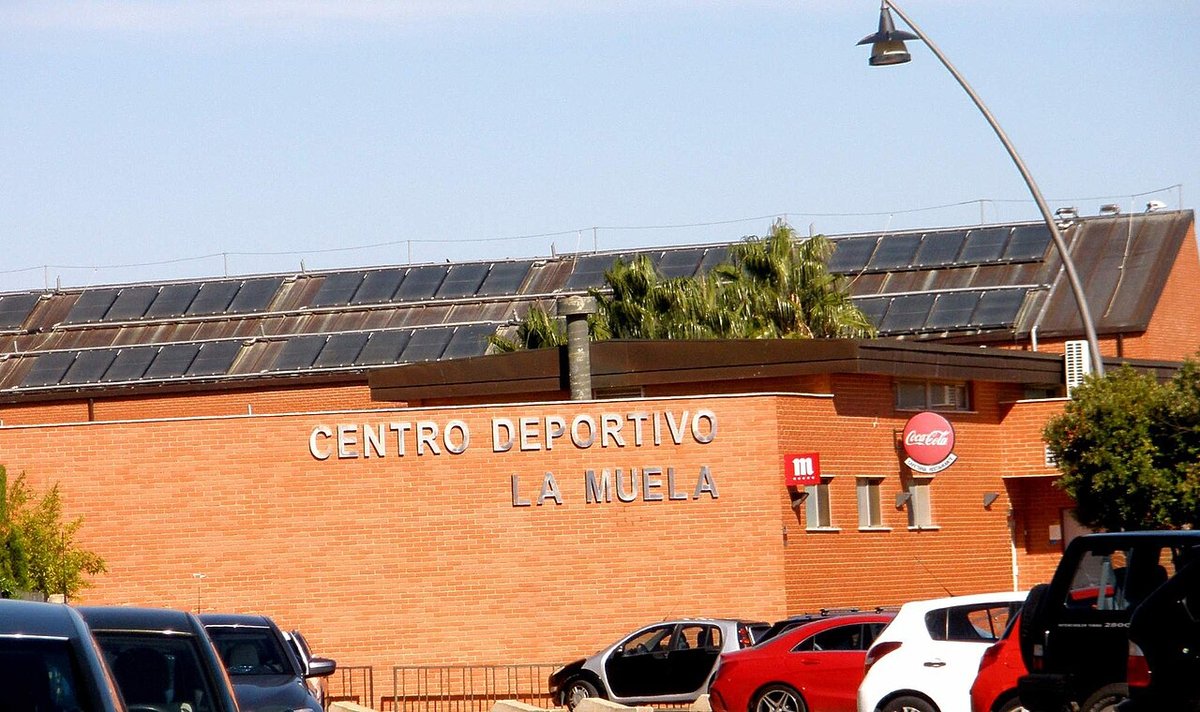
Parking inside the walls is free if you arrive before 11:00 or after 15:30; miss that slot and you’ll queue on a single-lane ramp that wasn’t designed for SUVs. Coaches are banned, so the village never feels crushed, but the castle car park still fills by noon. Leave the car at the lower sports ground and accept the ten-minute uphill walk – your calves will remind you you’re at altitude.
No one speaks much English; even the younger barmen learned French at school. A few phrases of Spanish oil the wheels, though menus are visual enough – point at the ham, nod at the wine, you’ll survive. Cards are accepted in hotels but many bars enforce a €20 minimum; cash is still king for coffee and cake.
Rooms are inexpensive once you surrender the idea of a lift. Most hotels occupy converted manor houses where the bedrooms start on the first floor and spiral staircases are part of the charm. Expect stone walls, beams low enough to bang your head and Wi-Fi that works in the corridor if you stand still. Night-life ends around 22:00; bring a book, or better, walk uphill beyond the streetlights and watch the Milky Way scrape across the sky with a clarity you last saw on a school geography trip.
Leave the drone at home – the castle is classified military airspace – and resist the urge to pocket a chunk of rosy stone from the quarry gate. The guard will chase you, the village will talk, and you’ll discover that 1,569 people can gossip faster than fibre-optic cable.