Full Article
about Moscardon
Ocultar artículo Leer artículo completo
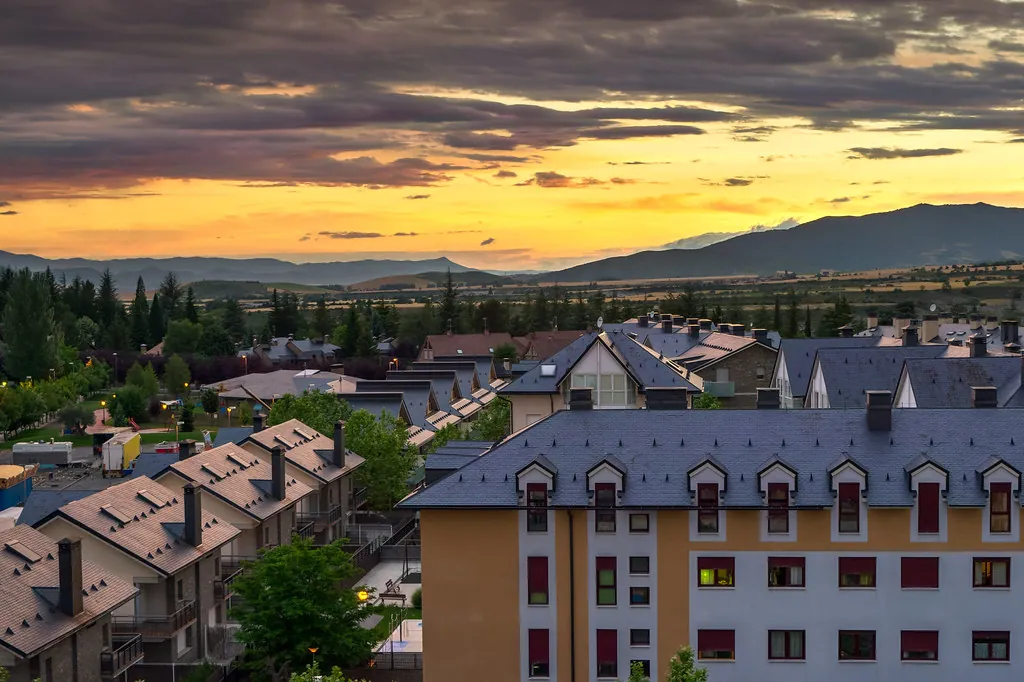
At 1,400 metres, Moscardón sits high enough to make your ears pop on arrival. The village's sandstone houses seem to grow from the mountain itself, their terracotta roofs a rusty interruption in a landscape of pine and pasture. Fifty-odd residents remain, enough to keep the bar open most days but not enough to disturb the profound quiet that defines this corner of the Sierra de Albarracín.
The Village That Time Misplaced
There are no traffic lights, no boutique hotels, no artisan cheese shops. What exists is stone underfoot and sky overhead, with the parish church tower serving as the only real landmark. Built from the same reddish sandstone as every other structure, the church lacks the baroque flourishes found in grander Aragonese towns. Its bell marks the hours for farmers working distant fields, echoing across slopes where wild boar root for acorns and red kites ride thermals above the ridge.
The streets slope gently, following natural contours rather than any planned grid. Houses shoulder together for warmth, their walls thick enough to keep out January's knife-edge winds. Doorways sit low, built for people who averaged rather less than today's five-foot-eight. Windows are small and practical, designed to conserve heat rather than frame views. Yet the views come anyway—walk twenty paces beyond the last house and the land falls away toward the Montes Universales, revealing folds of forest that shift from deep green to blue-grey as distance works its magic.
Mountain Time and Winter Rules
The altitude changes everything. Summer evenings demand jumpers when shadows lengthen. Winter brings proper snow, not the dusting that excites British forecasters but the sort that blocks roads and strands vehicles. The N-234 from Teruel remains passable most days, but the final climb involves hairpins where ice forms early and lingers late. Chains become essential equipment from December through March, not accessories for the over-cautious.
Spring arrives late and autumn early. May finds fields suddenly emerald with new grass, wildflowers splashing yellow and purple across meadows that were brown mere weeks earlier. October brings mushroom hunters in droves, their baskets filled with níscalos when rainfall cooperates. The season's bounty appears on local tables within hours—simple preparations that let the fungi's earthy character dominate. Restaurant offerings lean heavily on what the land provides: lamb raised on mountain herbs, game during season, preserved meats that sustained shepherds through centuries of harsh winters.
Walking the Old Ways
Footpaths radiate from Moscardón like spokes from a wheel, following routes established long before mapping became precise. These tracks connect to neighbouring villages—Tramacastilla lies ninety minutes east, Gea de Albarracín slightly further west. None require technical climbing skills, though the altitude makes breathing harder for sea-level dwellers. The reward comes in solitude: walk for hours meeting only the occasional shepherd or fellow hiker navigating by GPS rather than instinct.
Ornithologists find rich pickings here. Golden eagles patrol territories that extend for miles, their six-foot wingspans casting shadows across entire valleys. Peregrine falcons nest in cliff faces impossible to access without ropes and serious intent. Binoculars reveal griffon vultures riding thermals, their bald heads distinguishing them from the monk vultures that share these skies. Dawn offers the best sightings, when thermals remain weak and birds fly lower, hunting rather than simply travelling.
Practicalities for the Unprepared
Accommodation options number exactly two. Hotel El Castellar provides twelve rooms in a converted stone building, its restaurant serving mountain cuisine that hasn't changed much since the owner's grandmother ran the kitchen. Expect hearty stews, locally-cured meats, and vegetables that taste of soil rather than supermarkets. Casa de los Maestros offers self-catering for those preferring independence, though shopping requires forward planning—the nearest supermarket sits twenty-five kilometres away in Albarracín.
Mobile signal proves erratic. Vodafone works on the village's eastern edge, Orange requires walking to the cemetery hill, EE might as well not exist. This isn't connectivity-blackspot Britain with 4G just around the corner; this is genuine remoteness where digital detox happens by default rather than design. The village bar provides WiFi of sorts, though the connection rivals dial-up for speed and reliability.
Fuel becomes precious. The single pump in Moscardón operates sporadically, its owner maintaining hours that suit farming schedules rather than tourist convenience. Better to fill up in Teruel before beginning the climb, especially since the return journey involves steep descents that favour engine braking over brake pads that might overheat. Carry water too—mountain streams look inviting but harbour bacteria that upset delicate British constitutions.
When Silence Becomes the Main Attraction
August brings fiestas that double the population temporarily. Emigrants return from Barcelona and Valencia, their cars lining streets too narrow for proper parking. The church procession winds through lanes decorated with paper flowers, brass bands play familiar tunes slightly off-key, and the plaza fills with tables for communal meals that stretch long past midnight. For three days, Moscardón remembers what bustle felt like.
Winter delivers the opposite experience. Snow muffles every sound except the crunch beneath boots. Chimneys smoke continuously, filling air with the scent of pine logs. Days shorten dramatically—by four-thirty in December, twilight begins its advance. Yet there's beauty in this severity. The village becomes a Christmas card scene, though one where residents must dig themselves out each morning and where pipes freezing represents genuine crisis rather than minor inconvenience.
Most visitors stay briefly, using Moscardón as base for exploring the wider Sierra de Albarracín. They drive up for two nights, walk the surrounding tracks, photograph the church against sunset skies, then descend toward coasts or cities. This approach misses something essential. The village rewards those who sit still, who let the mountain silence work its way into consciousness, who understand that fifty residents maintain traditions spanning centuries not for entertainment but because this life, harsh and beautiful in equal measure, represents continuity in an accelerating world.
Come prepared for simplicity. Bring good boots, warm layers, and expectations calibrated for authenticity rather than comfort. Moscardón offers no curated experiences, no Instagram moments staged for social media. What it provides instead is harder to package: the realisation that places still exist where human presence remains marginal, where nature sets terms, where the modern world's noise fades to insignificance against wind through pine needles and the occasional church bell marking another hour in Spain's quietest corner.