Full Article
about Mosqueruela
Ocultar artículo Leer artículo completo
The fountain in Mosqueruela's main square runs so cold that your fingers numb in thirty seconds. Locals insist it's the finest water in Spain, and they should know – at 1,471 metres, their village sits higher than Ben Nevis's summit. This is Aragón's roof, where stone houses huddle against a wind that carries pine scent from forests stretching clear to Valencia.
Stone, Wind and Winter Fuel
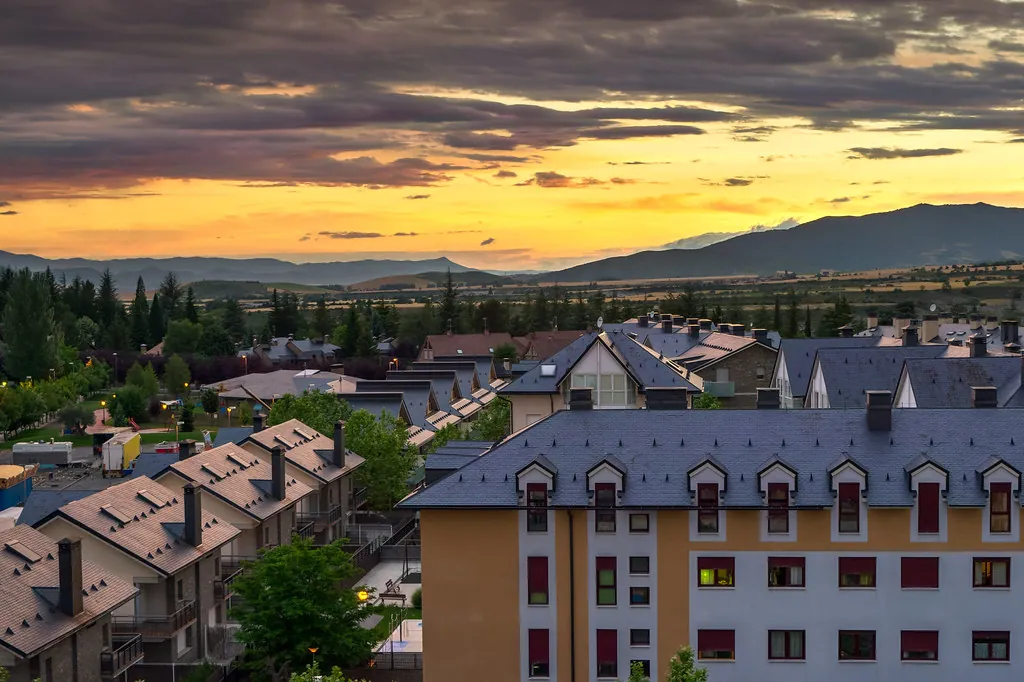
Every doorway tells the season. Summer brings geraniums in olive-oil tins; winter stacks logs chest-high against 400-year-old walls. The stone itself changes colour – warm honey at dawn, grey steel by dusk – depending on how the Gúdar range catches the light. Dry-stone walls ribbon across hillsides like a Highland landscape dropped into Iberia, hundreds of kilometres of them, built to keep goats from wheat rather than tourists happy.
Medieval gates still control traffic. The Portillo de San Roque narrows to single-track width; drivers fold mirrors to squeeze through. Above, Vistorre gate's arch frames a view of pine-clad slopes that drop away towards the Mediterranean, fifty kilometres distant yet invisible from these heights. The Islamic castle of Mallo stands twenty minutes' walk above town – more foundation than fortress now, but worth every step for the 270-degree sweep across ridgelines that ripple like frozen waves.
What Passes for Daily Life
Morning starts late. The bakery opens at eight, but bread won't be ready until nine – the baker waits for the wood oven to reach proper temperature. Coffee comes thick and bitter, served in glasses that burn your fingertips. By ten, older men occupy the square's benches, caps pulled low against sun that already carries real bite despite the altitude. They discuss rainfall with the intensity Londoners reserve for house prices.
Shuttered windows aren't tourist theatre; they're practical. When the sun hits the western slopes, temperatures swing fifteen degrees in an hour. Inside thick stone walls, rooms stay at twelve degrees year-round – perfect for curing hams, less so for drying laundry. Mobile phones lose signal crossing doorways; 4G works reliably only in the square's centre, beside the fountain where teenagers cluster like urban pigeons.
Saturday matters. The village's permanent population – 551 souls, up from 35 a decade ago when this was written off as dying Spain – swells with returnees from Zaragoza and Valencia. They come for family lunch, filling Bar Nuevo's dining room by three. Order the cordero lechal: milk-fed lamb roasted with nothing but garlic and mountain rosemary, flesh so tender it parts from the bone at a harsh word. The portion feeds two hungry walkers for €18; asking for a doggy bag marks you instantly as foreign.
Walking Weather and When Not To
Spring arrives late and leaves early. May brings wildflowers to the paramera – high meadows where stone cottages stand roofless against the sky – but night frost can strike until June. Autumn delivers the year's finest walking: October's mushrooms draw foragers from Teruel province, while November paints beech woods copper and gold along the GR-10 long-distance path that skirts the village.
Winter means business. The A-1702 access road climbs through hairpins to 1,500 metres; snow chains become compulsory from December through March. When blizzards hit, Mosqueruela becomes an island. Supplies arrive by 4×4, electricity fails regularly, and the village generator kicks in with a thrum that vibrates through bed legs. Cross-country skiers love it – they can track fresh powder along forest roads for miles without seeing another soul. Everyone else stocks up on wine and waits.
Summer offers the cruellest surprise. Days reach thirty degrees, but UV this high burns faster than on most Greek islands. The sun drops suddenly behind Pico de Peñarroya, and temperatures plummet to twelve by ten o'clock. That lightweight fleece you packed for "Spain" becomes essential kit.
Eating What the Land Gives
Menu del día runs €12-14, served 14:00-15:30 sharp. Expect migas – fried breadcrumbs with garlic and bacon – that taste like Christmas stuffing given Spanish attitude. Wild mushrooms appear from late September; sautéed in local olive oil, they convert even fungi-sceptics. The trout comes stuffed with serrano ham, a combination that sounds excessive until you taste how the salt balances the river's sweetness.
Vegetarians struggle. This is land that regards pulses as animal feed, not human food. Even tortilla arrives speckled with chorizo. Best bet: order queso de oveja curado with honey. The cheese ages six months in caves beneath the village, emerging creamier than Manchego with a finish that tastes of thyme and mountain herbs.
Bring cash. No ATM exists; the nearest sits 25 kilometres away in Puertomingalvo, down that precipitous road you'll hate driving twice. Cards work in the hotel and one restaurant, but the bakery, grocer and bar operate cash-only with the confidence of businesses that know you'll return eventually – or walk hungry.
The Quiet Rewards
Evening in Mosqueruela smells of woodsmoke and pine resin. Stars appear with shocking clarity; light pollution registers zero on astronomical charts. The village generator hums off at midnight, plunging streets into darkness that reveals the Milky Way in embarrassing detail. Somewhere a dog barks, then thinks better of it. Silence settles absolute.
This isn't a place for ticking sights. The church closes at dusk; the ruined convent offers no interpretation panels. What you get instead is altitude – literal and metaphorical – a chance to experience Spain stripped of flamenco clichés and beach-bar bravado. Come prepared for weather that ignores latitude, roads that demand respect, and a pace that makes Cotswold villages feel frantic. Pack cash, warm layers, and time. The fountain water's free, but everything else requires patience this high above the Mediterranean.