Full Article
about Nogueras
Ocultar artículo Leer artículo completo
The church bell tolls midday, but only three people hear it. One tends vegetables behind a stone wall. Another sweeps dust from a doorway that's stood since the 1400s. The third is probably you, standing in Nogueras' single street, realising you've found something increasingly rare in Europe: a place that doesn't need visitors to justify its existence.
At 861 metres above sea level, this medieval hamlet in Teruel province clings to a ridge above the Jiloca valley with the tenacity of its remaining 32 residents. The Sistema Ibérico stretches around it like a crumpled blanket—soft hills clothed in pine and holm oak, their colours shifting from spring's bright green through summer's baked ochre to autumn's copper tones. It's neither dramatic nor spectacular, which is precisely the point.
The Architecture of Survival
Nogueras won't win beauty contests, and that's its saving grace. The village centre remains what it always was: a working ensemble of masonry houses, their stone lintels worn smooth by centuries, timber eaves sagging with the weight of winters. Adobe walls bulge where they've absorbed decades of rain. Some properties stand restored, their terracotta roofs fresh and straight. Others slump abandoned, their empty windows staring across narrow lanes like missing teeth. This isn't heritage preservation as performance—it's simply what happens when people leave and buildings stay.
The parish church commands the highest point, its squat tower visible for miles across the rolling terrain. Inside, layers of religious art tell the story of rural Aragon: Romanesque foundations supporting Gothic additions, Baroque altarpieces squeezed into modest dimensions. The building served as refuge during the Carlist Wars, its thick walls scarred by musket balls from 1838. Local stone, local craftsmen, local needs—architecture as practicality rather than statement.
Walk the lanes at dusk and the village reveals its construction methods in cross-section. Where houses have lost their outer skins, you can read the building techniques: rough stone bases supporting adobe upper storeys, timber beams carrying slate from nearby quarries. Every material travelled less than twenty kilometres. Carbon footprint wasn't a concept—just common sense.
Walking Into the Past
The surrounding landscape offers what marketing departments call 'gentle walking' but what locals simply term 'going somewhere'. Ancient paths connect Nogueras to neighbouring settlements—Calamocha lies 12 kilometres east, Monreal del Campo slightly further west. These routes predate Roman occupation, following ridge lines that stay dry year-round. The going underfoot varies from packed earth to loose shale; decent boots prove essential after rain turns sections to slick mud.
Spring brings the best conditions: temperatures hovering around 18°C, wild asparagus pushing through terrace walls, the scent of thyme and rosemary rising from disturbed earth. Summer hikes demand early starts—by 11am the mercury pushes past 30°C and shade becomes precious. Autumn offers mushroom foraging in the pine stands, though you'll need permits from the regional government and proper identification skills—mistaking a níspero for a death cap ruins more than dinner.
Winter transforms the area completely. At this altitude snow arrives reliably from December through March, occasionally cutting road access for days. The village becomes a study in monochrome: white fields, black tree skeletons, grey stone walls disappearing under drifts. It's beautiful in the way that makes poets reach for clichés—best avoided by those requiring constant connectivity or central heating.
What Passes for Entertainment
Food here follows the agricultural calendar, not restaurant trends. Local kitchens turn to lamb and goat as autumn progresses—animals grazed on the surrounding hills develop meat with the slight herb tang that chefs pay fortunes to replicate. Migas, the humble dish of fried breadcrumbs, appears regularly because it uses stale bread rather than wasting it. Every family maintains their own recipe: some add grapes, others liver, all insist theirs is authentic.
The village's single bar opens sporadically, depending on whether Antonio feels like it. When the shutters are up, order what he's cooking—usually a stew that started the previous day, thick with chickpeas and whatever meat needed using. Prices hover around €8 including wine that arrives in a chipped glass tumbler. It's not destination dining; it's Tuesday lunch in a place where Tuesday looks much like any other day.
August changes everything. The fiesta patronale brings emigrants back from Zaragoza, Barcelona, even London. Suddenly 32 becomes 300, streets fill with children who've never lived here, and the church bell rings for reasons beyond marking time. Temporary bars appear in garages, grandparents dance until dawn, the village remembers what it sounded like when full. By September 1st it's over—cars loaded, houses locked, silence returns like tide washing away footprints.
Getting There, Staying Put
Reaching Nogueras requires commitment rather than expertise. From Teruel, take the A23 towards Zaragoza, exit at Calamocha, then follow the TE-V-9031 for 18 kilometres of increasingly narrow tarmac. The final approach involves several tight bends where meeting a tractor means reversing 200 metres—patience matters more than horsepower. Public transport doesn't venture this far; hire cars from Teruel start at €35 daily, though book ahead—availability proves sporadic.
Accommodation options remain limited. One casa rural occupies a restored merchant's house, offering three doubles at €60 nightly including breakfast featuring local honey and eggs from chickens you can hear from your window. Booking essential—proprietor María only opens when reservations exist. Alternative options lie in Calamocha, 25 minutes drive, though that rather misses the point of coming here.
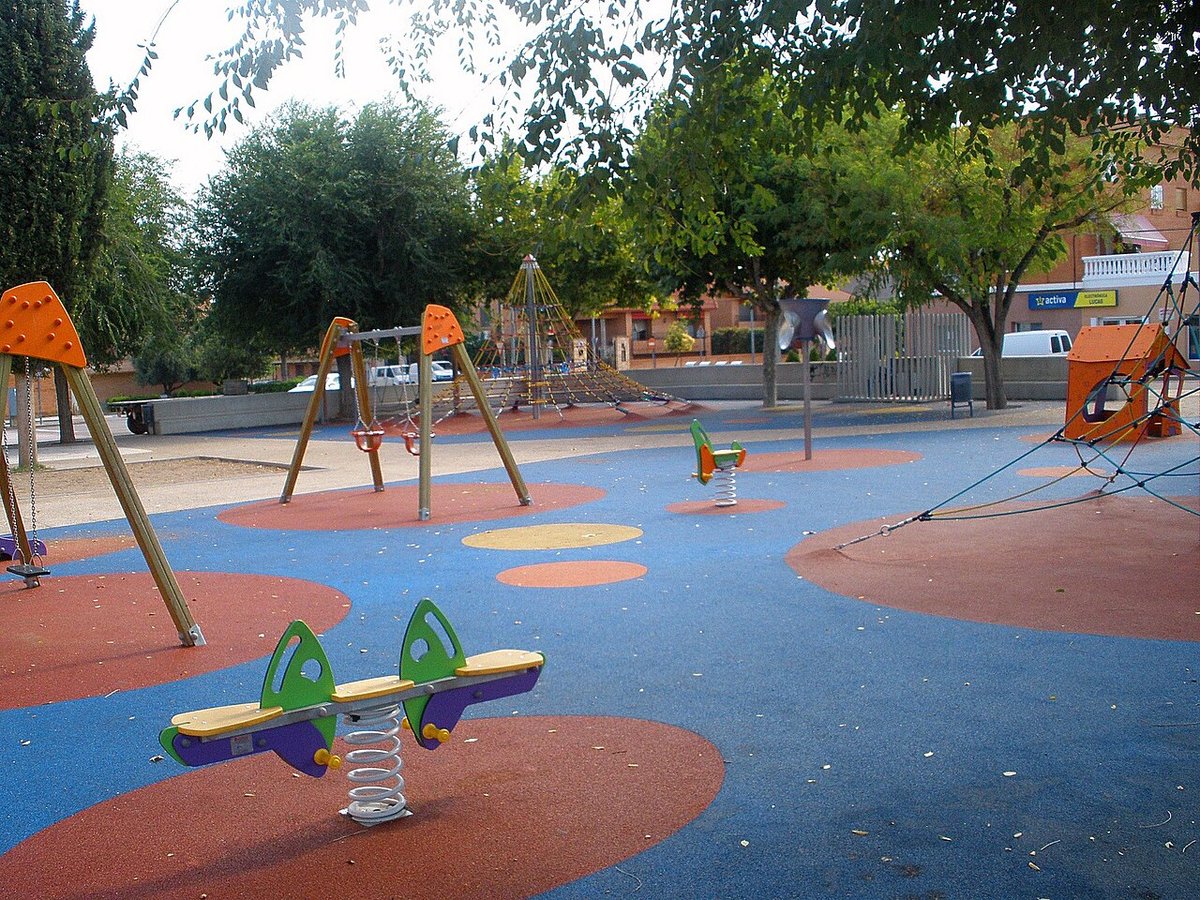
Mobile reception comes and goes depending on weather and which network you use. Vodafone generally works near the church, Orange requires standing in the playground, Three might as well not exist. This isn't advertised as a feature, but it functions as one—digital detox imposed by geography rather than intention.
The Honest Verdict
Nogueras offers no Instagram moments, no bucket-list ticks, no stories to trump fellow travellers. What it provides instead proves increasingly precious: permission to slow down without feeling guilty about it. The village will still exist whether you visit or not, which paradoxically makes visiting worthwhile. Come for the walking, stay for the silence, leave before you start thinking 32 residents sounds like plenty.
Just don't expect to be transformed. You'll leave with the same life, same problems, same you—just slightly better rested and vaguely aware that somewhere exists where church bells mark time for three people and countless stone walls. That's enough.