Full Article
about Novallas
Ocultar artículo Leer artículo completo
The morning mist lifts off the cereal fields to reveal a tractor rolling down Calle Mayor at precisely the same moment the church bell strikes seven. This isn't choreographed for visitors—it's simply how Novallas starts each day, 425 metres above sea level in the shadow of the Moncayo massif. The village's 845 residents have their timing down to an art born from agricultural necessity rather than tourist convenience.
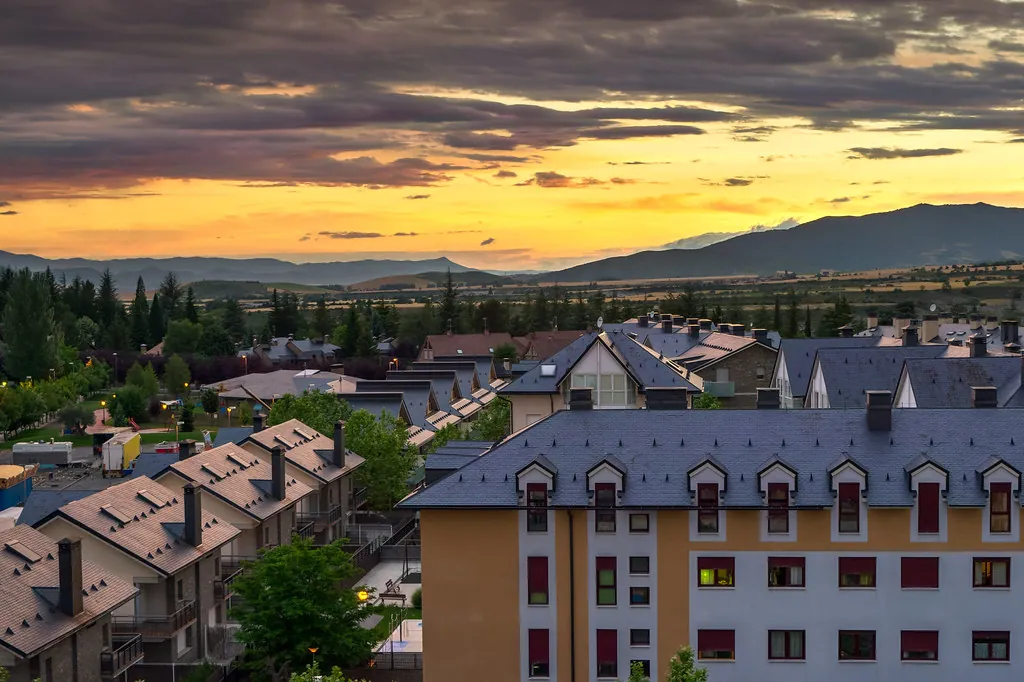
At first glance, Novallas appears unremarkable against Aragon's theatrical backdrop of mountain and river. The Queiles murmurs past the southern edge, creating a narrow ribbon of green that contrasts sharply with the straw-coloured plains stretching northward. This geographical split defines the village's character: half vegetable plots and poplar groves, half sun-baked masonry that turns golden during the long summer evenings.
The Architecture of Everyday Life
The parish church anchors the compact centre, its walls revealing centuries of architectural pragmatism rather than grandeur. Romanesque foundations support Gothic additions, while Baroque touches arrived during periods of relative prosperity. The building serves as village timekeeper—mass times structure the day more reliably than any smartphone, and the bell tower's silhouette dominates every photograph whether intentional or not.
Surrounding streets contain perhaps two dozen notable houses, their stone facades bearing heraldic shields that hint at former wealth. These aren't museum pieces but family homes, often with washing lines strung between wrought-iron balconies and elderly residents who've witnessed the gradual transition from mule to tractor. The architectural timeline runs from medieval masonry through 19th-century brickwork to contemporary render, creating an organic patchwork that urban planners would struggle to replicate.
Walking the entire historic quarter takes forty minutes if you're observant, twenty if you're not. There's no prescribed route—simply wander until the streets narrow into agricultural tracks or widen into Plaza de España, where the bar opens at 7am for coffee and closes at 11pm after the final domino game. The plaza's café charges €1.20 for a café con leche, served with a glass of tap water unless you specifically request otherwise.
River Logic and Mountain Weather
The Queiles dictates more than Novallas's geography. Its waters feed irrigation channels that transform the floodplain into intensive vegetable plots, creating a microclimate noticeably cooler than the surrounding plateau. Morning temperatures can be five degrees lower along the riverbank—a blessing during July and August when the interior plateau regularly exceeds 35°C.
Winter brings the opposite challenge. At 425 metres, Novallas sits below the snow line but not immune to mountain weather systems. When the Moncayo captures Atlantic storms, the village experiences temperatures that belie its relatively modest altitude. January frosts can be severe enough to freeze the irrigation channels, temporarily halting the agricultural rhythm that defines daily life. Access remains possible year-round—the A2 motorway lies 15 kilometres south—but January visits require proper winter clothing rather than Mediterranean assumptions.
Spring and autumn provide the sweet spot, when daytime temperatures hover around 20°C and the surrounding landscape performs its seasonal transformation. April sees the cereal fields turn from brown to green almost overnight, while October brings harvest activity that fills the air with dust and the sound of heavy machinery working until dusk.
Working the Margins
The molino harinero stands three storeys high beside a dried-up mill race, its waterwheel long since replaced by electric motors before final closure in the 1980s. The building survives through municipal maintenance rather than heritage funding—local authorities recognise its value as a physical link to pre-industrial times without turning it into a visitor attraction. Peer through ground-floor windows to see original grinding stones and timber hoppers, but don't expect guided tours or gift shops.
Several walking routes follow the irrigation network into surrounding farmland. These aren't waymarked trails but agricultural access tracks used by farmers checking crops. The paths provide easy walking—flat terrain, shade from poplar plantations—but require appropriate footwear after rain when the red clay becomes treacherously slippery. Morning walks offer birdwatching opportunities: kingfishers along the Queiles, hoopoes in the olive groves, and the inevitable magpies that accompany every Spanish agricultural landscape.
Cycling works better than walking for exploring the wider comarca. The terrain radiating from Novallas remains relatively flat for 20 kilometres in every direction except north, where the Moncayo massif provides a dramatic full-stop. Local farmers use mountain bikes for checking distant fields—a practical choice given the rough track surfaces. Rental bikes aren't available in the village itself; Tudela, 25 kilometres east, provides the nearest cycle shop with reasonable rates starting at €15 per day.
Eating According to the Calendar
The village's two restaurants operate on agricultural time rather than tourist schedules. Mesón La Reina opens only for lunch unless pre-booked for evening groups, serving seasonal vegetables that arrive direct from surrounding plots. The menu del día costs €12 during week, rising to €15 at weekends—three courses including wine and coffee, with dishes that change according to what's ready for harvest.
Local specialities reflect the river-valley microclimate: cardoons during winter months, artichokes through spring, and peppers that arrive in quantities requiring family preservation rituals every September. The neighbouring Campo de Borja denomination provides robust red wines that pair appropriately with hearty country cooking rather than delicate metropolitan cuisine. Sweet treats appear during festival periods—hojuelas (thin pastries drizzled with honey) during February carnivals, and pestiños (anise-flavoured fritters) before Easter.
Festival Timekeeping
August's fiestas patronales transform the village completely, though not in ways that guidebooks typically celebrate. The population triples as former residents return from Zaragoza, Barcelona and beyond, creating a temporary metropolis where every balcony displays family reunions and every garage hosts late-night card games. The formal programme—processions, brass bands, fireworks—provides structure, but the real activity happens in private spaces that visitors can only access through personal invitation.
Semana Santa maintains greater accessibility for outsiders. The Thursday evening procession routes through every street in the historic centre, creating an intimate experience impossible in larger cities. Participants carry statues that have processed annually since the 17th century, their bases worn smooth by generations of hands. The event feels devotional rather than performative—photography is tolerated but flash photography actively discouraged by participants who've been preparing since January.
The Honest Assessment
Novallas won't overwhelm with attractions or charm visitors into extending their stay indefinitely. It functions best as a base for exploring the Moncayo region or as a pause during longer journeys through Aragon's interior. The village offers authentic glimpses of agricultural Spain without the prettified presentation found in more celebrated destinations—but authenticity includes agricultural machinery noise at 6am and the occasional pervasive smell of fertiliser spreading.
Those seeking mountain hiking should base themselves further north, closer to the Moncayo proper. Food enthusiasts will find more varied dining in Tarazona, 20 kilometres west. History buffs might prefer Zaragoza's grand monuments, two hours south on excellent roads. Yet Novallas rewards visitors who value everyday rhythms over blockbuster sights, who can appreciate the satisfaction of a village that knows exactly what it is and makes no apologies for what it isn't.
Stay for one night, perhaps two if you're using it as a base for wider exploration. Check the weather before travelling—mountain forecasts differ significantly from coastal Spain. Bring walking shoes and an appetite for seasonal vegetables. Leave expectations of picture-perfect Spain behind, and you'll discover something more valuable: a place where daily life continues regardless of visitor numbers, following patterns established long before tourism arrived and likely to continue long after it departs.