Full Article
about Novillas
Ocultar artículo Leer artículo completo
The lorry drivers on the N-232 barely lift their foot off the accelerator as they pass the turn-off, and that single gesture tells you most of what you need to know about Novillas. Five hundred people, one proper bar, and a church tower that still keeps the hours for fields of Garnacha vines: this is not a place that entertains passing trade for long. Yet if you arrive just after sunrise, when the river mist lifts off the Ebro and the first tractors cough into life, the village makes perfect sense as a working hinge between mountain and plain.
A Plain Story in Stone and Adobe
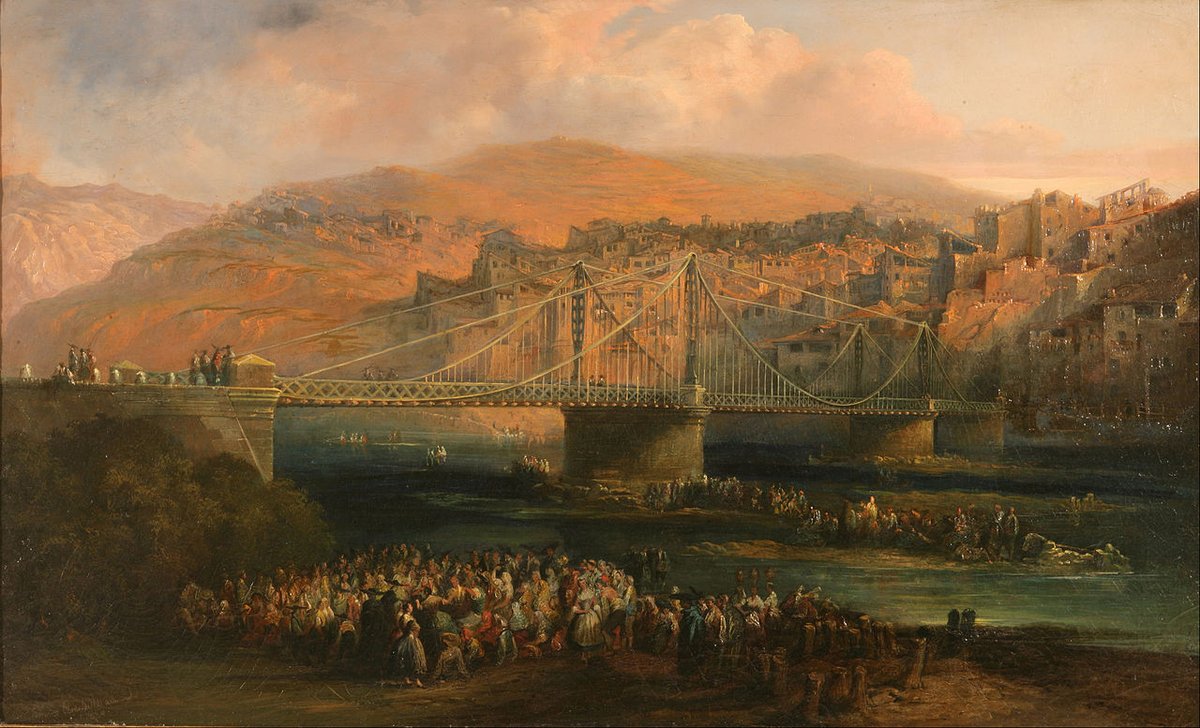
Novillas sits 239 metres above sea level, low enough for the Ebro to dictate the calendar but high enough to escape the worst of the valley’s summer haze. The Romans spotted the advantage first—fragments of their bridge footings still poke out of the water downstream—and the Knights Templar later collected tithes here, though don’t expect battlements: their presence survives only as recycled ashlars in farmhouse walls and the stub of a Romanesque chapel beside the modern church of San Miguel. The parroquial itself is a quiet lesson in provincial thrift: 16th-century base, 18th-century tower, 20th-century roof tiles that the parish council still argues about every Easter. Step inside and the air smells of candle wax and dusty brocade; the main retablo is over-ornate even by Aragonese standards, but the side chapel keeps a small Virgen de la Esperanza whose wooden face has been repainted so often she looks permanently surprised to find herself here.
Outside, the streets are barely two donkeys wide. Adobe walls the colour of dry biscuits meet stone corners rounded off by centuries of cartwheels. Most houses have a single wooden balcony, just big enough for a geranium pot and a grandmother surveying the morning traffic—currently one post-van and a dog that has learned to trot underneath for shade. There are no souvenir shops; the nearest thing to commerce is the agricultural co-op on the main road, where you can buy a 5-litre plastic drum of extra-virgin for €18 and listen to farmers complain about EU paperwork in thick Ribera accents.
What the River Gives
Walk east for ten minutes past the last allotments and the tarmac dissolves into a farm track that follows a loop of the Ebro. Kingfishers use the telephone wire as a perch; in late autumn the wire sags under the weight of migrating starlings. The river is wide here, slow and olive-green, nothing like the angry torrent that carves through Logroño further downstream. A rough footpath—part of the long-distance Sendero del Ebro—shadows the bank for 6 km upstream to the next village, Alborge. The going is flat, the surface uneven; after rain you’ll need proper footwear unless you fancy explaining to a Zaragoza A&E how you twisted an ankle while bird-watching.
Back in the village, the irrigation channels (acequias) built by Moorish labour a thousand years ago still tick over. They water small huertas that supply Novillas with tomatoes sharp enough to make your eyes water and peaches so juicy locals eat them in the bath. If you ask politely at the bar, the owner’s cousin will sell you a kilo of fruit for €2; she’ll wrap them in old newspaper and warn you they’re “para hoy mismo”, not for tomorrow.
The Wine that Pays the Rent
The Campo de Borja denomination begins at the last streetlamp. From there the land rises gently in terraces stitched together by dry-stone walls; every slope faces south-east, catching the sun before the Moncayo massif steals it. Garnacha is the grape everyone talks about—bush vines planted in the 1950s that yield small, thick-skinned berries. The resulting wine is mid-weight, more fragrant than the punchy stuff from Priorat and easier on the head next morning. Several family bodegas open for tastings, but you need to phone first (numbers are pinned to the co-op door). Expect a quick tour of stainless-steel tanks, a generous pour, and prices around €6 a bottle—cash only, no cards, no souvenir glasses. The serious business happens in September when the harvest starts at dawn to beat the heat; if you volunteer to help you’ll be paid in lunch—salt-cod omelette, lamb chops, and as much tinto as you can politely accept.
When to Come, and When to Stay Away
Spring is the kindest season. Daytime temperatures sit in the low 20s, the vines are neon-green, and the bar puts tables outside on the single plaza. By mid-July the thermometer scrapes 38°C; shade is scarce and the river path turns to dust. August brings the fiestas—three days of processions, brass bands that rehearse at 2 a.m., and a paella cooked in a pan big enough to bath a toddler. It’s fun if you like crowds of 200; otherwise pick the wine-harvest weekend in late September when the village smells of grape must and every doorway hides a fermentation vat humming like distant bees.
Winter is quiet. The sierras to the north collect snow, but down on the plain Novillas gets only frost. On clear days the air is so sharp you can see the Pyrenees 100 km away; on overcast days the mist never lifts and the village feels like the bottom of a cup of cold coffee. Monday is still closing day, only now it’s Monday all week.
Beds, Bread and Petrol
There is no hotel. The nearest rooms are in Borja (15 min by car), a hill-town with a parador and two modest hostals. Novillas does have one casa rural—three bedrooms, five-star reviews, €90 a night—but it’s booked solid by extended families from Pamplona every Easter and again for the September harvest. Plan ahead or base yourself in Tudela, half an hour south, where the leafy campsite charges €20 for a pitch and the Saturday market sells sheep’s cheese that tastes of thyme.
Fill the tank before you arrive: the village pump closed in 2019 and the nearest petrol is on the A-68 junction, 12 km back towards Zaragoza. Cash is likewise scarce; the solitary ATM has a habit of swallowing foreign cards on Fridays. Bring euros, or be prepared to drive to Borja for the privilege of paying €2 to access your own money.
Leaving Without a Souvenir
There is nothing to buy except wine, and even that travels badly in hand luggage. Instead, walk the river loop at sunset when the stone walls turn the colour of burnt cream and the church bell tolls seven times for the farm labourers heading home. The lorries on the N-232 keep thundering past, but down here the only sound is water lapping against reeds and the soft pop of air escaping a fermenting vat. Novillas doesn’t do drama; it simply gets on with growing grapes and keeping the Ebro on its good side. Take a deep breath of must and river mist, then drive back to the motorway before the bar shuts.