Full Article
about Olves
Ocultar artículo Leer artículo completo
The church bell strikes noon over wheat fields that stretch beyond sight. In Olves, population 110, the sound carries clear across the village's single street, bouncing off limestone walls that have absorbed five centuries of Aragonese summers. At 807 metres above sea level, the air carries the dry scent of cereal crops and wild thyme—a smell that money can't bottle in souvenir shops, mainly because there aren't any.
This is Spain stripped of flamenco tablaos and sangria fountains. Instead, you'll find Modesto repairing a threshing sled in his barn doorway while discussing rainfall statistics with anyone who'll listen. The conversation matters here; when your municipality covers 32 square kilometres of agricultural land, weather forecasts aren't small talk—they're survival.
The Geometry of Small Spaces
Olves arranges itself along a ridge above the Jalón valley, houses packed tight like books on a shelf. The church tower, built from locally fired brick, serves as both spiritual centre and navigational aid—walk five minutes in any direction and you'll hit wheat fields or the cemetery, whichever comes first. Adobe walls two feet thick keep interiors cool during July's 35-degree afternoons, when the only movement comes from swallows diving between balconies.
The village's compactness becomes its virtue. Within thirty minutes you can catalogue every architectural detail: the 16th-century doorway with its Moorish arch, the iron balcony where someone once painted "1978" in blue enamel, the communal washing trough fed by a spring that's never run dry. Details reveal themselves slowly. Look up and notice wooden eaves carved with wheat sheaves. Look down and spot the stone grooves where generations sharpened harvesting sickles.
Getting here requires commitment. The nearest train station sits 45 kilometres away in Calatayud, served by twice-daily services from Madrid that take ninety minutes. Car hire becomes essential; the A-1506 road winds through agricultural plains so flat they appear to curve with the earth. Public transport? Forget it. The last bus left in 2018.
What Grows Between the Stones
The surrounding landscape operates on agricultural time. From April to June, wheat shifts from emerald to gold under constant sun. By July, combine harvesters work through the night, their headlights creating alien crop circles in the darkness. August brings sunflowers, their faces tracking east to west like solar panels. October sees olives harvested for oil pressed in nearby Villarroya de la Sierra—buy a five-litre tin for €18, if you remember enough Spanish to ask.
Walking tracks radiate from the village like spokes, though "tracks" flatters what are essentially farm access roads. The GR-90 long-distance path passes within three kilometres; follow it south for two hours and you'll reach Morata de Jalón, famous for its spring rosé wine festival. Northwards, the route climbs into the Sierra de Vicort, where limestone outcrops provide nesting sites for griffon vultures. Their two-metre wingspans cast moving shadows over cereal fields—a reminder that wilderness exists here, just slightly removed.
Birdwatchers should pack binoculars and patience. The steppe harbours Dupont's larks and pin-tailed sandgrouse, though you'll need dawn starts and still conditions. More reliable are the red kites that circle overhead, scavenging after harvesting machinery. They appear within minutes of any engine starting, like feathered tax collectors.
Eating According to the Land
Food follows the agricultural calendar. In April, wild asparagus appears in scrambled eggs at the sole bar, which opens sporadically depending on whether María feels like cooking. June brings garden peas, served stewed with onion and Serrano ham. September means migas—fried breadcrumbs with grapes—eaten at long tables during the harvest festival. The rest of the year? Expect lamb chops from animals that grazed within sight of your table, served with potatoes roasted in olive oil that costs less than bottled water.
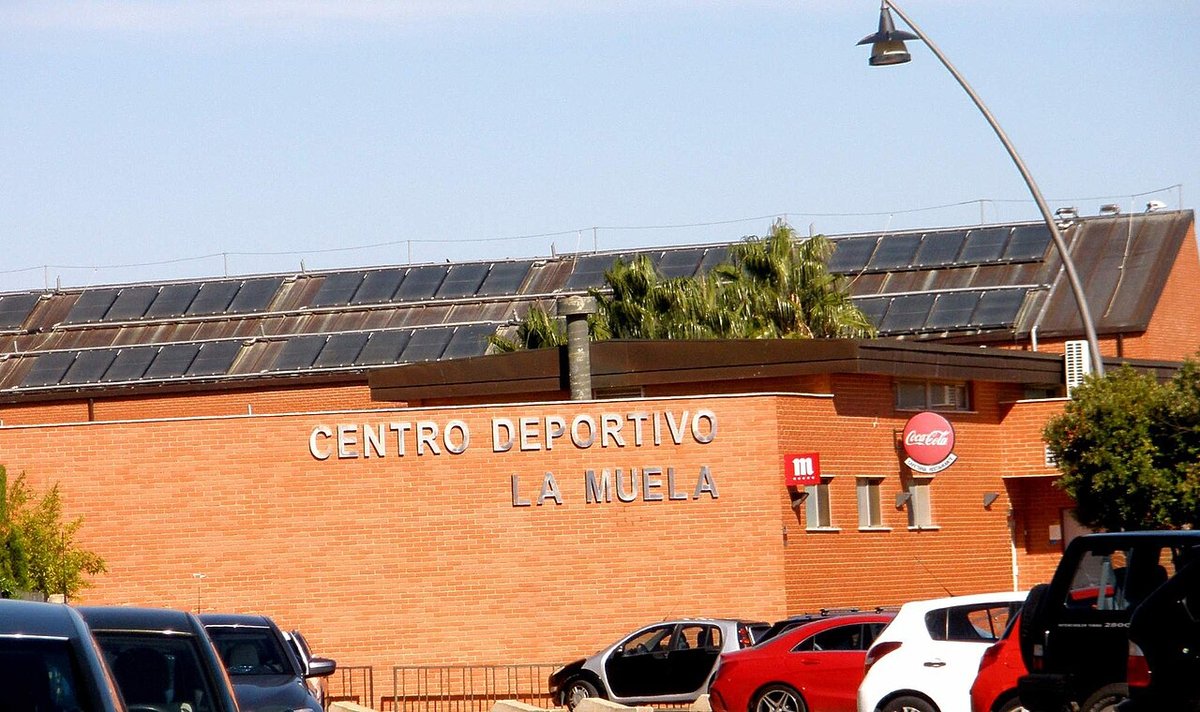
The village lacks restaurants, hotels, even a shop. Accommodation means either Casa Rural La Torreta (three bedrooms, €80 per night minimum two nights) or pitching a tent in the designated camping area near the sports ground—sports being a generous term for a concrete pad with one rusted basketball hoop. Booking requires telephoning Pilar, who speaks rapid Aragonese Spanish and responds to emails approximately once monthly.
For supplies, Calatayud's supermarkets lie twenty-five minutes away. Stock up properly; returning for forgotten milk means an hour's round trip through landscapes that blur into repetition. Buy local wine—Cooperative de Calatayud produces decent Garnacha for €3.50 that tastes of sun and iron-rich soil.
When the Village Wakes
Olves transforms during its August fiesta, when population swells to 400. Former residents return from Zaragoza and Barcelona, pitching tents in orchards and sleeping in caravans. The church square hosts nightly verbenas; locals dance jotas until 3am while children career between legs clutching sugar-coated pastries. Temporary bars serve beer from polystyrene coolers, creating makeshift terraces where grandparents hold court over generational gossip.
The highlight comes Saturday evening with the torchlit procession. Villagers carry flaming bundles of grapevines through wheat stubble fields, circling the settlement in a ritual that predates written records. Sparks drift upwards towards stars undimmed by light pollution; the smell of burning vine wood mingles with dust from harvested fields. It's spectacular, primal, and entirely unphotogenic—phone cameras capture only orange blurs against darkness.
Winter brings different rhythms. January temperatures drop to -8°C; adobe walls that cooled interiors now retain heat from wood-burning stoves. Snow falls occasionally, transforming the ochre landscape into black and white photography. The village empties further—some mornings only tractor tracks disturb overnight snowfall. This is when Olves reveals its harshest truth: beauty exists here, but convenience doesn't.
The Unvarnished Reality
Visit expecting infrastructure and you'll leave disappointed. Mobile signal drops to 3G between buildings. The nearest cash machine stands fifteen kilometres away in Maluenda. Medical emergencies require a forty-minute ambulance ride. Rain turns access roads to mud that clings to footwear like concrete.
Yet these inconveniences create something increasingly rare—authenticity without marketing departments. In Olves, nobody sells you an "experience" because they're too busy living actual lives. The wheat will grow and be harvested regardless of your visit. The church bell will continue marking hours that matter only to those who hear it daily. Modesto will keep repairing agricultural machinery using techniques his grandfather taught him.
Come here to understand that rural Spain isn't a theme park but a working landscape where people measure distance in harvesting time and judge seasons by crop height. Bring hiking boots, Spanish phrases, and realistic expectations. Leave with wheat chaff in your pockets and a clearer sense of what persists when tourism moves elsewhere.