Full Article
about Ontinena
Ocultar artículo Leer artículo completo
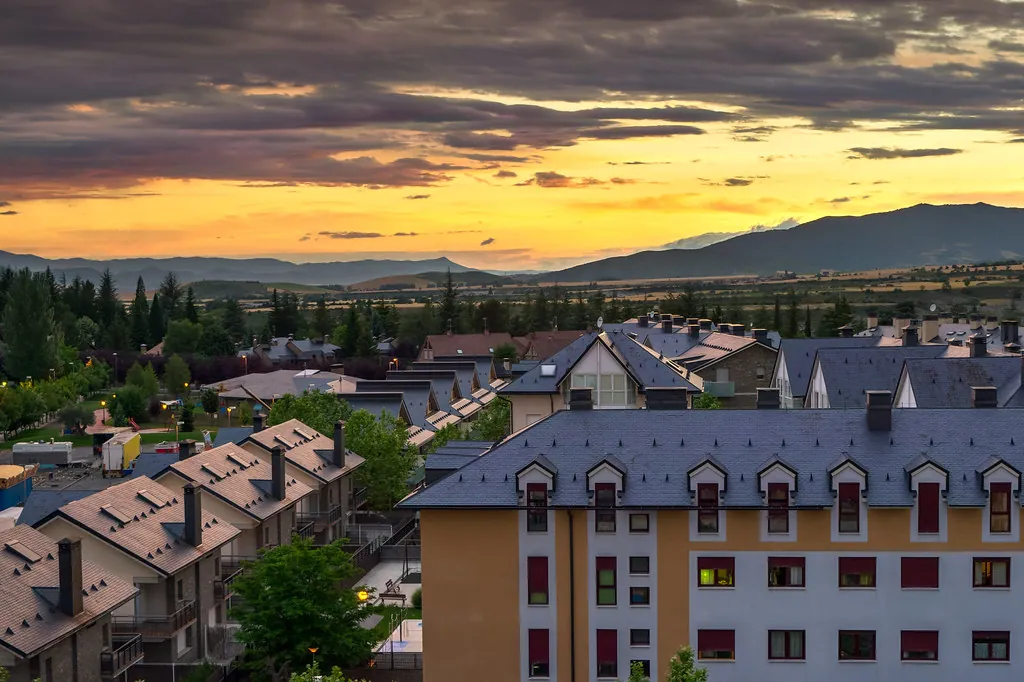
The church bell strikes noon and every front door seems to breathe open at once. Washing flaps on first-floor balconies, a tractor coughs into life, and the bar on Plaza España fills with men in dust-grey overalls who still call the owner “tío” after forty years. This is Ontiñena at midday, a village of five hundred souls stretched along a single grid of stone houses, 215 metres above sea level and light-years away from the Costa Blanca sales brochures.
A Plain That Refuses to Be Flat
Approach from Huesca on the A-131 and the land looks table-flat, but the road keeps dipping—one, two, three subtle terraces—until the tower of San Esteban pokes above the cereal line. Those dips matter: each marks an ancient irrigation channel that feeds the Cinca valley’s orchards of peach and pear. Pull over at the first “Área de Descanso” after the Lleida turn-off and you can see the logic of the place: water on the left, stone on the right, village dead centre.
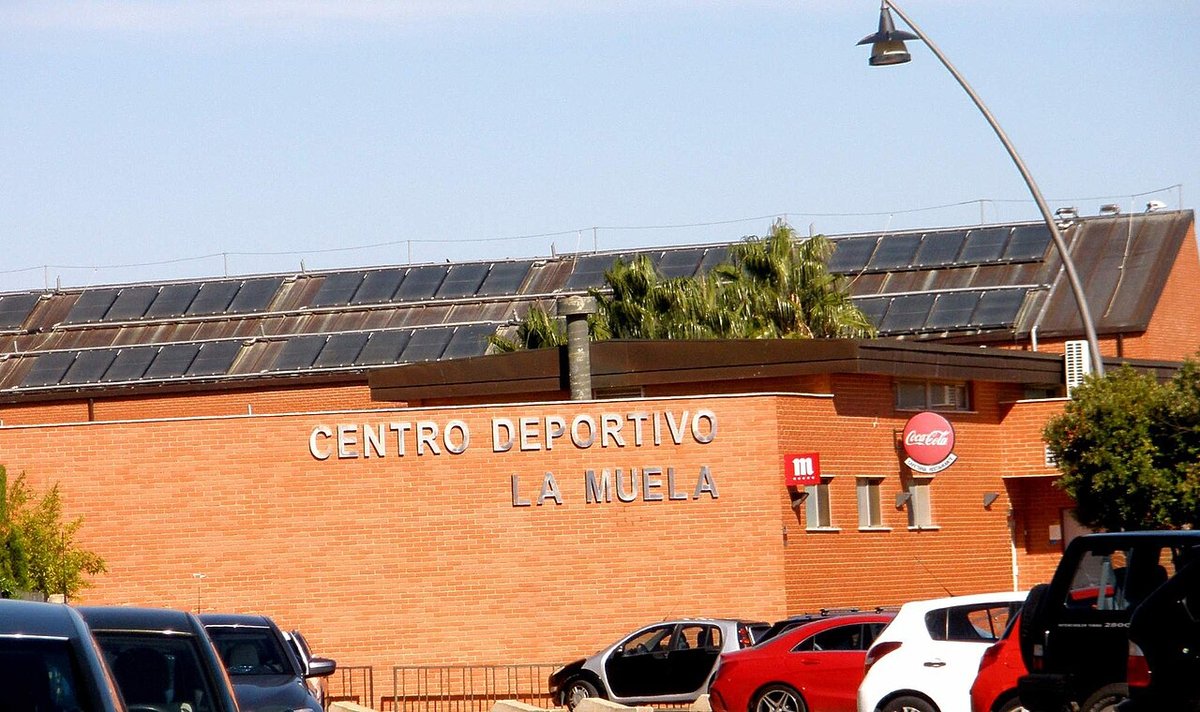
Ontiñena never had the population to spill beyond its 18th-century footprint, so everything sits inside a five-minute walk. The parish church, part Romanesque, part no-nonsense Gothic repair job, anchors the northern edge; the polideportivo—a concrete football pitch with a single metal stand—guards the south. Between them, the streets are arrow-straight, the stone the colour of dry biscuit, and the temperature, even in April, five degrees warmer than Zaragoza thanks to the sheltering effect of the river corridor.
Stone, Water, Wood Smoke
The oldest houses are built for furnace summers and knife-edge winters. Walls a metre thick keep interiors cave-cool in July; tiny windows, originally unglazed, are now filled with aluminium frames that rattle in the cierzo wind. Look up and you’ll spot the family crests—wheat sheaves, a single five-petalled rose—carved into the keystones above doorways. Many have been re-chiselled; the Civil War zealots who tried to erase them underestimated local patience and a good stonemason.
Water remains public property. Every side street ends at a “balsa”, a stone trough fed by the acequia madre that still runs open down Calle San Roque. Women no longer do laundry there, but you’ll see gardeners dunking onions to plump them before market, and teenagers filling buckets to sluice down motorbikes. The troughs are the social thermostat: stand still for thirty seconds and someone will ask where you’re from, whether you’ve eaten, and whether you know that the road to Fraga is closed for resurfacing.
Eating What the River Allows
Forget tasting menus. Ontiñena’s restaurants—there are two, both open only at lunch—serve what the valley produces that week. In March it’s calçot-style spring onions, charred over vine prunings and dipped in gritty almond romesco. June brings fat peaches the size of cricket balls, served as dessert with nothing more than a jug of cold water. September is ternasco lamb, raised on the alfalfa fields you cycled past that morning. Expect half a kilo per person, no vegetables beyond roast potatoes, and a bill around €14 including wine from Cariñena that tastes of iron and sun.
If the bars are shuttered, knock on the metal door opposite the church. Casa Julián sells frozen migas portions and homemade peach almibar to take away; leave the money on the counter if no one answers—they’ll collect it after siesta. British visitors routinely under-cater for the generosity: accept the offered chupito of mistela even if you’re driving; refusal is read as suspicion, not sobriety.
Flat Roads, Big Sky
Ontiñena makes a surprisingly useful base for low-level cycling. Head east on the CV-104 and within 8 km you’re on the Soto del Cinca, a riverside cottonwood belt where golden orioles whistle like faulty fax machines. The track is graded gravel, rideable on 28 mm tyres, and shade arrives in 200-metre bursts—enough to survive July departures if you start by 7 a.m. Carry two litres of water; the only fountain is at kilometre 12, just past the ruined azud (weir) that once powered a rice mill.
Walkers can follow the irrigation ditches west toward Velilla. The path is a metre-wide grass shelf between peach orchards; stiles are non-existent, so expect to hoist yourself over electric fences that pulse at horse-strength voltage. OS-style maps don’t exist here: download the free IGN “Mapas” app and cache Aragon sheet 420 before you leave Wi-Fi. Mobile signal drops to emergency-only under the poplars.
When the Village Comes Home
August 3rd is San Esteban’s eve. By 6 p.m. the first cars with Barcelona plates nose into spaces that didn’t exist the day before—neighbours have moved tractors onto verge verges to make room. Brass bands rehearse until 2 a.m.; no one considers this noise. The next morning’s procession lasts nineteen minutes, but the paella gigante that follows feeds 1,200 people using rice shipped in from the Ebro delta because local fields are now fruit. If you want a plate, buy a €5 ticket from the kiosko by Thursday; they’re gone by Friday lunch.
September’s Virgen del Pilar is quieter: a single marquee, elderly women in black lace, and a communal dinner where the mayor pours the wine. Tourists are welcome but not announced; sit at any table and you’ll be passed the bread before you’ve unfolded your napkin. British politeness—queuing, insisting on paying—causes mild panic. The accepted move is to bring a box of mantecados from the Huesca supermarket and hand it to the nearest grandmother. She will distribute them perfectly.
Getting There, Staying Sane
There is no railway. From Zaragoza–Delicias bus station, the 8.15 a.m. coach reaches Fraga at 10.05; a local “transporte escolar” does the final 14 km to Ontiñena on school days only. Miss it and a taxi costs €25—book through the bar called Los Amigos because the driver is his cousin and he’ll answer even when the official switchboard won’t.
Accommodation is limited. Hostal Cinca has six rooms above the bakery; €35 gets you a double with a bathroom tiled in 1973 shades of avocado. The bakery starts work at 5 a.m.; light sleepers should choose the rear room with the cracked window facing the irrigation ditch rather than the street. There is no reception—collect the key from the bread counter and pay when you check out, preferably in cash because the card machine lives in a drawer that nobody can find.
The Part They Don’t Print on Postcards
Ontiñena is not pretty in the chocolate-box sense. The river can smell of fertiliser run-off in late summer; the main street’s tarmac is patched like a quilt; and the 2019 drought left half the plane trees dead, their skeletal crowns still waiting for the council to fell them. Evenings in February feel interminable: shops close at 6, television aerials hiss in the wind, and every dog barks at the same echo.
Yet the village keeps a rhythm that bigger Spanish towns have lost. The bakery reserves a loaf for the widower who arrives at 11 sharp; the bars still chalk football scores on the wall because mobile apps feel like cheating; and when the church bell tolls for a funeral, tractors pull to the verge and drivers stand beside them, hats in hand, until the last echo dies. Visitors expecting staged folklore will leave disappointed; those happy to buy a €1.20 coffee and listen will hear stories about the 1938 retreat, the 1956 flood, and why the best peach trees grow where the old railway used to run. Stay long enough to be recognised—three days usually suffices—and Ontiñena stops being a dot on the map and becomes a reference point you’ll use to measure noisier, faster places.