Full Article
about Orcajo
Ocultar artículo Leer artículo completo
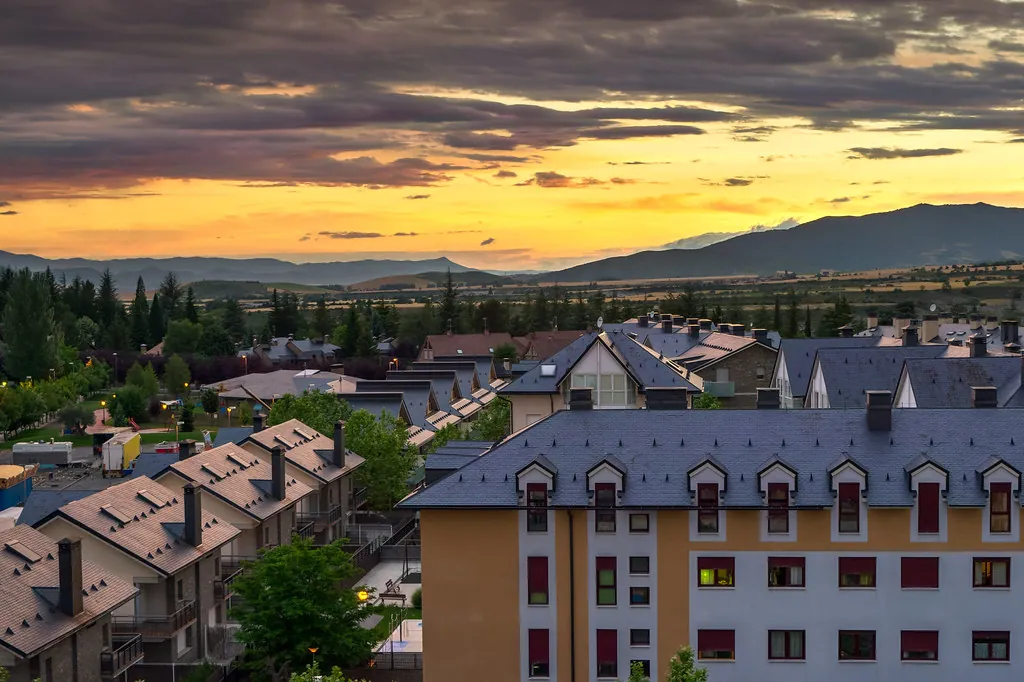
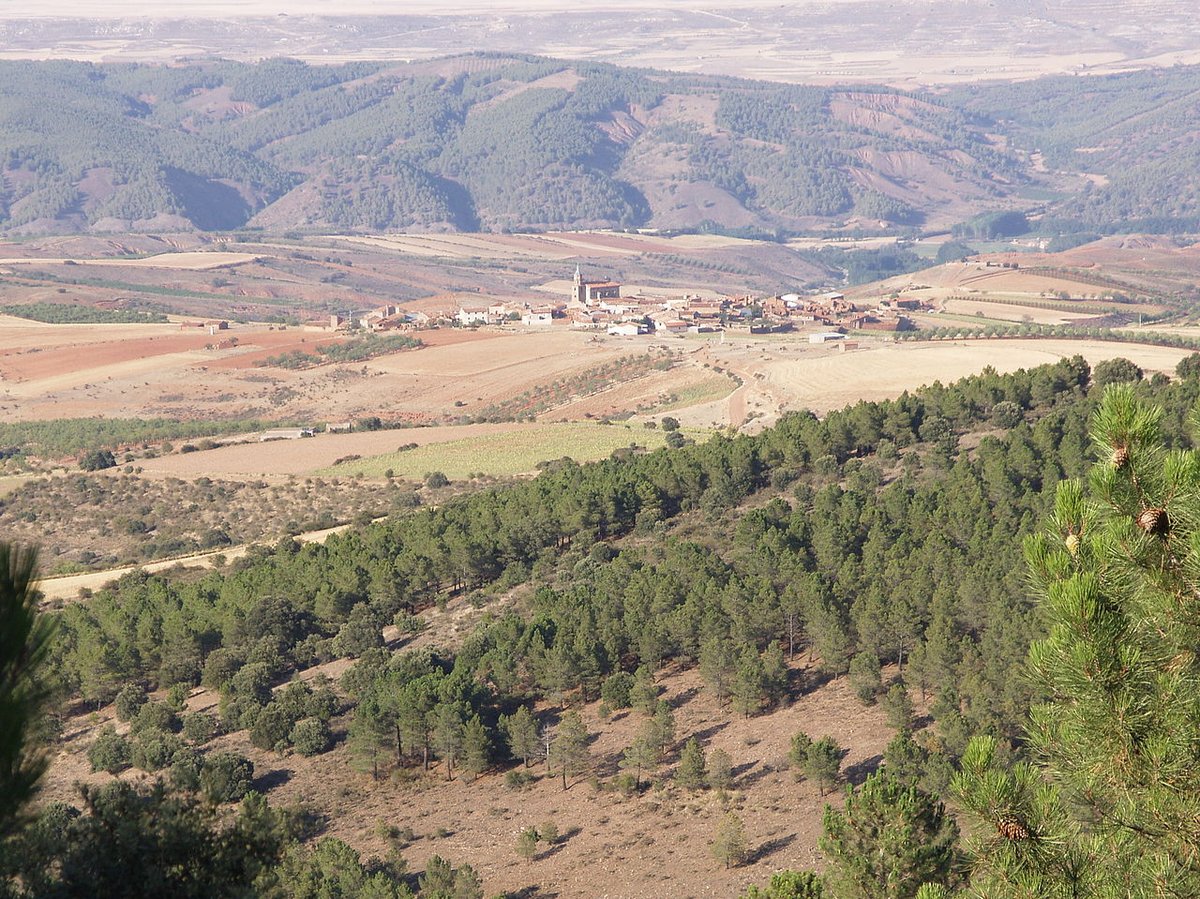
The church bell strikes noon, yet only three shadows move through Orcajo's stone streets. At 770 metres above sea level, the air carries a sharpness that surprises visitors expecting Mediterranean warmth. This is Spain's high plateau, where winter bites and summer sun scorches earth baked dry by centuries of wind.
Fifty-seven souls call this home. They've learned to read the sky like scripture, watching cereal fields shift from emerald to gold whilst eagles circle overhead. The village sits exposed, no forest canopy offering shelter, just rolling steppe stretching towards distant horizons. It's landscape that demands respect rather than delivers postcard perfection.
Stone walls meet adobe in constructions that have weathered more seasons than any living memory. Thick masonry keeps interiors cool during August's furnace, whilst small windows face away from prevailing winds that carry dust across Aragón's interior. These aren't architectural choices but survival strategies, evolved through generations who understood that beauty here means endurance.
Walking Where Civilisation Thins
Tracks radiate from Orcajo like spokes from a wheel, following ancient rights of way between cereal plots and fallow ground. The going underfoot remains firm even after rain, though rain itself proves elusive during summer months when temperatures regularly exceed thirty-five degrees. Spring brings gentler conditions, wildflowers punctuating wheat with purple and yellow splashes against ochre soil.
Distances deceive in this landscape. A neighbouring village appears close enough to touch, yet requires two hours steady walking across open country. No trees offer shade, no streams provide water. Those attempting longer routes must carry supplies, plotting return journeys carefully since mobile reception proves as unreliable as the weather.
Birdwatchers find reward for their preparation. Hen harriers quarter fields methodically, whilst short-toed eagles ride thermals above. Dawn and dusk offer best sightings, when raptors hunt actively and light turns straw stubble copper. The absence of human disturbance means wildlife remains approachable, though photographers still need long lenses for frame-filling shots.
Winter transforms everything. Temperatures drop below freezing for weeks, roads become treacherous when ice forms. The village turns inward, inhabitants emerging only for essential tasks. Snow falls rarely but when it arrives, settles persistently across fields that normally see only sun-bleached dryness. This is when Orcajo feels most remote, cut off from provincial capital Zaragoza ninety-six kilometres distant.
Eating From an Empty Larder
Hospitality operates differently where commercial infrastructure barely exists. No restaurants serve evening meals, no bars stay open past nine o'clock. Visitors dependent on public dining face disappointment, though this changes when locals extend invitations into their homes. Accept, and you'll taste dishes shaped by scarcity rather than chef training.
Tuna and potato pie appears frequently, protein stretched with root vegetables that store through winter months. Local sponge cake accompanies coffee, its simplicity reflecting ingredients available to housewives who baked between farm duties. Goat and sheep cheeses arrive unannounced, produced by families maintaining small flocks on surrounding grassland. Nothing demonstrates terroir more clearly than cheese made from animals grazing within sight of your table.
The second weekend of May brings temporary abundance. Villagers celebrate their patronal festival, returning from Zaragoza or Barcelona where most younger residents now work. Suddenly streets fill with conversation, temporary stalls sell grilled sausages, wine flows freely. For forty-eight hours, Orcajo remembers its past as agricultural centre rather than weekend retreat. Then Monday arrives, cars depart, silence returns like tide retreating from shore.
Finding Your Way to Nowhere
Reaching Orcajo requires deliberate effort, which explains why visitor numbers remain minimal. Ryanair flights from Stansted land at Zaragoza twice weekly, though schedules suit city-breakers rather than rural explorers. Hire cars await at the airport, necessary since no bus routes serve the village. Navigation proves straightforward initially: follow the A-23 southwest for seventy kilometres, take exit 210 towards Daroca, then navigate smaller roads signposted for Orcajo.
The final twenty kilometres demand attention. Single-track sections appear without warning, requiring reverse manoeuvres when meeting agricultural machinery. Stone walls crowd verges, leaving no margin for error. Sat-nav systems occasionally confuse Orcajo with similarly named villages elsewhere in Spain, so specifying "Campo de Daroca, Zaragoza province" prevents midnight arrivals in wrong locations entirely.
Accommodation options remain limited to say the least. No hotels operate within the village, no guesthouses advertise rooms. Rural tourism legislation theoretically permits private home rentals, though finding owners requires local knowledge and fluent Spanish. More practical visitors base themselves in Daroca, twenty-five minutes drive away, where medieval walls enclose several small hotels. Day trips from Zaragoza remain feasible, though rushing misses the point of places where time itself moves differently.
The Unvarnished Truth
Orcajo challenges twenty-first century expectations about what constitutes worthwhile travel. There's no souvenir shop, no interpretive centre, no Instagram moment demanding hashtag attention. Instead, visitors find space to contemplate horizons uncluttered by human intervention, where skylarks provide soundtrack and boot leather connects with earth that sustained families across millennia.
This honesty extends to practical realities. Summer heat proves relentless, winter cold penetrates despite thermal layers. Mobile phone batteries drain searching for non-existent signals. The nearest petrol station sits thirty kilometres distant, medical facilities further still. Coming here means accepting responsibility for self-sufficiency in ways that modern life normally eliminates.
Yet something valuable survives in places bypassed by progress. Conversation happens without digital distraction, hospitality extends without commercial calculation, landscape reveals its secrets to those who invest time rather than money. Orcajo offers no attractions in conventional terms, instead providing something increasingly rare: the chance to experience Spain as it existed before tourism itself became an industry.
Whether that justifies the journey depends entirely on what you seek from travel. Come expecting entertainment and you'll depart disappointed. Arrive prepared for emptiness, however, and discover why some places need no attractions beyond their own unadorned existence.