Full Article
about Oseja
Ocultar artículo Leer artículo completo
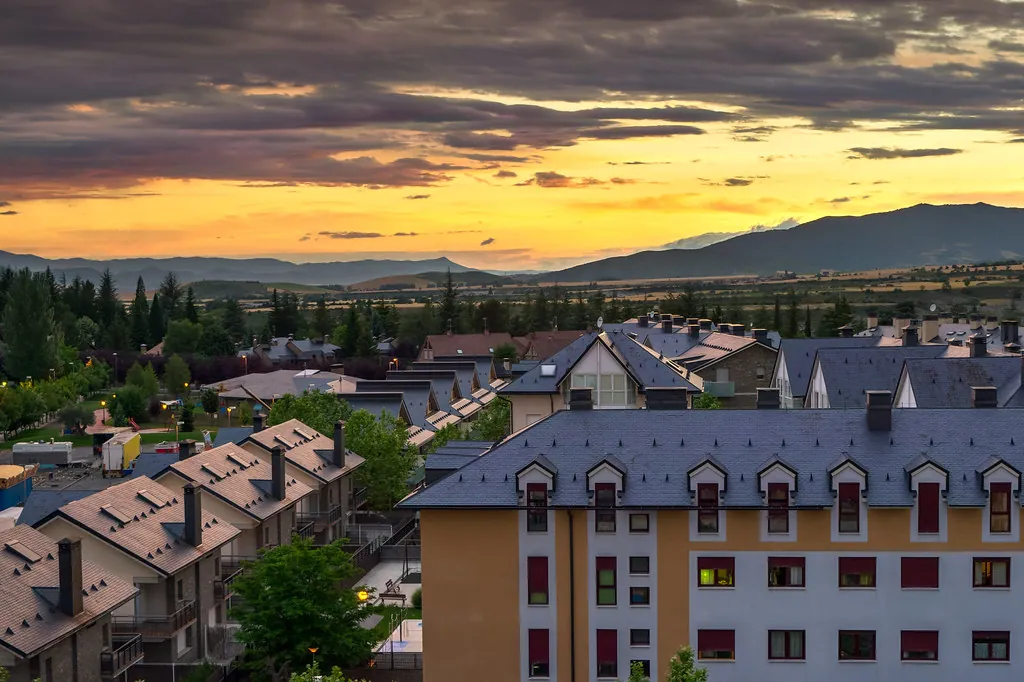
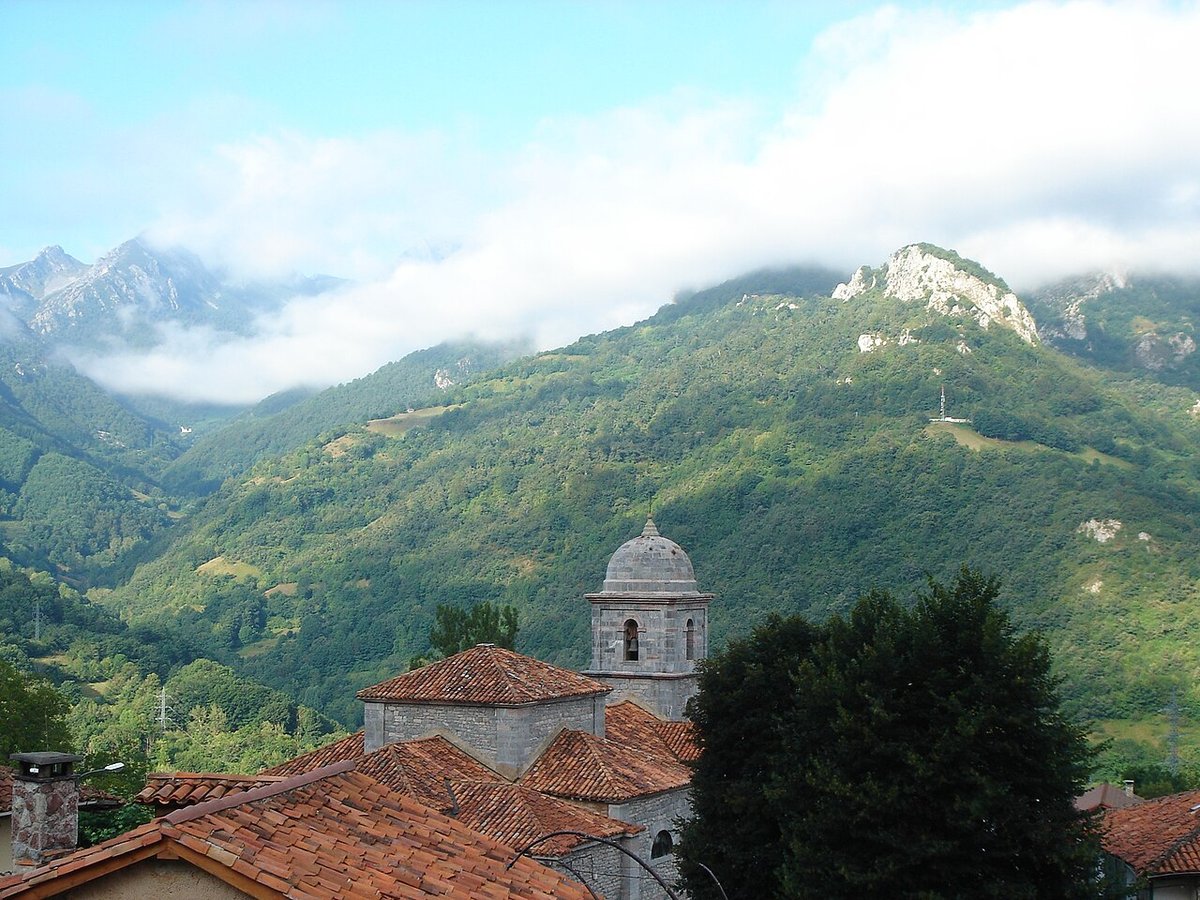
The church bell strikes eleven and nobody stirs. Not a single café awning opens, no engine turns over, no footsteps echo across the stone. At 827 metres above sea level, Oseja’s only reliable traffic is the wind that combs the cereal fields and rattles the iron balconies of houses painted the colour of warm parchment. Fifty-two residents, two narrow streets, one parish church: statistics that read like a typo beside the usual Spanish village roll-call of tapas tours and artisan markets.
Silence here is not a marketing pose. It is the residue of a century in which young Aragonese steadily traded threshing floors for Zaragoza factory gates, then for Barcelona apartments, then for jobs north of the Pyrenees. What they left behind is a settlement that feels half-remembered even while you stand in it. Rooflines sag honestly. Adobe walls carry the thumbprints of masons who died before Franco was born. A wooden balcony brace still bears the pencil marks of the carpenter who measured it in 1923. No one has bothered to sand them away.
Approach from the A-2 and the landscape loosens its grip. The motorway’s irrigation circles give way to dry ridges, then to the comarca of Aranda’s gentle swells, every fold planted with wheat or barley depending on rotation and nerve. Oseja appears abruptly: a pale stone wedge on a spur, no billboard, no industrial estate, just a brown road sign the size of a dinner plate. Leave the car on the rough hectare at the entrance—parking is free, unlimited and usually solitary—and walk uphill past the first houses. Shutters are closed even at midday; dogs bark once, then lose interest.
The Iglesia de San Pedro rises at the top like a foreman who has outlived the workforce. Its tower is square, pragmatic, the colour of weathered loaf. Inside, the air smells of candle smoke and sun-baked plaster. A single nave, a 17th-century retablo gilded with the kind of ochre that looks dull until a shaft of light ignites it, and a bell rope that anyone is free to pull if they feel the occasion warrants it. The priest drives over from Torralba de Aragón on Sundays; the rest of the week the building stands unlocked on trust. Try the door; it yields.
Outside again, the village’s two streets converge on a tiny plaza without a name. The stone bench there faces west, handy in April when the sun drops behind the Moncayo massif and the cereal heads glow like brushed brass. There is no bar, no shop, no ATM. Bring water and whatever food you need; the nearest provisions are 12 km away in Langa del Castillo, a drive that involves three junctions without a single traffic light. Mobile reception flickers between 3G and philosophical resignation depending on cloud cover.
What Oseja offers instead is a network of farm tracks that fan out across the meseta like dry veins. They are not way-marked in English, but the logic is simple: keep the tower in sight and you will find your way home. One path skirts three threshing floors—wide stone discs where villagers once trampled wheat with mules. Now they serve as look-outs. Stand on the southernmost plate at dusk and the land falls away in a brown haze until it meets the blue-grey line of the Iberian cordillera 40 km off. Swallows stitch the gap between earth and sky; a combine harvester crawls like a ladybird across someone else’s horizon. You will hear its engine only if the wind turns.
Spring brings the softest palette—green shoots, flax-blue sky, white almond blossom flickering in abandoned orchards. By late June the wheat ripens to gold and the air smells of straw dust and warm resin. August is fierce: 35 °C by four o’clock, cicadas drilling the silence, shade worth more than sangria. Arrive then and you will understand why every house has a south-facing balcony no deeper than a hand’s breadth: just enough to keep the sun from the wall, not enough to invite sitting outside. Autumn is kinder; stubble fires send up thin columns of smoke that smell faintly of toast, and the low sun picks out every ridge in the straw like a contour map.
There are no hotels, no casas rurales registered with the regional tourist board, no swimming pool, no Saturday craft fair. Accommodation means either a folding chair and a telescope for the Milky Way—ink-black, dense with salt-bright stars—or the willingness to knock on doors. Ask for María Luisa in the house with the crimson railings; she sometimes lets the upstairs room to walkers for thirty euros, breakfast of thick coffee and home-made mantecados included. Payment is cash only, preferably exact change.
Food follows the same improvised rhythm. The village keeps no restaurant, but if you appear at the right gate at the wrong time you may be handed a plate of migas—fried breadcrumbs streaked with garlic and sausage—because the cook made too much for the harvest crew. Eat it on the wall, return the plate, refuse payment twice, accept a quartered peach. That is how commerce works when the population fits inside a double-decker bus.
Noise arrives just once a year. Around the third weekend of August the fiestas patronales haul exiles back from Zaragoza, Barcelona, even Munich. Population swells to 200; a sound system appears; the plaza becomes a dance floor of boards laid over packed earth. Someone’s cousin DJs until three; the priest looks the other way. By Tuesday the boards are stacked, the emptiness reinstated, and the village exhales into its default hush.
Getting out again requires the same patience you needed to arrive. The weekday bus from Calatayud to Aranda de Moncayo stops at the junction 3 km below the village at 07:05 and 18:40. Miss it and you are walking under a sky so wide it feels diagnostic. Otherwise drive: 100 km from Zaragoza, roughly 70 minutes if you resist stopping to photograph every ridge. Petrol stations thin out after Borja; fill the tank and the water bottle.
Oseja will never appear on a list of “Spain’s prettiest villages”—it lacks the necessary gift-shop density. It offers instead a calibration exercise: how little stimulation you need before the senses reboot. Stand on the threshing floor at sunrise, listen to the wind comb the wheat, and the quiet stops feeling empty and becomes simply the right size. When you leave, the car engine sounds gratuitous, almost vulgar. Back on the A-2 the lorries blast past, Zaragoza’s outskirts swell with billboards, and you realise the village has done the rarest thing a place can manage: it sent you away with less noise in your head than you brought.