Full Article
about Paracuellos de Jiloca
Ocultar artículo Leer artículo completo
The outdoor thermal pool at Paracuellos de Jiloca stays at a steady 32°C even when January frost whitewashes the surrounding wheat fields. This geological oddity—natural springs bubbling up through limestone at 52°C—has drawn Romans, monks and now bargain-hunting British weekenders who base themselves here for £65 a night, full board.
The Springs and the Reality Check
Most visitors never see the village proper. They exit the A-2 at Calatayud, follow the brown spa signs for 15 km, and pull straight into the Balnea Hotel's car park. The complex squats on the northern edge of town like a purpose-built resort that happened to land in the wrong postcode. Inside, the circuit of thermal baths, jets and saunas is genuinely impressive: Roman-style pools under brick vaults, an outdoor lagoon steaming against the mountain air, and treatment rooms offering mud wraps for €45. What you don't get is polish. TripAdvisor is littered with complaints about "couldn't-care-less receptionists" and treatments that start late because the therapist has nipped out for a cigarette. Bring patience and a phrasebook—English is patchy at best.
The waters themselves justify the hassle. They're rich in calcium, magnesium and bicarbonates, supposedly excellent for arthritis and sports injuries. After a day hiking the Monasterio de Piedra's waterfalls (25 minutes' drive), a twilight soak while swifts dive overhead feels like proper therapy. Just don't expect Champneys. Towels are small, plastic sun-loungers crack in the heat, and the indoor changing rooms smell faintly of sulphur.
What Passes for a Village Centre
Should you wander past the hotel gates, Paracuellos reveals itself as a working agricultural settlement of 582 souls, not a tourist artefact. The main street, Calle Mayor, is barely two tractors wide. Stone houses with blue-painted balconies alternate with breeze-block garages. There's one bar, La Parada, open irregular hours and serving Estrella on tap for €1.80. No supermarket, no cash machine, no souvenir shop—just a noticeboard advertising tractor parts and a village hall that doubles as the doctor's surgery on Tuesdays.
The 16th-century church of Nuestra Señora de la Asunción stands at the top of a modest rise. Its brick Mudejar tower is worth a photograph, though the interior was gutted during the Civil War and restored with concrete pillars. Around the back you'll find what the guidebooks call "castle ruins": two short sections of wall no higher than a garden fence, sprouting wild fennel. Manage expectations—this is not Loarre.
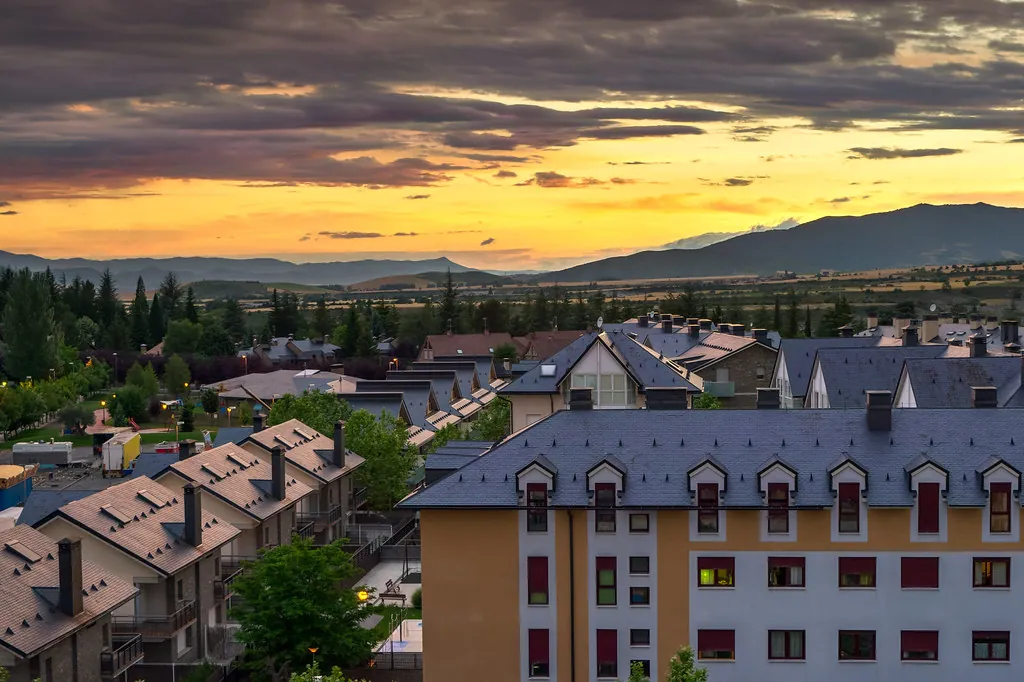
At sunset the wheat stubble glows amber and the Jiloca valley stretches out like a rumpled eiderdown. Photographers rate the light highly, especially during almond blossom in late February when pink petals drift across the irrigation channels. Otherwise the landscape is honest rather than spectacular: rolling dry-farmed plains, the occasional poplar windbreak, and distant sierras shimmering in heat haze.
Eating (or Not) in Paracuellos
Food options inside the village are essentially zero. The hotel buffet becomes your canteen whether you like it or not. Breakfast is adequate—rubbery scrambled eggs, churros, plenty of fruit—while dinner rotates through safe Spanish classics: paella, grilled pork, tortilla. House wine is drinkable Calatayud DO; ask for Enate's garnacha for something with more body. If you need a change of scene, drive ten minutes to Calatayud where Mesón de la Dolores does roast suckling pig crisp enough to convert even the most sceptical Brit.
Sunday lunch poses a particular problem. Aragón shuts down tighter than the Home Counties. Your choices are the hotel, a roadside Venta del Soto 5 km towards the motorway, or pack sandwiches. Plan ahead.
Walking and Winter Access
A way-marked path leaves from the spa gates, looping 6 km through almond groves and across a dry ravine. The route is signed but faint—download the route to your phone before you set off. Spring brings poppies and the smell of wild thyme; by July the track is baked hard and shadeless. Carry water, and expect to share the path only with a farmer on his quad bike.
Higher walks exist in the Sierra de Vicort to the north, though you'll need to drive 20 minutes to reach proper trailheads. In winter the valley can trap cold air; daytime highs hover round 8°C but nights drop below freezing. The hotel pool stays open—steam rises dramatically into frosty air—but country lanes ice over. A front-wheel-drive hire car suffices most of the year; after snow, chains are mandatory and the spa reception will warn you not to attempt the hill to the main road.
Fiestas and When to Come
August 15 brings the village's only burst of noise. The fiesta for the Assumption fills the single street with brass bands, a procession and an outdoor dance that continues until the mayor turns the generator off at 03:00. Rooms must be booked months ahead; otherwise avoid mid-August unless you fancy sharing the thermal pool with 200 excitable teenagers from Zaragoza.
Spring and autumn offer the best balance. Temperatures sit in the low 20s, wheat fields shimmer green then gold, and hotel rates drop to €55 half-board. Easter week is quiet—no processions here, drive to Calatayud for those—while late October sees the pig-slaughter traditions relegated to family garages. You might catch the smell of morcilla drifting on the wind if you walk past the right farmhouse.
Getting Here, Getting Out
Ryanair and EasyJet fly direct to Zaragoza from London-Stansted; Manchester operates three times weekly April-October. Hire cars are cheapest booked in advance with Goldcar or Europcar at the airport. The drive is 75 minutes on fast dual-carriageway, last 15 km on the N-234 which is single-lane but well-surfaced. Public transport is hopeless: a morning train from Zaragoza to Calatayud connects with a school bus that might stop in Paracuellos if you ask nicely. Taxis from Calatayud cost €15—book the day before or you will wait an hour.
Most British visitors treat Paracuellos as a two-night thermal stop: arrive late afternoon, soak, eat, sleep, drive off to wine country or the Monasterio de Piedra next morning. That works. Stay longer only if you crave silence broken by church bells and the distant hum of a combine harvester. The springs are genuinely therapeutic; the village itself is simply the backdrop that keeps the tour buses away.