Full Article
about Pastriz
Ocultar artículo Leer artículo completo
The Village That Isn't Quite Rural
Pastriz sits eighteen kilometres west of Zaragoza, close enough that you can see the city's apartment blocks shimmering in the heat haze from the top of Calle Mayor. What looks like a rural village on the map is actually a commuter settlement where most residents leave before eight each morning and don't return until the supermarkets are shutting. The municipality has 5,000 inhabitants, but daylight headcounts reveal far fewer.
This matters because many British visitors arrive expecting a slice of authentic Aragonese countryside and find instead a place that functions more like a Spanish Milton Keynes: practical, modern, and short on postcard moments. The A-2 motorway roars along the southern edge, carrying Madrid-Barcelona lorries that shake the windows of the Hotel Sercotel Europa. If you need silence, request a room facing the car park, not the fields.
Yet dismissing Pastriz entirely would be a mistake. The village serves a purpose in the region's geography, and understanding that purpose helps make sense of the Ebro valley's recent growth. Land here is cheaper than in Zaragoza proper, so families priced out of the city have settled here since the 1990s, creating a hybrid place that keeps one foot in huerta traditions and the other in logistic-centre Spain.
Rivers, Reeds and the Return Journey
Walk five minutes north of the main road and the sound of traffic fades behind reeds and poplars. The Ebro slides past at walking pace, broad and muddy after winter rains, shrinking to a trickle by late August. A rough path follows the bank for three kilometres towards neighbouring Sobradiel; early mornings bring herons, kingfishers and the occasional otter print in wet sand. The route isn't advertised—look for the gap between the last allotment sheds and the irrigation channel—but locals use it daily for dog walking and, in October, mushroom hunting.
Spring brings colour: apricot blossom in March, then a rapid greening of vegetable plots that supply Zaragoza's restaurants. By May the mosquitoes arrive, vicious enough to send unprepared walkers sprinting back to the bakery for repellent. Autumn is kinder, with warm days, clear light and the smell of crushed grapes from small vineyards that somehow survive despite water rights arguments dating back to the 1930s.
Summer, frankly, is brutal. Temperatures regularly top 38°C, shade is limited, and the river path becomes a dust bowl. Plan any serious walking for dawn, or wait until the sun drops behind the grain silos after seven. Even then, carry more water than you think necessary; the only bar en route opens sporadically and last year ran out of cold drinks during a fiesta.
Eating Between Junctions
Food options reflect Pastriz's role as a transport halt rather than a destination. The Venta El Puerto squats beside the N-330 roundabout, identifiable by the lorry cabs lined up like red and white beetles. Inside, the menu hasn't changed since 1998: chuletón de cordero for two (€38), chips, salad, and a bottle of local garnacha that arrives at table temperature. Portions are enormous; a single order feeds three hungry cyclists. Arrive before two o'clock or after four to avoid the professional drivers who have reservations written into their tachograph schedules.
For lighter bites, the bakery on Calle San Miguel sells excellent empanadas filled with tuna and piquillo peppers, ideal picnic fare if you're heading to the river. Coffee is decent, served in glasses at the bar where retirees debate agricultural subsidies with the intensity others reserve for football. Close at 1.30 p.m. sharp; the owner pulls down the shutter even if you're mid-sip.
Evening choices shrink further. One Chinese restaurant opens at 8 p.m., another truckers' café does plates of fried squid until ten, and that's essentially it. Zaragoza is twenty minutes away—closer than many London suburbs are to Covent Garden—so locals simply drive in when they want variety. Factor the journey into dinner plans unless you're content with whatever the hotel restaurant is reheating.
What Passes for Sights
The Church of San Miguel Arcángel sits at the top of a modest rise, its mismatched tower the result of an 1890s rebuild after lightning split the original stone. Step inside between 11 a.m. and noon on weekdays and you'll find the caretaker replacing candles, happy to point out a sixteenth-century polychrome statue that survived the civil war by being buried in a potato field. The retable is nineteenth-century neo-baroque, over-restored but still impressive under its coat of municipal gold paint. Don't expect English signage; a Spanish phrase book or translation app helps decipher the laminated information sheet.
Opposite the church, two streets of older houses survive: thick walls, wooden balconies, the occasional coat of arms worn smooth by centuries of cierzo wind. Number 14 Calle Nueva hides a tiny private museum—one room, open Saturday mornings—where a retired teacher displays Roman coins found in his vegetable patch and photos of Pastriz before the apartment blocks arrived. Entry is free; donation box proceeds fund the annual September fiesta.
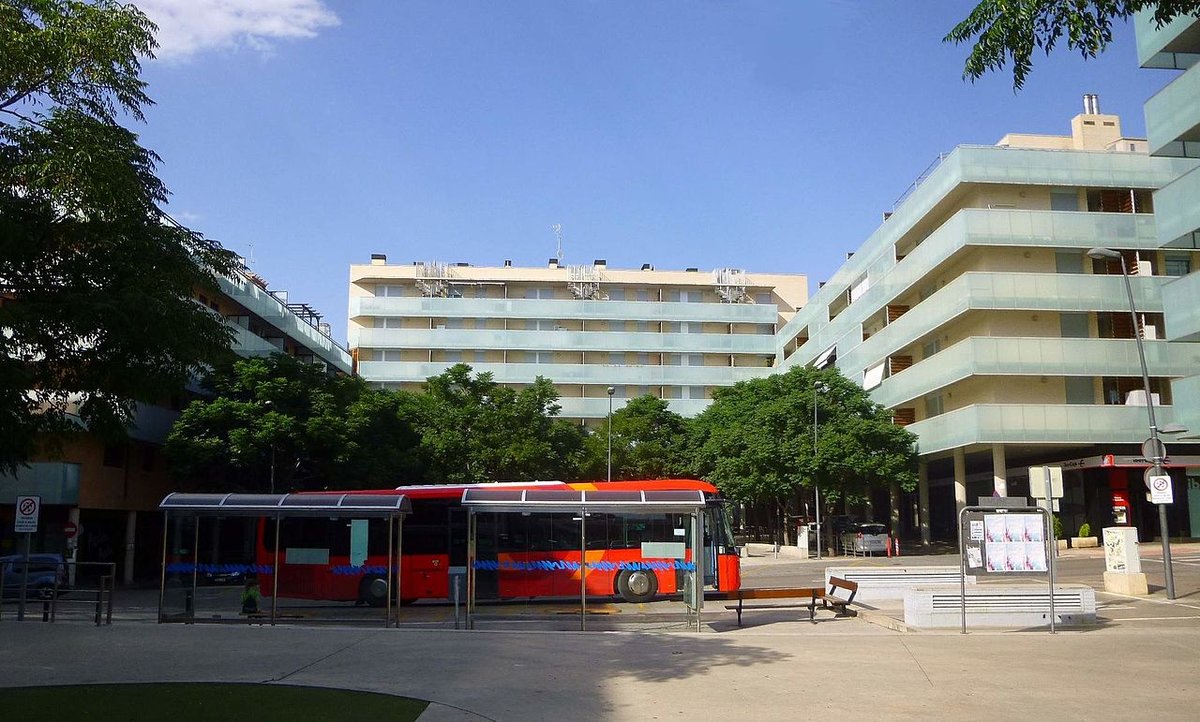
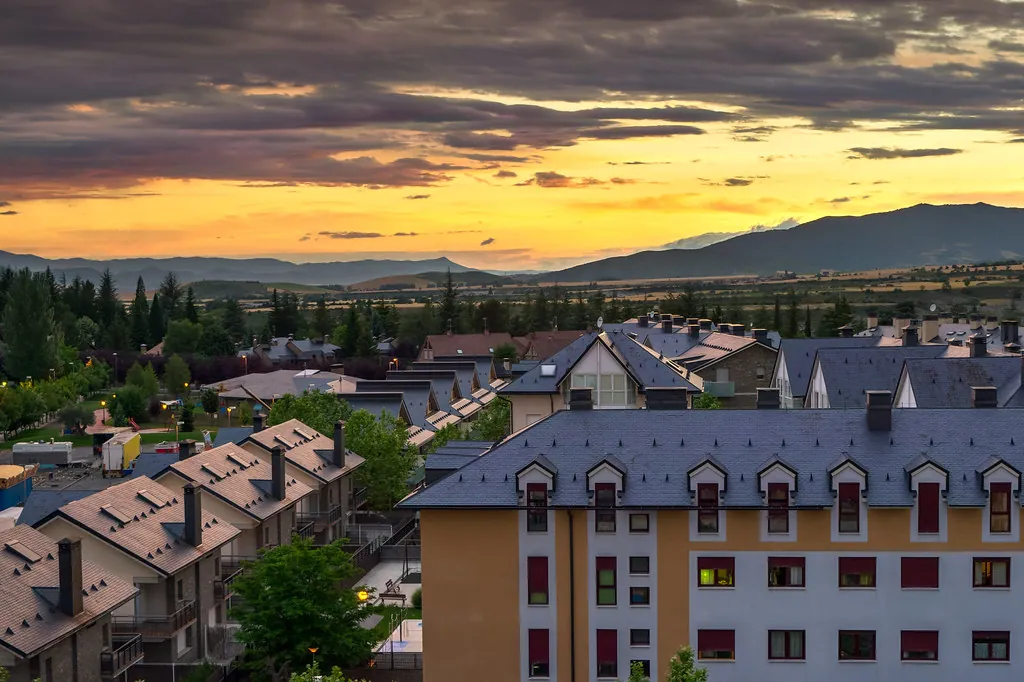
Beyond that, the village is modern grid-plan housing, a health centre, and three petrol stations competing on diesel prices. Photographers looking for rustic Spain leave disappointed; urban planners studying satellite development find the place fascinating. Decide which camp you're in before making the trip.
Timing and Transport
Ryanair flies direct from London Stansted to Zaragoza three times a week, year-round. Hire cars at the airport start at around £30 a day for a compact, and the drive to Pastriz is eighteen kilometres on the A-2, toll-free. Without a vehicle, options narrow: the airport bus terminates at Zaragoza-Delicias station, where ALSA line 260 departs roughly twice daily for Pastriz (€2.40, 35 minutes). Timetables assume you have insider knowledge—check the printed sheet at the bay, because the electronic board often shows "information no disponible".
Taxis from the airport cost €25–30 and most drivers know the Hotel Europa without prompting. Booking a return pickup is wise; Uber coverage exists but cars can take twenty minutes to appear. Cycling is feasible if you're touring: the camino natural del Ebro path links Zaragoza city centre to Pastriz in two leisurely hours, entirely flat and 80% traffic-free.
Accommodation divides into two categories. The Sercotel Europa caters to sales reps: clean, air-conditioned, €65–75 for a double including a buffet that runs out of pastries by nine. On the same industrial estate, ApartHotel Villa de Pastriz offers studio flats with tiny kitchens, popular with contract workers staying the week. Weekend rates drop by 30% once business travellers head home. Book directly; online platforms add cleaning fees that the reception waives if you ask.
When to Bother, When to Skip
Come in late April for the agricultural fair held on the football pitch: seed merchants, tractor displays, and a tent serving free migas (fried breadcrumbs with grapes) to anyone who looks interested. Mid-September fiestas feature processions, outdoor dancing and a temporary bar that keeps the plaza awake until four—a chance to see the village at its liveliest, though ear-plugs help if your hotel room fronts the square.
Avoid August unless you enjoy deserted streets and shuttered façades. Half the population decamps to coastal family homes; what's left is a sauna of heat and diesel fumes. Winter is mild by British standards—daytime 12°C, frosts rare—but the cierzo wind can gust to 70 km/h, flinging grit into your eyes and rendering umbrellas useless.
Ultimately, Pastriz works best as a base rather than a target. Stay here when Zaragoza hotels are full or overpriced, use the river path for morning runs, and eat steak beside Portuguese lorry drivers who know the region's roads better than any guidebook. You'll leave with a clearer picture of how modern Aragon functions beyond the postcard plazas—and that, for some travellers, is worth the detour.