Full Article
about Pinseque
Ocultar artículo Leer artículo completo
The 07:13 to Zaragoza-Delicias pulls out of Pinseque station with three carriages half-full of office workers clutching thermos coffee and checking WhatsApp. By 07:42 they're in the capital, leaving behind a village that still smells of damp earth and tractor diesel. This is Pinseque's daily split personality: bedroom community for the city, yet stubbornly rooted in the Ribera Alta's flood-plain rhythms.
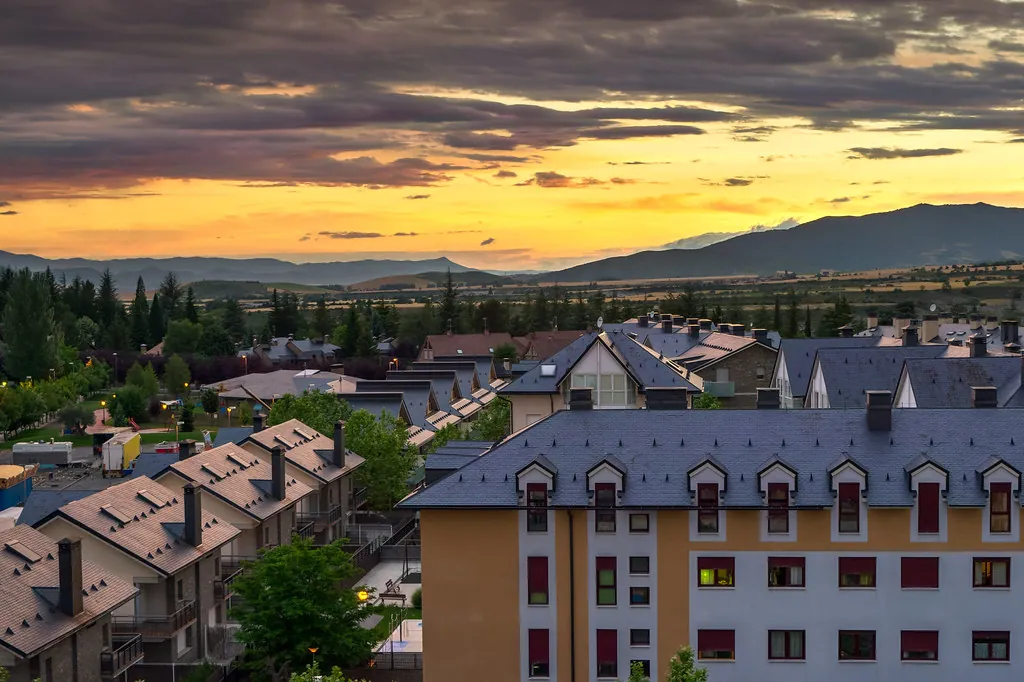
At 230 metres above sea level, the village sits low enough for the Ebro's winter mists to pool thick as wool, yet high enough to avoid all but the worst floods. The difference matters. Drive ten kilometres south-east and the almond groves give way to rice paddies; climb thirty kilometres north-west and you're into proper 1,000-metre sierras where snow closes roads. Pinseque occupies the middle ground—geographically and temperamentally. Frost bites the vegetable plots in January, but by March the first artichokes are fat enough to harvest. Summer temperatures regularly top 38°C; locals close the shutters at noon and re-emerge at 17:00 when the shadows lengthen.
Brick, Brick and More Brick
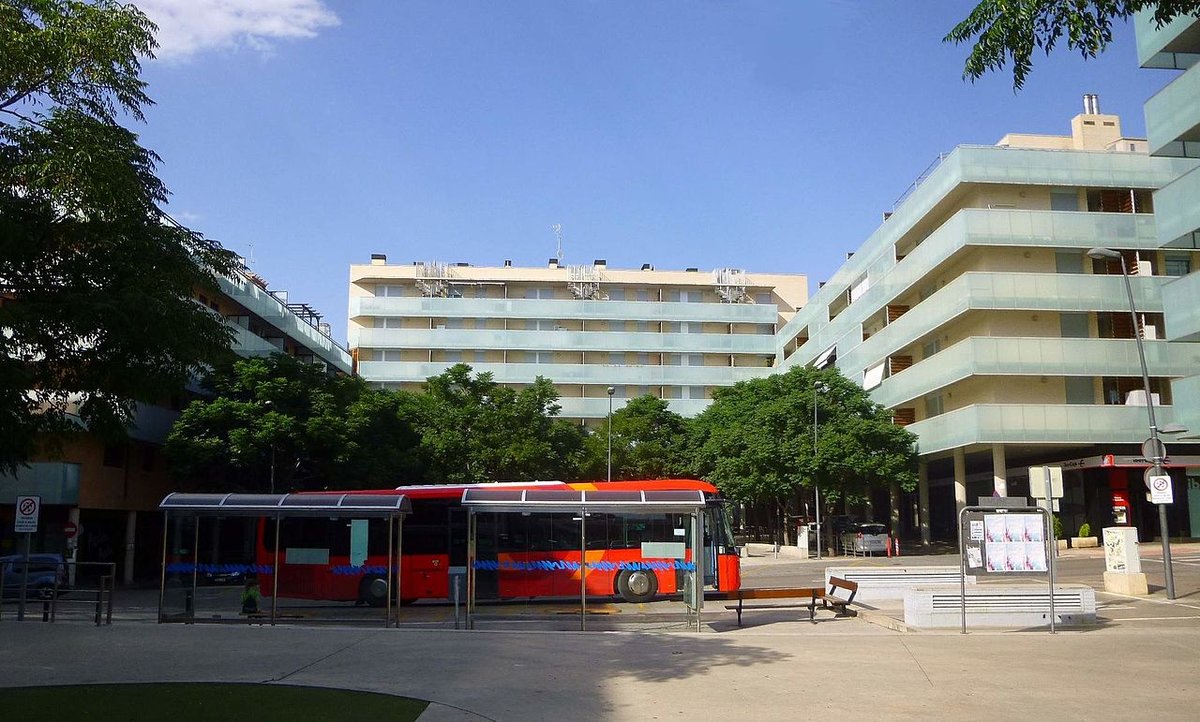
Aragón builds with brick, and Pinseque is no exception. The parish church of San Pedro Apóstolo rises in sober ochre masonry, its tower more functional than pretty, a landmark for drivers on the A-68. Around it spreads a grid of streets named after Republican politicians, Civil War battles and, in one case, a 19th-century agronomist. The architecture tells the story: ground-floor arcades from the 1920s, flat-roofed apartment blocks from the 1970s, brick-and-glass chalets from the early 2000s. Nothing is quaint, yet the place feels lived-in. Washing hangs from wrought-iron balconies, and the bakery on Calle San José still sells bollos de aceite at €1.20 a piece before 10 a.m.
Walk east for ten minutes and the houses thin out. Here the huerta begins—rectangular plots divided by irrigation ditches that date back to Moorish times. The water arrives via a network of acequias managed by a medieval-era tribunal in Zaragoza; farmers still refer to their turn as la tanda and can be fined for taking an extra hour. In April the fields glow emerald with new onions; by late June the melons swell under plastic sheeting that crackles in the breeze. You can follow the dirt lanes for kilometres, flat as billiard tables, ideal for cycling if you don't mind the occasional tractor kicking up dust. OSM maps mark a 14-kilometre loop south to Figueruelas and back; hire bikes at the petrol station on Avenida de Aragón for €15 a day—ask for Kiko, who opens at 06:30 because the punters need their machines before work.
Eating Without the Fanfare
British visitors expecting a medieval plaza mayor lined with tapas bars will be disappointed. Pinseque eats early and pragmatically. The menu at Casa Ramón on Calle Mayor changes daily depending on what the proprietor's cousin brings in from his greenhouse. A plate of roasted piquillo peppers, a bowl of migas studded with longaniza, and a quarter-litre of house red costs €12.50. If the dining room feels like a working-men's club, that's because it is—there's a darts board in the corner and the TV shows Aragón Noticias on loop. Vegetarians get one option: ensalada de la huerta, which at least means the tomatoes were picked that morning.
For something fancier you drive eight kilometres to nearby Villanueva de Gállego, where Rincón de Valentín holds a Michelin Bib Gourmand. Back in Pinseque, pudding is usually frutas de la época—seasonal fruit served in a plastic colander so you can wash it yourself. The waiter will raise an eyebrow if you ask for custard.
When the River Sneaks In
The Ebro itself lies three kilometres south, hidden behind a belt of poplars and reeds. A minor road, unmaintained after heavy rain, leads to a gravel car park where herons pick through the shallows. This is not a romantic promenade—there's no ice-cream kiosk, no rowing boats for hire—just a muddy track that follows an old towpath. Walk west for an hour and you reach the meander of La Alfranca, a nature reserve popular with bird-ringers who will, if approached politely, show you the morning's catch of kingfishers and bee-eaters. Bring wellies between October and March; the river can rise half a metre overnight, turning paths into soup.
Pinsequinos treat the river as a utility, not an ornament. They fish for barbos and bogas with telescopic rods, keeping only what fits in a cool box. Swimming is officially discouraged because of agricultural run-off, yet children still splash in the backwaters every August when the thermometer refuses to drop below 30°C even at midnight.
Fiestas Without the Photogenic Confetti
The big day is 29 June, San Pedro, when the village quadruples in population. The vaquillas—heifers with ribbons tied between their horns—run through temporary fencing while teenagers dare each other to touch a flank. It's a toned-down version of Pamplona's bull-running, sanctioned by regional law and monitored by vets who look bored. By 14:00 everyone's in the bullring for the caldereta, a lamb-and-pepper stew cooked in cauldrons the size of satellite dishes. Visitors are handed a plastic plate and a chunk of bread; donations go to the local football club. British health-and-safety jaws tend to drop at the sight of toddlers darting between bulls, but accidents are rare and the ambulance is parked strategically by the doughnut stand.
Mid-October brings the Fiesta de la Verdura, essentially a harvest lunch stretched over a weekend. Stalls on Avenida de Aragón sell honey, saffron and misshapen vegetables rejected by supermarkets. A cook-off pits neighbouring villages against each other; the winning dish in 2023 was a beetroot-and-chickpea cocido so purple it stained the judges' teeth. Entry is free, tasting tickets cost €1.50 each, and nobody checks ID if you fancy the local garnacha wine at 14% ABV.
Getting There, Staying There
Zaragoza–Delicias high-speed station is 20 minutes away by regional train, which means you can leave London St Pancras at 06:47, change at Paris and Barcelona, and be in Pinseque the same evening. A taxi from the airport (15 km) costs about €35; the bus to Pinseque is €1.55 but only runs hourly and not at all on Sundays. Car hire is sensible if you plan to explore the river tracks—try Goldcar at the airport, remembering that Spanish insurance excesses are eye-watering.
Accommodation is limited. The only listed guesthouse, Pensión Discoves, occupies the first floor above a dental surgery. Rooms are €45–€60, air-conditioned, and open onto a main road that gets busy at dawn. The owner, Mari-Carmen, speaks school English and will lecture you about leaving the shower extractor on. For anything plusher you sleep in Zaragoza and commute. Campsites are non-existent; wild camping by the river earns a €150 fine if the Guardia Civil spot you.
The Honest Verdict
Pinseque will never feature on a postcard rack next to the Alhambra. It lacks the hill-top drama of neighbouring Calatayud, the Renaissance glories of nearby Borja, even the river beach at nearby Fuentes de Ebro. What it offers instead is a functioning slice of Aragonese life where tomatoes still taste of tomatoes and the bar owner remembers your order on the second visit. Come if you're curious about how Spain manages to feed itself, if you like flat cycling lanes more than cathedral spires, or if you need somewhere cheap to stay within striking distance of Zaragoza. Don't come expecting cobbled alleys and flamenco dancers—Pinseque traded those in for irrigation timetables and a half-hour commute long before Brexit was a twinkle in anyone's eye.