Full Article
about Plan
Ocultar artículo Leer artículo completo
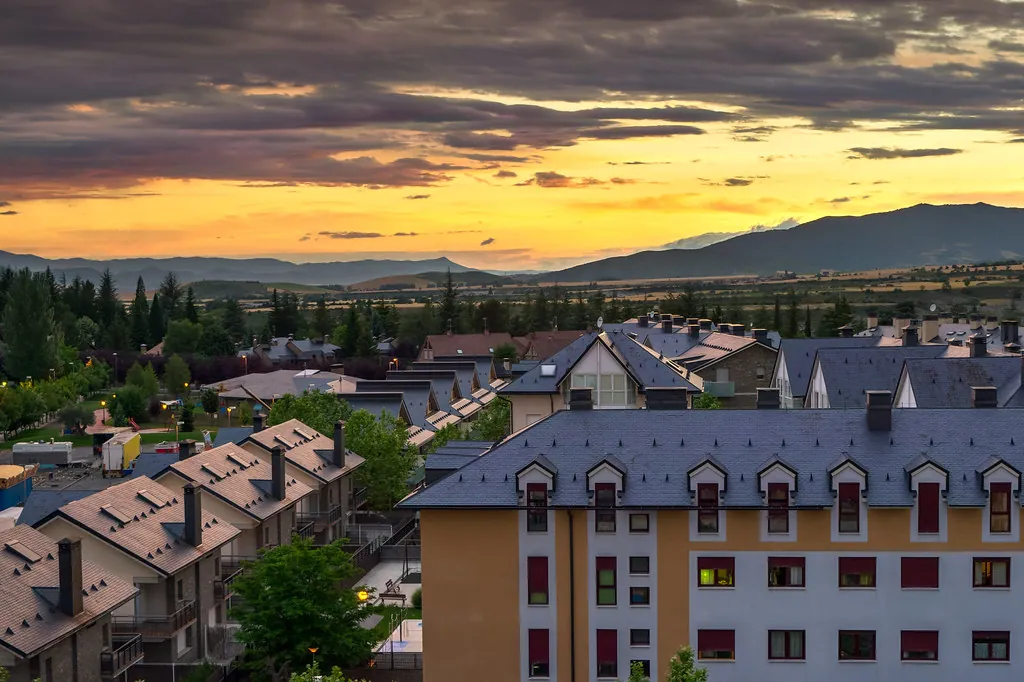
At 1,119 m, the church bell in Plan tolls three minutes late. The sound ricochets between slate roofs and limestone walls until it escapes up-canyon, chasing griffon vultures that drift on thermals above the forested ridge. By then the village’s single petrol lawnmower has already fallen silent; whoever started it is back inside, because the sun has slipped behind the western crest and the temperature drops eight degrees in the time it takes to finish a coffee.
That abrupt swing from warm stone to mountain chill is what defines Plan more than any brochure-ready adjective. The place is a hinge between seasons: south-facing balconies catch apricot light at noon, but five minutes’ walk northwards you’re in black-pine shade where last week’s snow still stripes the path. Visitors who arrive in T-shirts at three o’clock are rummaging for down jackets by seven.
A Grid for Goats, Not Cars
The road in is a 19-kilometre wriggle off the A-138 at Aínsa. Sat-navs lose nerve on the final hairpins; hire-car alloys get a brushing from the kerb. Once inside the village the tarmac narrows to a single lane flagged every twenty metres with a white “P” for prohibido park. Residents angle tiny 4×4 utilities into stone alcoves once meant for mules. Tourists leave engines running while they hunt for the elusive car park—there isn’t one. The safest tactic is to roll down to the concrete ford at the bottom, squeeze against the crag, and hope the stream stays shallow overnight.
From that point everything is measured in minutes on foot. The bakery–grocery opens at nine, shuts at two, reopens at five if the owner has finished walking her dogs. Bread costs €1.30 and is often still warm from a wood-fired oven that looks like a medieval siege engine. Next door, the only bar doubles as the post office; letters are franked between coffee rounds while a Yorkshire terrier sleeps on an upturned crate of San Miguel. English is understood only slowly and with an apologetic smile—download Spanish offline, or point and hope.
Stone That Has Learnt the Weather
No one can accuse Plan of prettification. Houses are roofed with thick slabs of local slate, the same stuff that pokes through the meadows as jagged outcrop. Walls are river stone mortared thicker than a London terrace, then limewashed the colour of sheep’s milk. Wooden balconies—carved by grandfathers who never heard the word “heritage”—face southeast to snatch light in January; in July they throw triangular shadows that keep bedrooms bearable without air-conditioning. Look closer and you’ll see modern drainage pipes hugging ancient corners, satellite dishes tucked behind chimney stacks, an EV charger sprouting from the priest’s garage. The message: people live here year-round, not for your Instagram.
The parish church of San Juan Bautista squats at the top of the only climb longer than thirty metres. Its tower is square, more fortress than campanile, because for centuries the best place to store gunpowder was God’s loft. Inside, a sixteenth-century altarpiece gilded with American gold flares suddenly when someone drops a euro in the timed-light box. The adjoining cemetery tilts towards the abyss; marble portraits of shepherds in Sunday suits stare across the valley they never left.
Walking Into the Echo
Plan’s biggest draw is the track to Ibón de Plan, a glacial lake cupped at 1,930 m beneath the granite cirque of Punta Suelza. The path begins by the football pitch—goalposts welded from scrap oil pipe—and climbs steadily through Scots pine and boxwood. Waymarking is discrete: two horizontal stripes, one yellow, one white, painted on the same boulders marmots use for lookout posts. After ninety minutes the trees shrink to bonsai proportions and the gradient stiffens; lungs notice the altitude faster than legs. In high summer weekend traffic can feel like the M25 of hillwalking—start before eight to share the water mirror only with chamois. The round trip is 6 km, but allow four hours if you stop to photograph every dwarf iris and still be back before afternoon storms boil over the ridge. No café at the top, no ticket desk, just wind and the smell of snow.
Harder options spider out along old muleteer lanes: east to the abandoned hamlet of Buerba, west into the Cañon de Añisclo, north to the frontier ridge where smugglers once swapped tobacco for French chocolate. Ordnance-Spain maps (1:25,000, purple cover) are sold at the bakery for €9; they’re waterproof, which matters when clouds drag across the crest like wet cotton.
Calories You Have to Earn
Evening calories arrive in the form of chiretas, Aragon’s answer to haggis: rice, minced lamb offal and mint stuffed into caul fat, poached then pan-seared until the skin crackles. First-timers wary of “morro” (snout) can ask for solomillo instead; the chef at Casa Sarvise will grill a pork loin without looking offended. Migas—fried breadcrumbs laced with chorizo and grapes—appear at Sunday lunch accompanied by a fried egg the size of a saucer. The local sheep cheese starts mild, grows barnyardy with age; order semicurado if you prefer Cheddar to Camembert. Wine comes from Somontano, forty kilometres south, and tastes of garnacha and slate. A three-course menú del día hovers around €16; dinner à la carte pushes €30 with wine. Kitchens shut 4–8 pm—don’t roll up at five expecting anything stronger than coffee.
When the Valley Closes Its Mouth
Winter reclaims Plan with spectacular efficiency. Daylight shrinks to eight hours, the sun never climbs above Tella’s ridge, and thermometer columns spend weeks below zero. The road is gritted but not religiously; if the tramontana dumps half a metre the village becomes a cul-de-sac until a bright-orange tractor clears a single lane. That’s the season for snowshoes, for tracking wolf prints along the river flats, for bars where every table is within radiant reach of the wood stove. Accommodation drops to half price; some landlords even offer monthly rates to anyone brave enough to home-office on 4G that flickers between one bar and none. Pack chains, a thermos, and a paperback you don’t mind finishing.
Getting Here, Getting Out
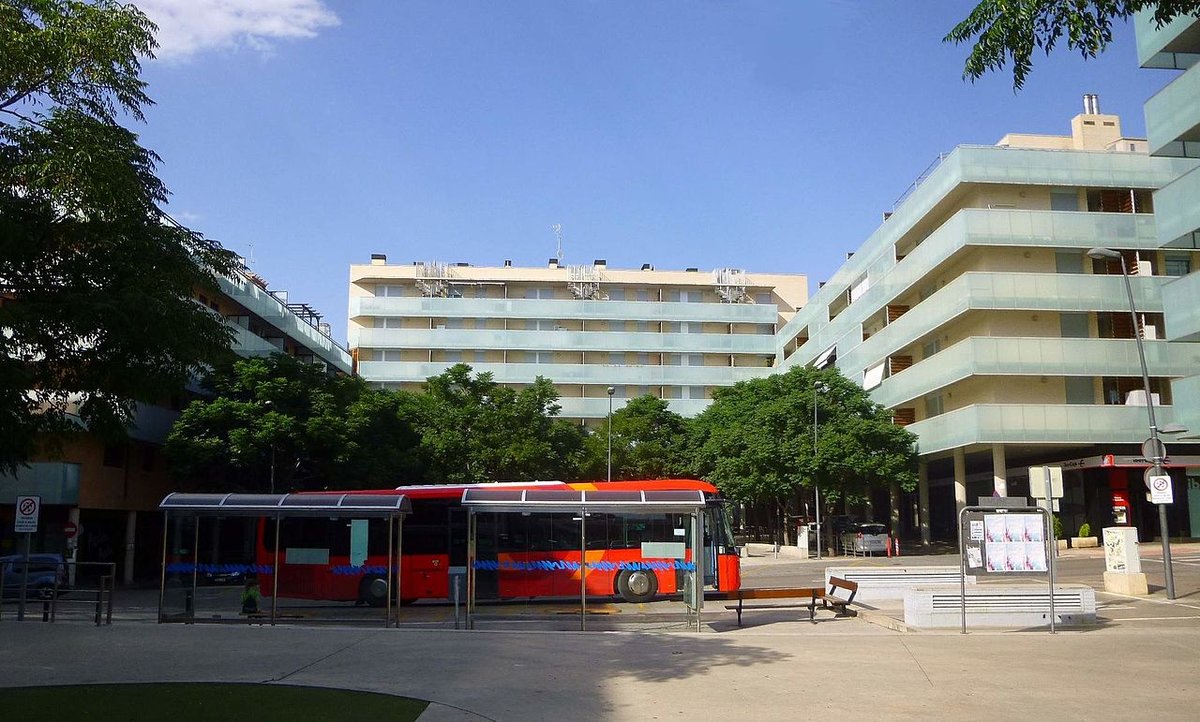
The nearest cash machine is 17 km away in Aínsa—bring euros. Ryanair flies Stansted to Zaragoza in under two hours; from the airport it’s 135 km of fast A-road followed by the aforementioned wriggle. Petrol is cheaper at the supermarket outside Huesca than on the mountain. There is no bus on Sundays, one on weekdays, none if the driver rings in sick. Mobile coverage is patchy; Vodafone works better than EE roaming. Download the 1:50,000 Aragonese hiking app before you leave Wi-Fi behind.
Leave time for the drive out. Halfway down, pull into the mirador above the confluence of the Ara and Cinca rivers. From the platform you can look back at the entire cirque you just slept inside. The village is invisible—just a dark notch in a wall of limestone—but the bell still carries on clear air, three minutes late, counting down to winter.