Full Article
about Pleitas
Ocultar artículo Leer artículo completo
The church bell strikes noon, and for a moment the only sound across Pleitas is a tractor rumbling through wheat stubble. Thirty-eight souls live here, spread among adobe houses whose walls have turned the colour of burnt honey through decades of sun. This isn't a village that announces itself—it's one you discover by accident while following the Ebro's lazy curves through Zaragoza province.
The Arithmetic of Smallness
Pleitas measures 258 metres above sea level, but its real significance lies in horizontal space. The main street runs exactly 400 metres from the church steps to the last farmhouse before fields swallow everything. Walking the entire settlement takes twelve minutes if you dawdle. The maths works differently here: fewer residents means more space for silence, and the agricultural calendar dictates rhythms that no smartphone can override.
The houses speak of practicality rather than prettiness. Adobe walls two feet thick keep interiors cool during summers that regularly touch 35°C, while terracotta tiles have weathered to lichen-spotted sepia. Stone thresholds dip in the centre where generations have scraped muddy boots. These aren't museum pieces—someone's grandmother still hangs washing between wooden balconies, and the smell of woodsmoke drifts from chimneys even in June.
Fields That Remember
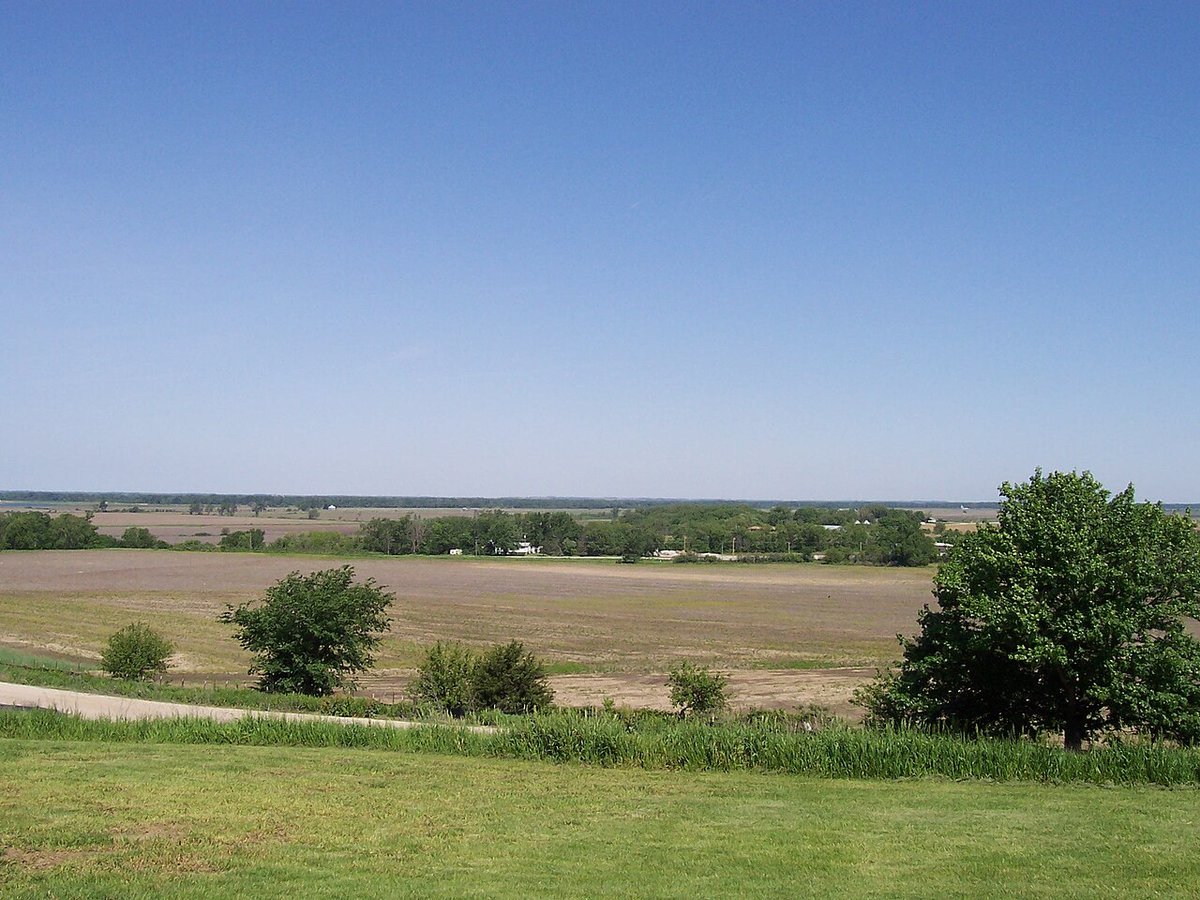
Surrounding Pleitas, cereal crops create a patchwork that shifts from emerald in April to gold by July. The land lies flat here, part of the Ribera Alta's floodplain, meaning walks require minimal effort but maximum sunscreen. Local farmers grow wheat and barley in rotation, plus irrigated vegetables closer to the village core. Footpaths—really just tractor tracks widened by centuries of use—radiate outward for two kilometres in each direction before connecting with the next hamlet.
Birdwatchers should bring binoculars: crested larks flick between furrows, and you'll spot hoopoes probing for insects with their curved bills. The best light comes at day's bookends, when long shadows stretch across the fields and adobe walls glow like embers. Photographers arrive hoping for drama, but Pleitas offers something subtler: the beauty of ordinary things done well for centuries.
What Passes for Entertainment
The parish church of San Pedro occupies the highest point—not difficult in terrain this flat—and its modest baroque facade conceals an interior refreshed in 2018 after locals raised €23,000 through cake sales and a raffle for a ham. Sunday mass at 11am draws twelve worshippers on a good week; feast days swell numbers to forty when emigrants return from Zaragoza or Barcelona.
Beyond the church, activities require self-direction. The bakery closed in 2003, so bring supplies. A bench beside the war memorial—three names from the Civil War, one from Afghanistan—provides front-row seats for watching agricultural life. At 6pm, tractors return from fields, their headlights carving yellow tunnels through grain dust. Swallows dive and swoop, feeding on insects stirred by combines.
Walking options follow the GR-99 long-distance path, which passes two kilometres south. This Ebro River route stretches 120 kilometres from Fontibre to the Mediterranean, but locally it offers flat circuits of 5-8 kilometres through fig orchards and past abandoned rice paddies. Sturdy shoes suffice; the altitude gain measures mere metres.
The Calendar That Matters
Visit during spring sowing or autumn harvest and you'll witness actual village life. In mid-May, locals transplant tomato seedlings under plastic tunnels that glint like serpents in morning dew. October brings the smell of grapes fermenting in someone's garage—small-scale wine production continues for household consumption rather than commerce.
Summer fiestas erupt around 15 August, when population temporarily quadruples. The weekend starts with a Saturday evening paella cooked over vine cuttings; everyone brings chairs and tables appear from nowhere. Sunday's procession leaves the church at 7am, led by a brass band that learned their instruments in the village school before it closed. By Tuesday lunchtime, Pleitas has emptied again, leaving only the hardcore thirty-eight.
Winter strips everything back. Mist rises from the Ebro, twenty kilometres distant, and temperatures drop to -5°C at night. The fields turn battleship grey; even the sparrows seem subdued. This is when you understand the village's real endurance test—not attracting visitors, but retaining residents when the nearest supermarket requires a twenty-minute drive.
Practicalities Without the Brochure Nonsense
Accommodation doesn't exist within Pleitas itself. The closest options lie in Alagón, 18 kilometres east, where the Hotel Monasterio de Piedra provides four-star comfort from €85 nightly. More realistic is staying in Zaragoza—40 minutes by car—and tackling Pleitas as a day trip combined with nearby villages like Luceni or Sobradiel.
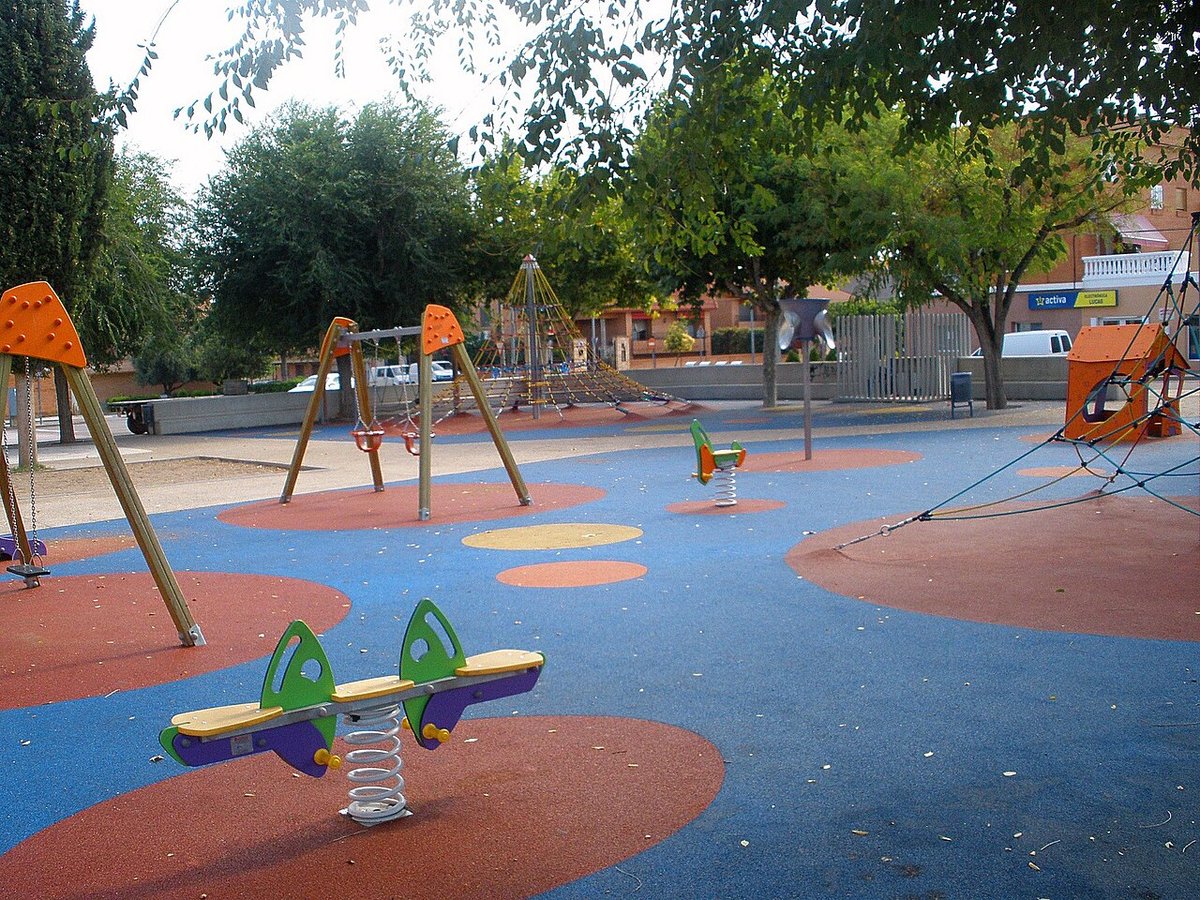
Driving remains essential. Public transport reaches Alagón hourly from Zaragoza's Estación Delicias, but buses to Pleitas ceased in 2011. Hire cars from the airport cost around £35 daily; roads are excellent but watch for tractors emerging from field entrances. The village square offers free parking beside a children's playground that sees action perhaps twice monthly.
Bring everything: water, snacks, sunhat, and realistic expectations. The single bar closed during lockdown and never reopened. Mobile reception flickers between 3G and nothing depending on cloud cover. What you get instead is an unfiltered glimpse of rural Spain refusing to die—where neighbours still share olive oil presses and the baker's van arrives Tuesdays and Fridays, its tannoy playing the same tinny melody heard since 1987.
Pleitas won't change your life. It might, however, recalibrate your sense of scale. In a country where villages hemorrhage population daily, this tiny settlement endures through stubbornness rather than strategy. The wheat grows, the bell tolls, and somewhere a tractor coughs into life. That's the whole story—no more, no less—and for some visitors, that's exactly enough.